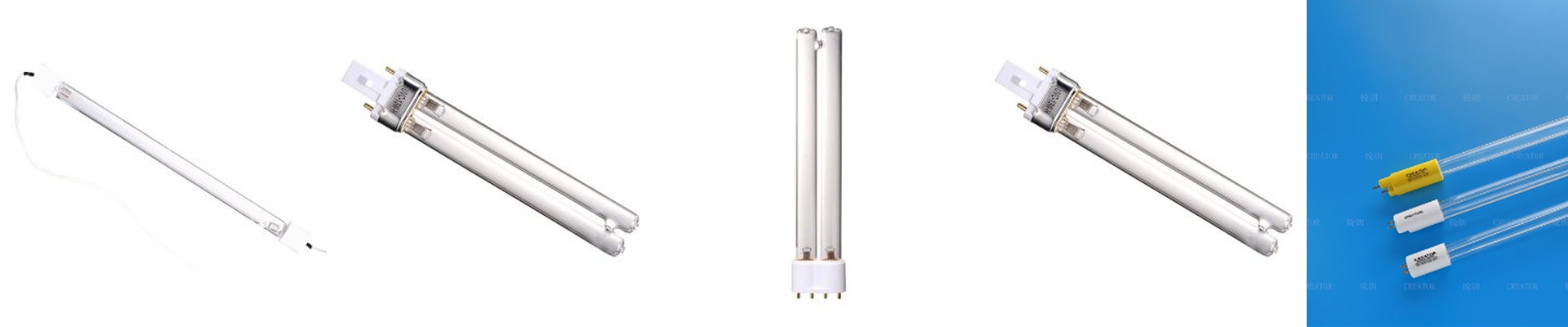
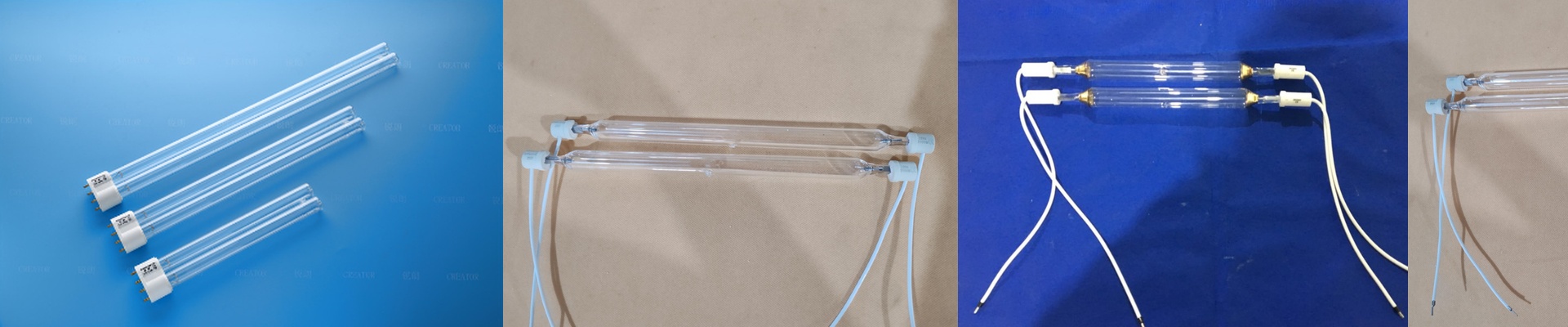
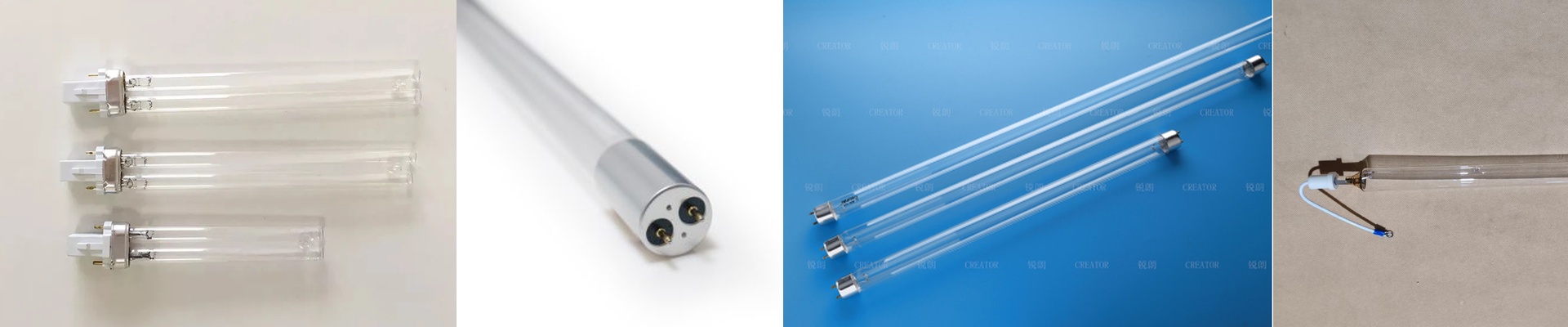
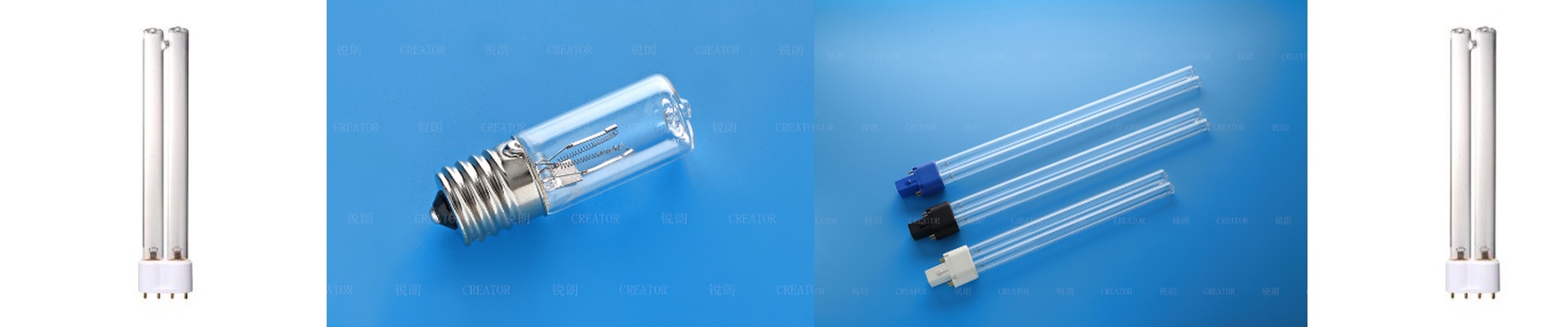
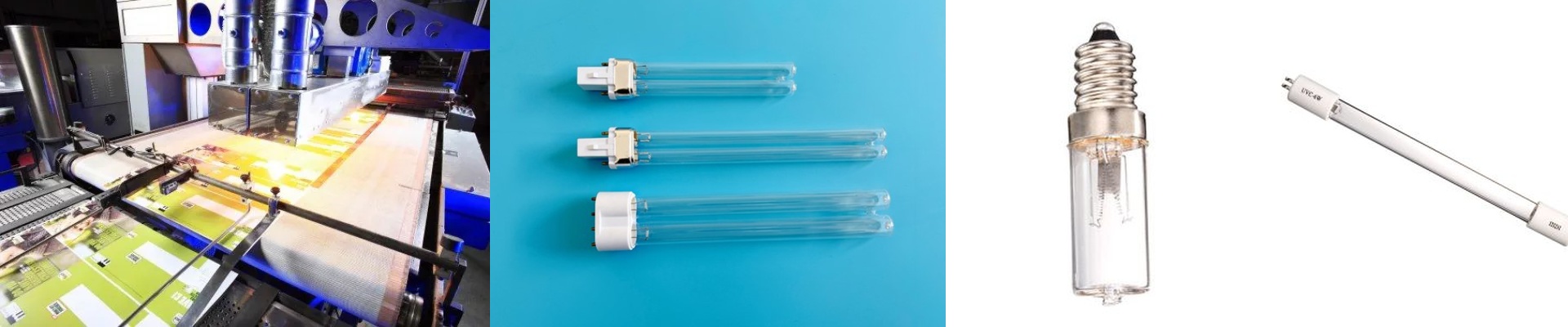
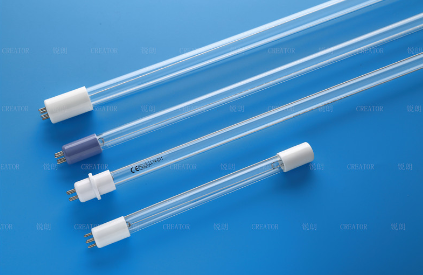
On an automotive parts line, the window for powder cure is brutal. Under-cure and you lose solvent resistance. Over-cure, and you’re wasting energy and risking yellowing on the more sensitive substrates. Hybrid infrared plus UV gives you repeatable control where a conventional oven just can’t keep up. What matters under the hood We run NIR emitters tuned for a fast thermal ramp, paired with UV lamps built for stable spectral output. You get peak irradiance up to 12 W/cm² on the 365 nm mercury line, with a tight spectral width and dichroic reflectors that keep the energy where it needs to be—on the substrate. The system lands 1,000–3,000 mJ/cm² on the powder surface, enough to kick the photoinitiators and finish cross-linking in seconds. NIR handles the bulk heating to drop viscosity and get the powder to wet out; then UV locks the surface cure. Over the lamp’s 5,000-hour life, output holds within ±3%, measured with a spectral radiometer right at the focal plane. Why this combination fits automotive Automotive parts are a mix of metals, composites, and engineered plastics—stuff that heats unevenly. IR-UV heats the mass first, then cures the top without scorching the delicate areas. Cycle times drop 30–50% compared to convection ovens, and you can run line speeds around 20–30 m/min while keeping surface hardness consistent. Energy use is lower because UV cure is instant and NIR is directional—no point heating the whole chamber. The payoff: fewer rejects, lower energy cost, and a stable cure profile across mixed parts. Here are the practical details Hybrid integration comes down to alignment and thermal management. The UV lamp housing needs water cooling to keep junction temperature under 80°C, and reflector geometry requires a 200–300 mm working distance for uniformity. Make sure your powder’s photoinitiator absorption lines up with that 365 nm peak; if you’re tuned for 385–405 nm, you’ll need a different lamp selection. Plan for ozone-free operation with quartz envelopes and proper venting. And confirm your conveyor and robotic handling can keep up—this setup needs synchronized throughput to hit the reduced dwell times.