Introduction
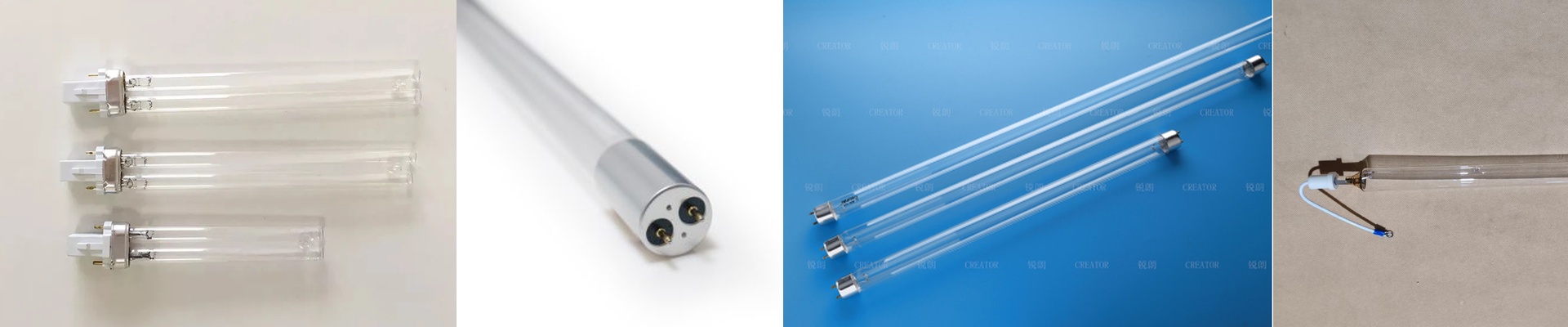
Here’s the reality of industrial work: when a lamp goes, the whole line can feel like it’s on hold. We built this 222nm far-UVC lamp to stop that panic. It’s a direct-drop heat source, made for the equipment where uptime isn’t a luxury—it’s the whole point. The idea is dead simple. When a lamp burns out, you swap it and get back to work. No rewiring. No hunting for adapter plates. No downtime.
The Inside Story
Far-UVC needs steady electrical control and predictable heat behavior. So we built this lamp to run within a tight voltage and power range. That keeps the arc consistent, even when you’re starting and stopping again and again. We also matched the tube length and footprint to the mounting bays you already know. So you can spec a replacement without rethinking the chamber or the reflector setup. And the light? It’s tuned to 222nm. That wavelength hits germs hard while pulling back on the usual far-UV risks. This isn’t about cranking the power as high as it can go. It’s about delivering a controlled dose—enough to meet hygiene targets, without pushing the system so hard that parts burn out early.
What It’s Made Of
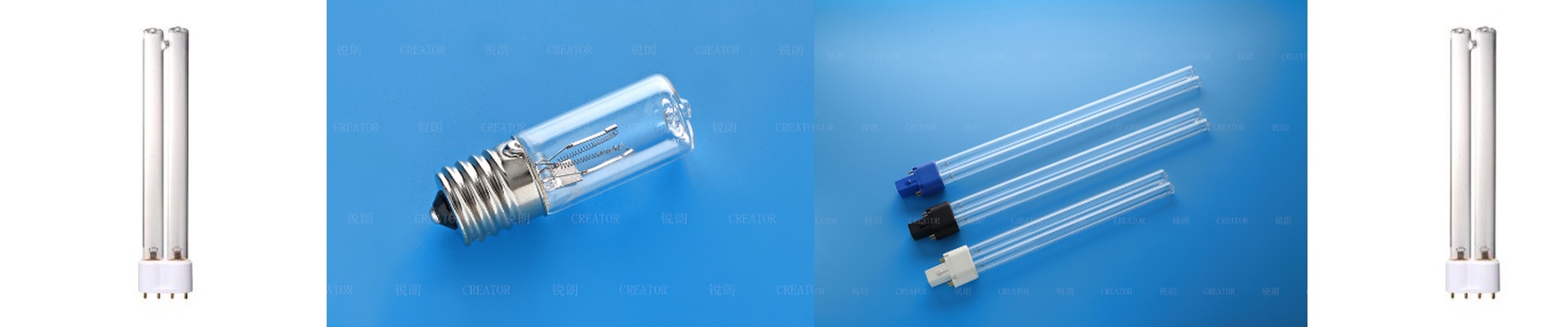
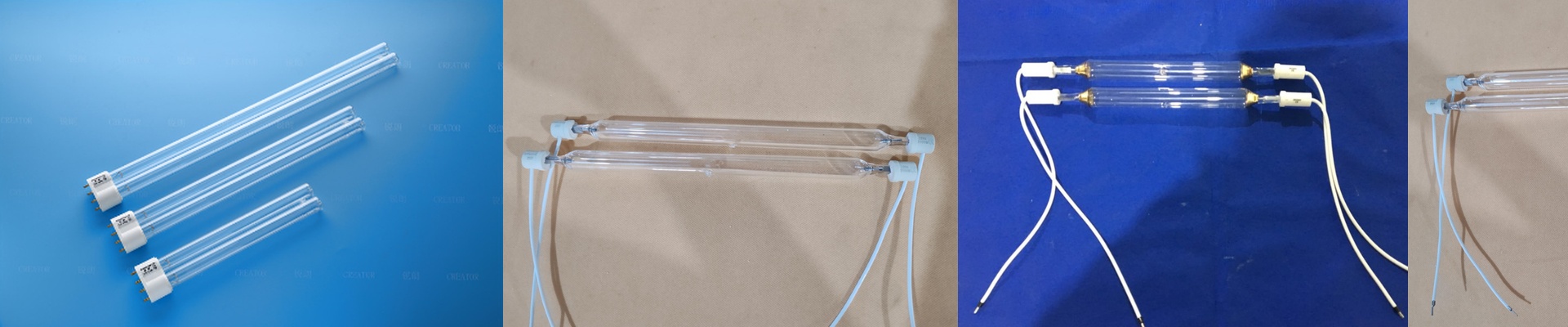
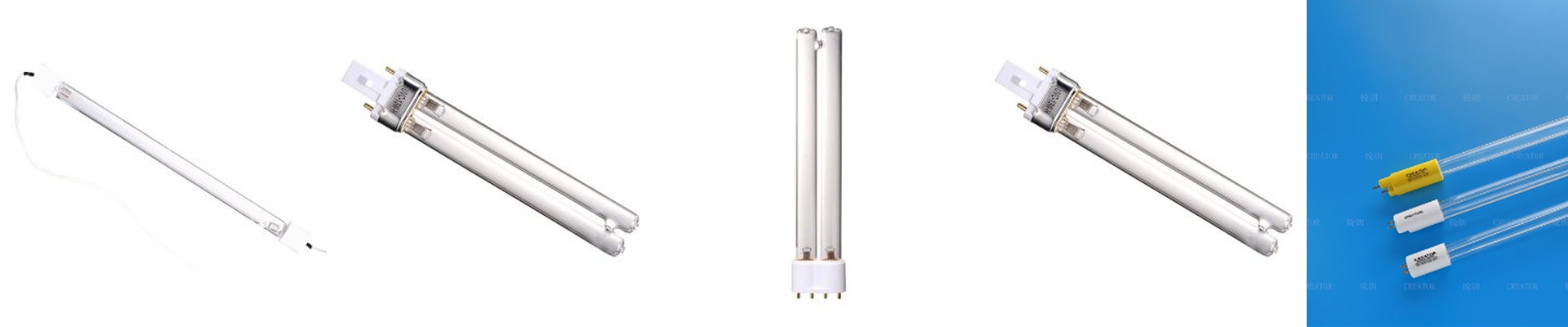
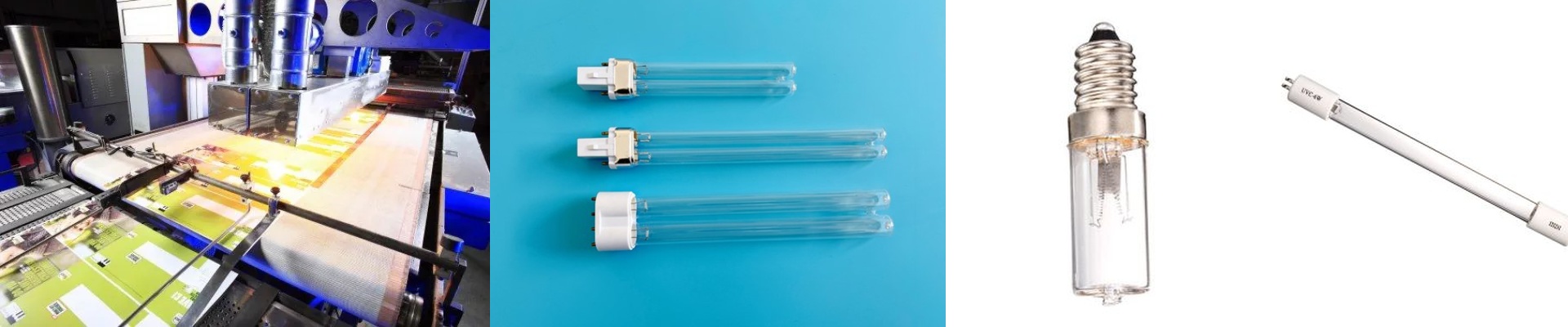
The lamp uses a quartz envelope and a proprietary coating designed to keep UV transmission stable at that exact wavelength. That coating helps hold output steady over time, even when the environment keeps heating up and cooling down. But the real win is how it connects. We offer multiple connector styles, including spiral and plug-in options, so the lamp drops straight into the print and processing heads you already have. That means no more wasted engineering hours on custom brackets or messy cable routing. One thing to keep in mind: higher power density means faster thermal recovery, but it also means more heat on the surrounding assembly. Make sure your machine’s cooling and airflow are set up to handle it.
What This Means for You
On the floor, this is about keeping things moving. Because the interface is compatible, maintenance can swap a lamp in minutes, not hours. And since output stays predictable, your process settings don’t shift every time you change a lamp. For you, that means fewer delays during changeovers, less time spent on maintenance, and germicidal performance you can count on—without overhauling the whole line.