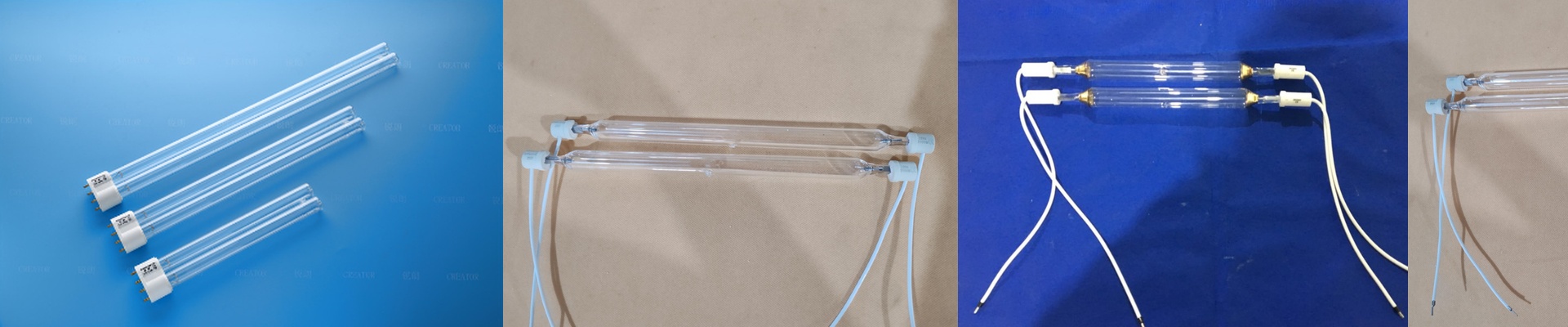
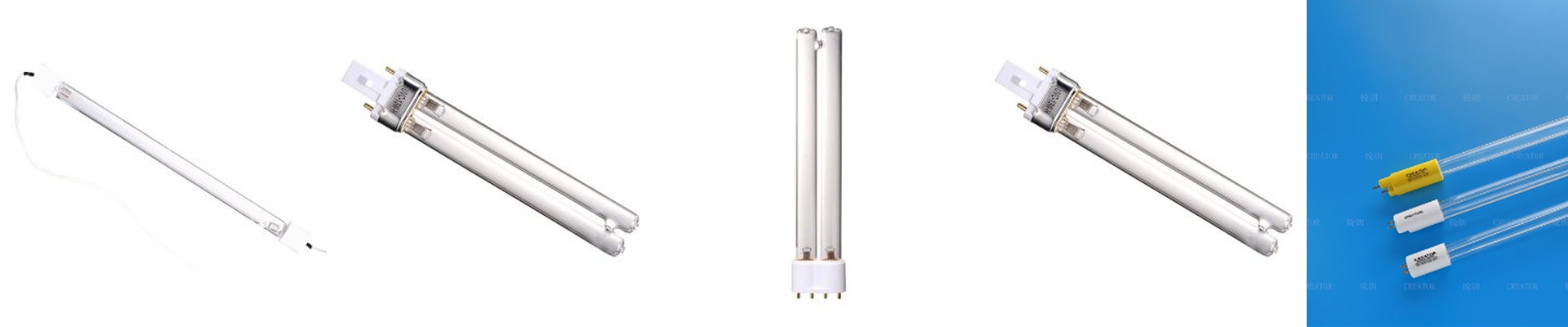
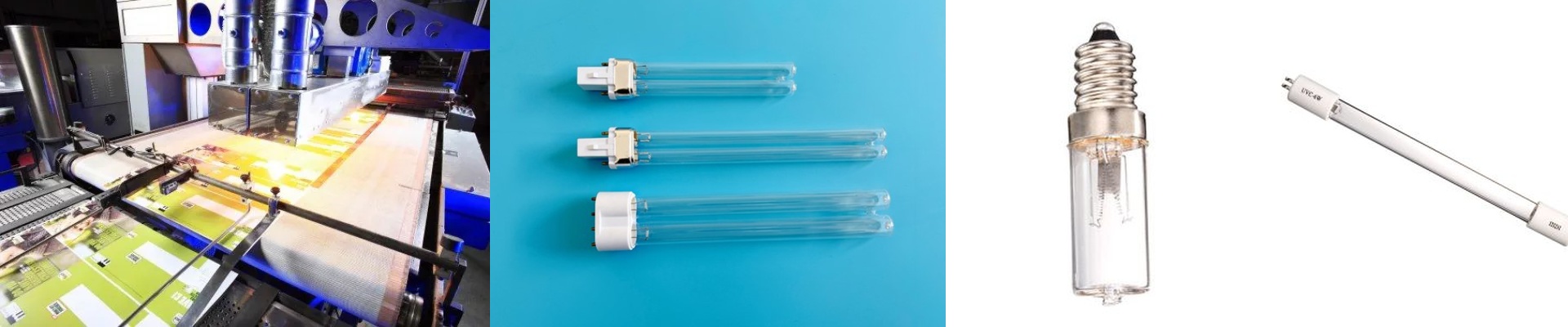
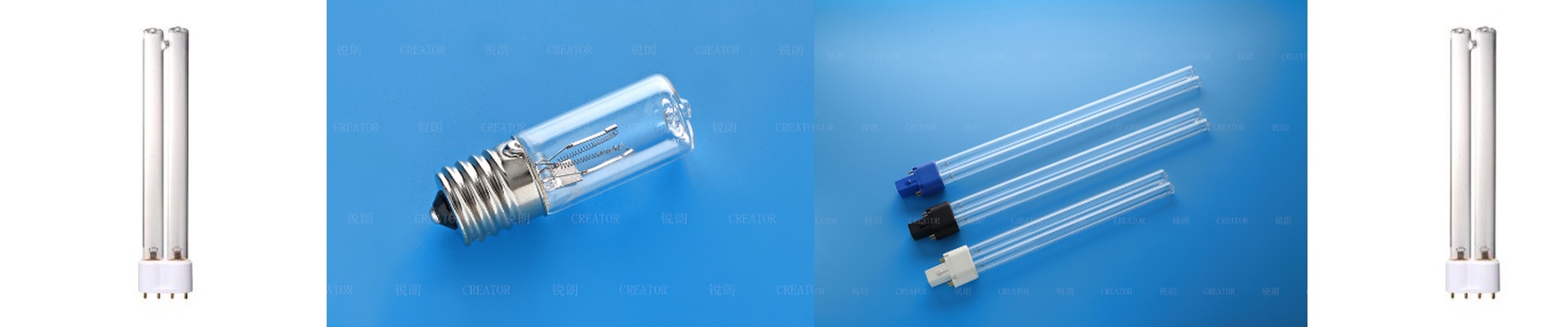
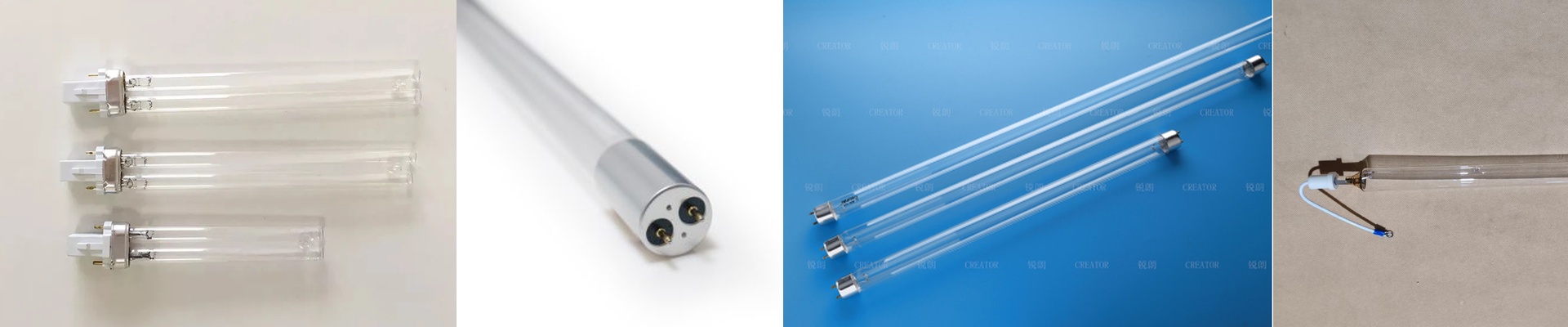
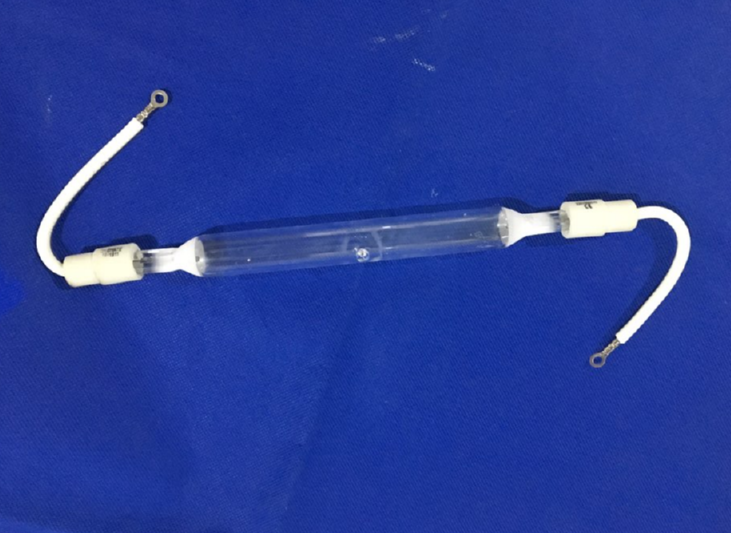
On the press floor, conventional heat dries ink in a way that just doesn’t cut it. The pile stays tacky, and queue time balloons for no real reason. What you need is photon energy, not more thermal load. We built a gallium halide lamp system to deliver controlled spectral output that kicks off photopolymer cross-linking at line speed. What matters, technically Gallium halide chemistry pushes the UVA output toward 385–405 nm, with stable peak irradiance of 1,200–1,600 mW/cm² across a 10 mm arc width. The quartz envelope is doped to knock down short-wavelength spikes and keep ozone down. A dichroic reflector focuses more than 85% of the generated energy onto the substrate, keeping the spectral balance intact. Output stays flat through 5,000+ hours, with less than 5% drop at the set dose. We talk dose in mJ/cm², not temperature. Why it works in UV offset, flexo, and screen In these processes, the ink film is thin and the window for curing is tight. Gallium halide spectra line up with photoinitiator absorption in pigmented systems, so you cure through the color without scorching the surface. The payoff: tack-free passes at 150–300 m/min, consistent surface energy, and fewer rejects. Energy draw comes down compared to broadband mercury, and you change lamps less often. You get uptime and repeatable print quality. A few shop-floor notes These lamps are ozone-free, but you still need proper cooling. Match the lamp to the reflector geometry and the cure module’s shutter interlock. Check power supply ripple, ignition voltage, and connector termination against the lamp datasheet. Expect a warm-up before spectral stability settles in, so plan job changeovers with that in mind.