UV Curing: The Maintenance Factor You Can’t Ignore
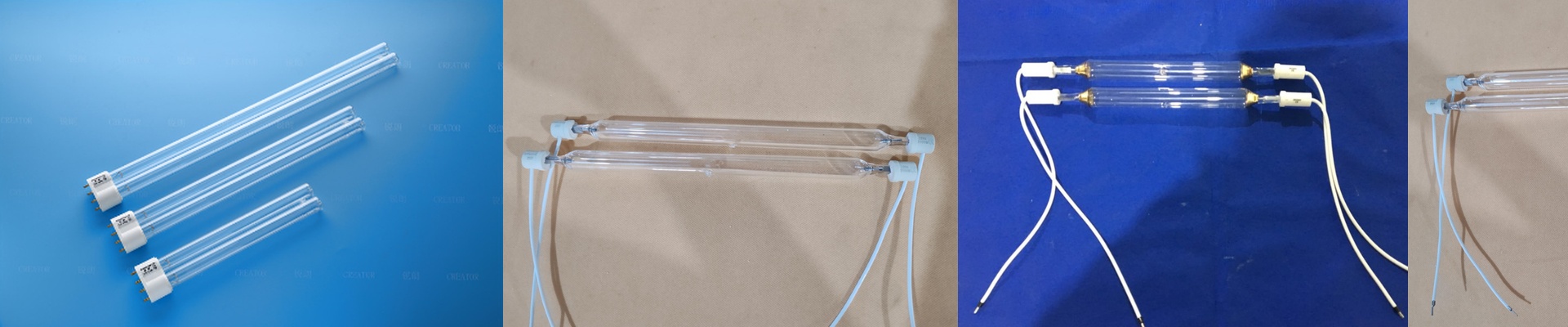
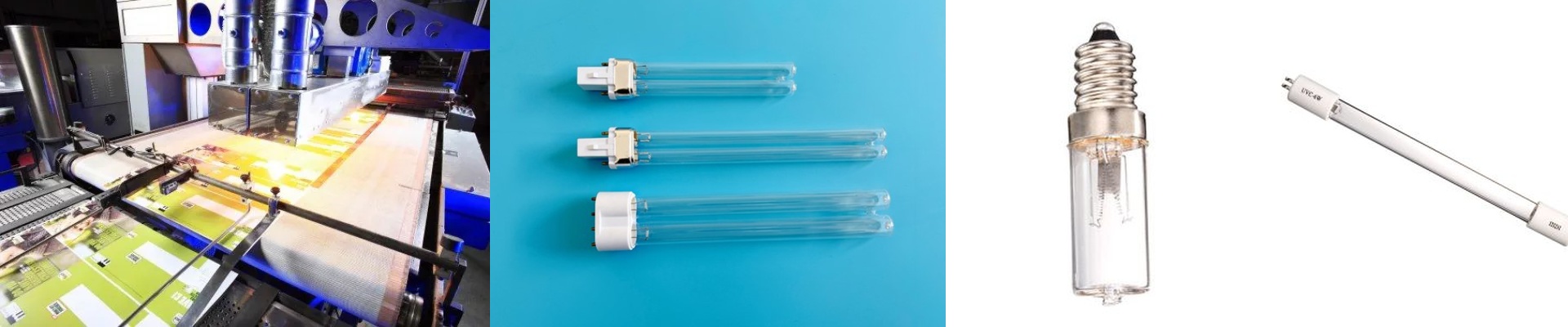
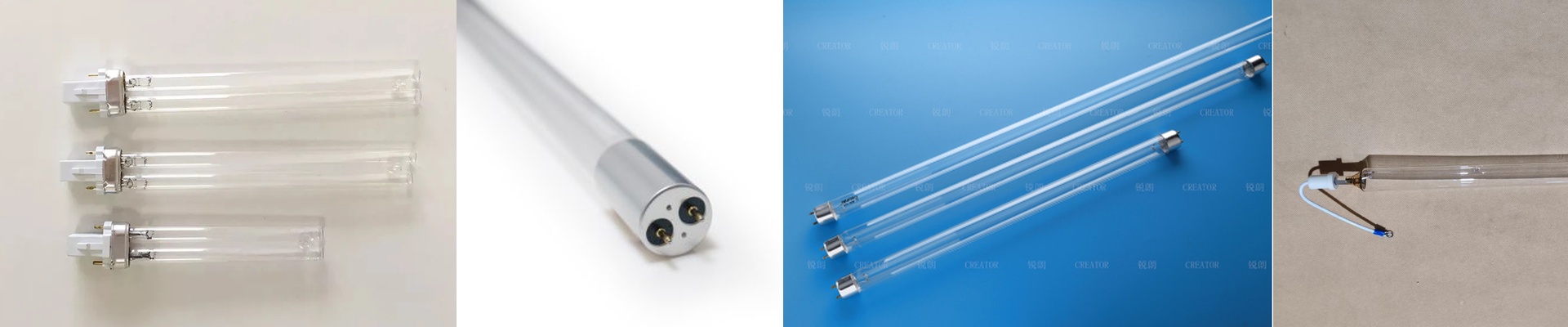
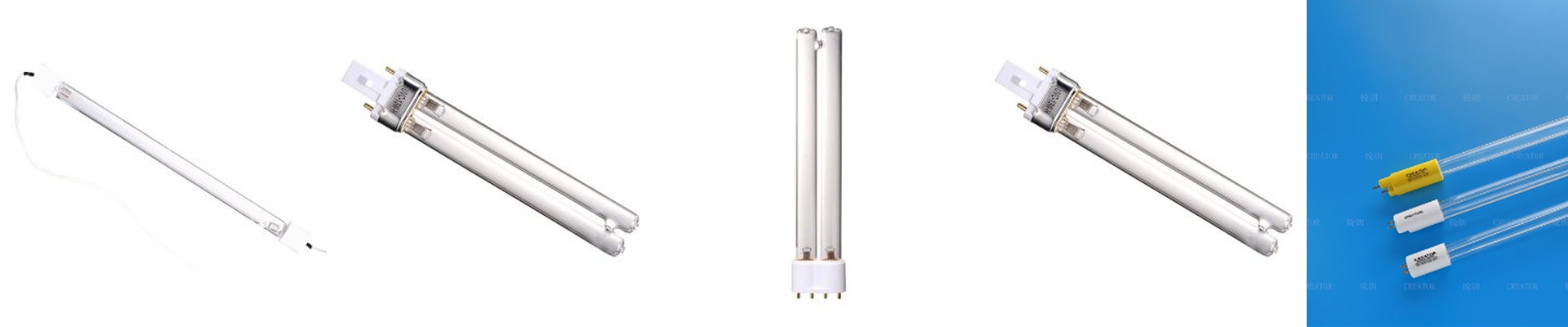
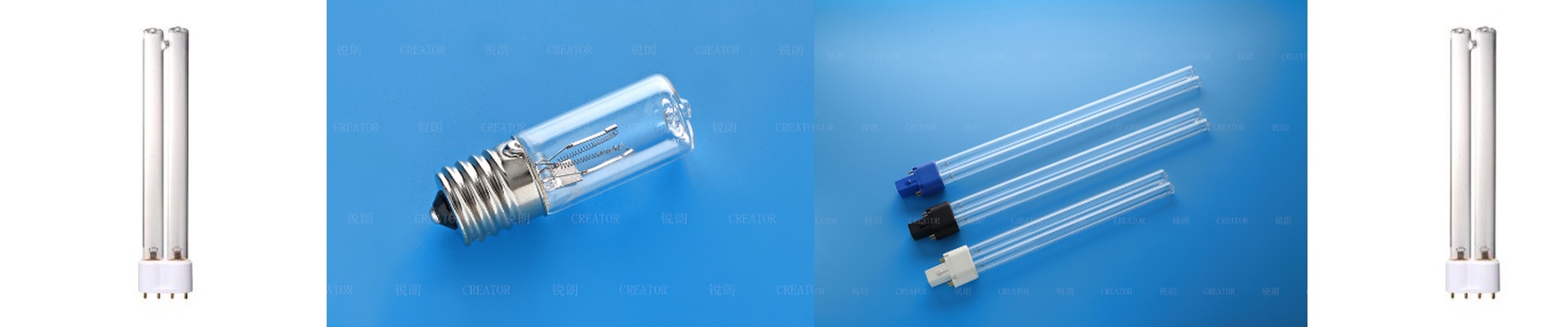
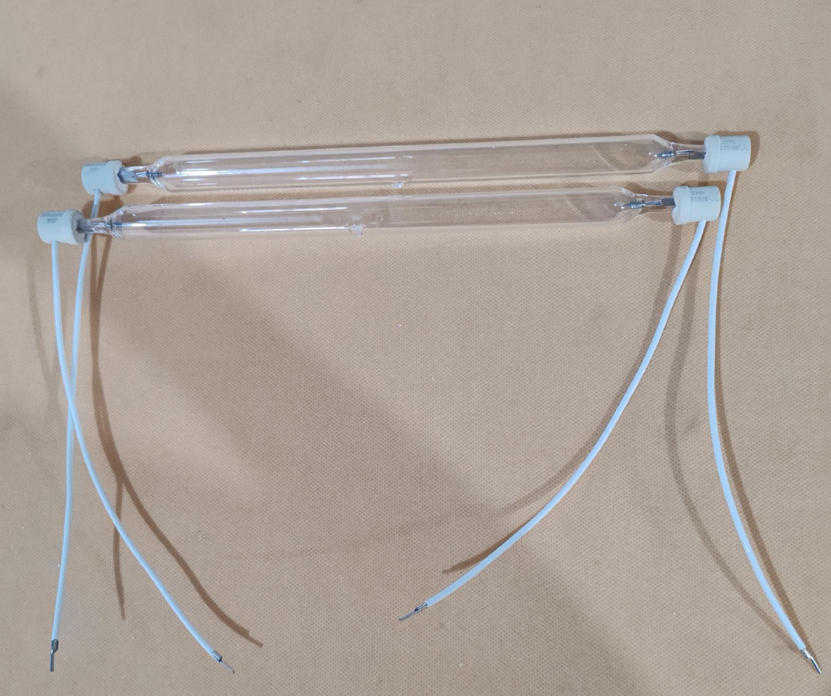
We hear this all the time: shortwave UV or LED UV? Honestly? It comes down to how fast your line runs and how much downtime you can stomach. Shortwave lamps are pure muscle. They blast through thick ink in seconds. But they fade. That UV output maintenance factor? That’s the real dealbreaker. It tracks how much punch is left after hours of use. With shortwave, you’re looking at a 20-30% drop after 800-1000 hours. So you set your dose, then you keep tweaking it as the lamp ages. LED is a different beast. It holds its intensity steady, but the power density just isn’t as high. For thin, fast jobs, LED is perfect. But when you’re laying down thick layers, shortwave still takes the crown.
Power, Heat, and the Real-World Trade-offs
Shortwave UV runs hot. We’re talking serious watt-density—often 200-300 watts per inch—to get the photon flux you need for deep curing. That heat helps, but it also limits you. You need heavy-duty cooling and a system that can handle it. LED, on the other hand, runs cool. That makes the machine design simpler. But LEDs have a narrower light spectrum. They’re great for surface curing, but they choke on thick, pigmented inks unless you stack more emitters. And with LED, you need a rock-solid drive current and solid heatsinking to avoid that thermal droop. Shortwave systems are straightforward to wire and swap out, but they demand reflectors, shutters, and constant airflow. LED modules are more complex upfront, but once they’re dialed in, they just hold their output.
What This Looks Like on the Floor
In textile screen printing, you’re curing plastisol, silicone, and those heavy base layers. Shortwave UV gives you that deep penetration. It cures the bottom and the top at the same time. LED gives you control and consistency. It’s ideal for fine details, thin coats, and substrates that can’t take the heat. Here’s the trade-off, plain and simple. If your process can handle the heat and you need that depth, shortwave is your workhorse. If uptime and repeatability are what you crave, LED is the lean, mean option. Just remember to plan for lamp aging. Budget time for cleaning reflectors. Make sure your cooling is up to the task. Choose the light source that fits your ink, your speed, and how much maintenance you’re willing to do.