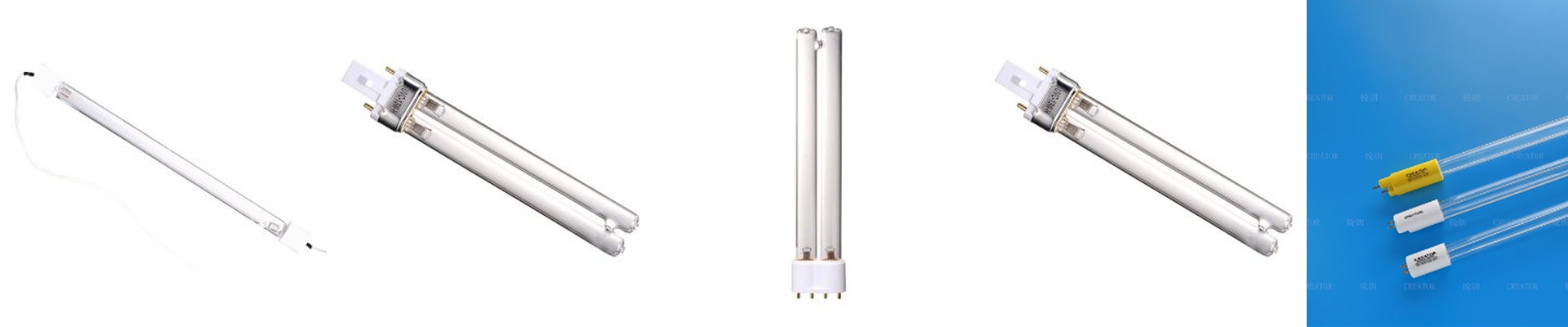
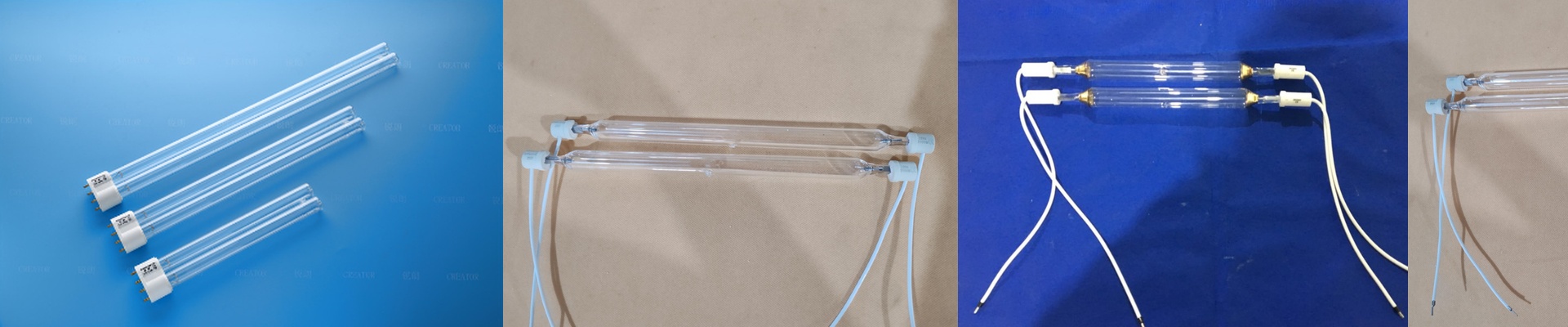
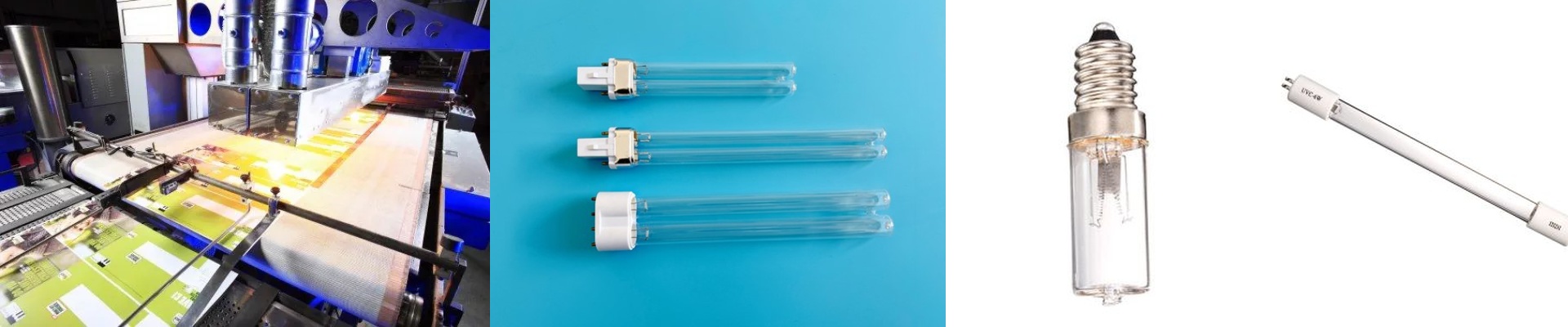
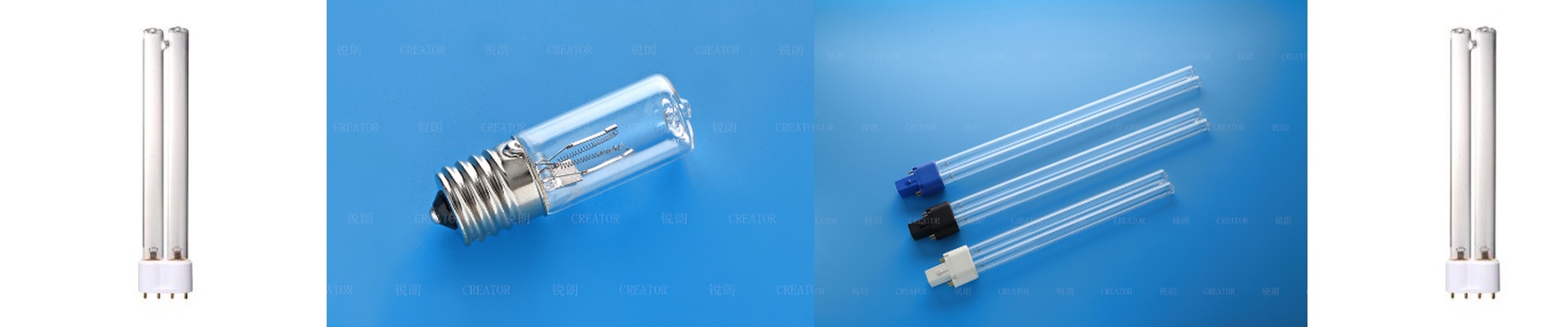
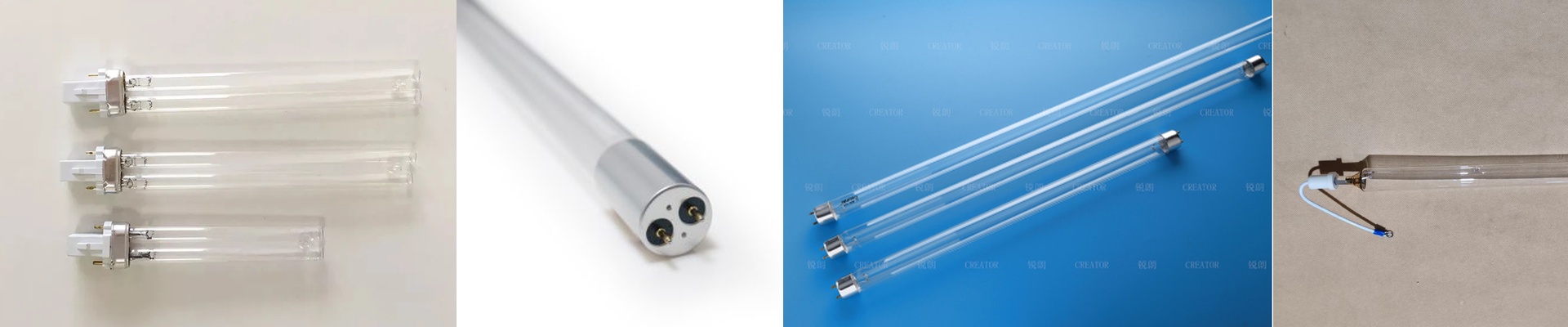
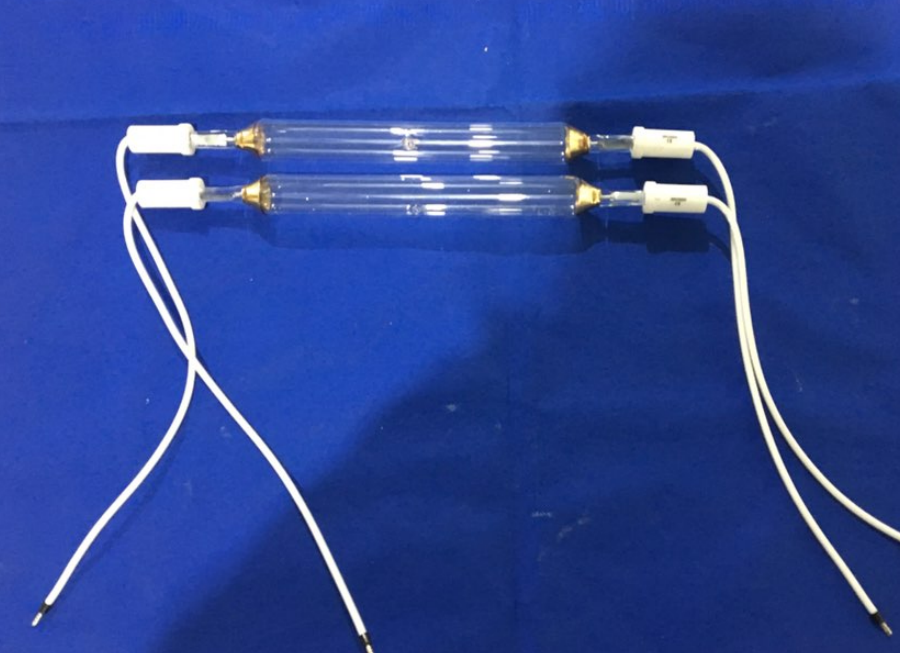
Step into any home where cleanliness is non-negotiable, and the question comes up fast: how do we kill germs on surfaces without chemicals, quickly and without guesswork? It all comes down to nailing the UVC lamp output. Too little power, and pathogens survive. Too much, and you’re wasting energy and burning out the lamp early. Here’s a straight-to-the-point rundown that lines up lamp output with the space you’re treating and the exposure protocol you’re running. 清潔が絶対条件となる住宅環境に入ると、すぐに出てくる疑問があります。化学薬品を使わずに、迅速かつ確実に表面の細菌をどう殺菌するかという点です。鍵となるのはUVCランプの出力を正確に把握することです。出力が不足すれば病原体は生存し、過剰であればエネルギーの無駄遣いとなり、ランプの寿命を早期に縮めてしまいます。以下に、処理対象空間と照射プロトコルに応じたランプ出力の具体的な指標を示します。
What actually matters on the technical side UVC germicidal action peaks around 254nm, right where DNA and RNA absorb hardest. Output isn’t just about wattage—it’s irradiance at the target plane, measured in mW/cm², and cumulative dose in mJ/cm². A typical 15W low-pressure mercury lamp will give you roughly 45–60 mW/cm² at 1 cm, which translates to 30–40 mJ/cm² over 60 seconds. That’s enough to knock out common bacteria and viruses on small items. 技術的に重要なのは以下の点です。UVCの殺菌効果は254nm付近にピークがあり、これはDNAおよびRNAが最も強く吸収する波長に一致します。出力は単なるワット数ではなく、照射面での照度(mW/cm²)および累積線量(mJ/cm²)が指標となります。一般的な15W低圧水銀ランプは、1cm距離で約45〜60 mW/cm²の照度を供給し、60秒照射で30〜40 mJ/cm²の累積線量となります。これは小物の表面に付着した一般的な細菌やウイルスの不活化に十分なレベルです。
For room-scale disinfection, you need uniform coverage. Use the inverse-square law to map irradiance at the farthest surface. If you need 20 mJ/cm² at 2 m, the lamp has to deliver about 160 mW/cm² at 1 m. Pick a lamp rated for that irradiance, with a stable arc, an ozone-free quartz envelope, and a defined lamp life curve. Plan on 8,000–9,000 hours to reach 70% output. 室内全体の消毒では、均一な照射が必要です。逆二乗則を用いて、最遠面での照度を算出します。例えば2m離れた位置で20 mJ/cm²の線量が必要な場合、1m地点で約160 mW/cm²の照度を供給できるランプを選定してください。安定したアーク放電、オゾン発生なしの石英封入体、明確なランプ寿命カーブを備えた製品が望ましいです。出力が70%まで低下するまでの寿命は8,000〜9,000時間を見込んで計画を立てます。
Why this approach fits the home environment In a house, the duty cycle is intermittent, but repeatability is everything—phones, keys, countertops, masks, and small tools. Match power to volume and you get shorter cycles without guesswork. A correctly sized 15–36W lamp, teamed with a purpose-built reflector and a timer that controls dwell, delivers a consistent dose across the target area. The payoff is predictable inactivation, lower energy draw per cycle, and fewer lamp changes. Built-in safety interlocks, position sensors, and automatic shutoff keep exposure within safe limits for the household. この方式が住宅環境に適している理由は、稼働サイクルが断続的である一方、再現性が非常に重要だからです。スマートフォン、鍵、カウンタートップ、マスク、小型工具など、対象物は多岐にわたります。容積に対して適切な出力を選択すれば、照射時間を短縮しつつも推測を排除できます。15〜36Wの適正サイズランプを専用リフレクターとタイマー制御(照射時間管理)と組み合わせることで、対象面全体に均一な線量を供給可能です。これにより不活化効果の予測が可能となり、1サイクルあたりの消費電力も抑えられ、ランプ交換頻度も低減します。安全インターロック、位置検知センサー、自動遮断機能により、家庭内での照射曝露を安全基準内に保ちます。
What you need to keep straight UVC works, but it demands respect. Never look directly at the lamp—use interlocks and shielding so direct exposure stays at zero. Surface cleanliness matters. Dust and films scatter and absorb irradiance, so dose calculations assume clean, uncoated targets. Lamp output drops as it ages; schedule periodic checks or swap the lamp at 80% of rated life to keep dose consistent. Verify electrical compatibility: voltage, connector type, and thermal limits. And confirm materials in the exposure zone are UVC-stable—some plastics and dyes degrade with prolonged exposure. UVCは効果的ですが、扱いには注意が必要です。ランプを直接見ることは厳禁であり、インターロックやシールドを使用して直接曝露をゼロに保ってください。対象表面の清浄度も重要で、塵埃や汚れ膜は照射光を散乱・吸収するため、線量計算は清潔で被膜のない状態を前提とします。ランプの出力は経時劣化するため、定期的な点検を行い、定格寿命の80%で交換することで線量を安定させます。電気的適合性(電圧、コネクタ形状、熱限界)を必ず確認してください。さらに、照射領域内の材料がUVC耐性を持つかも確認が必要です。特定のプラスチックや染料は長時間の照射で劣化します。