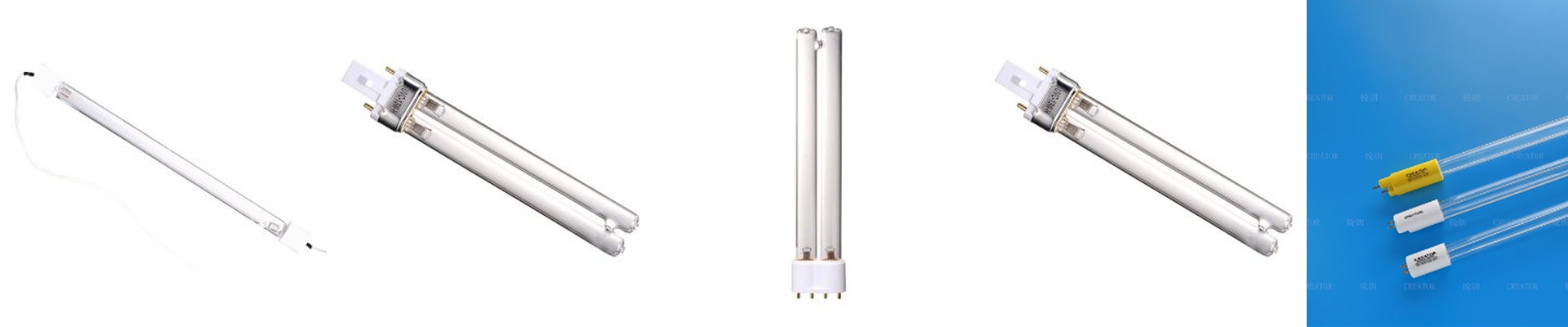
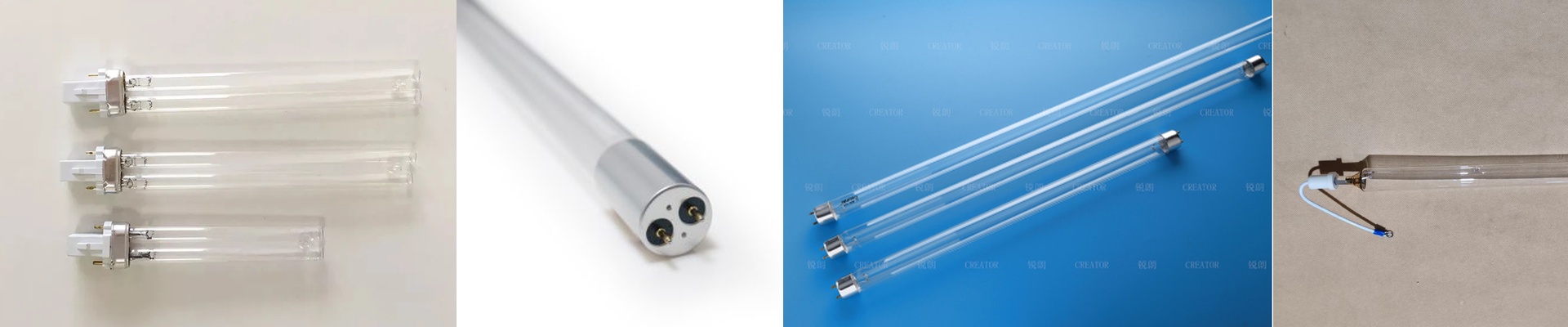
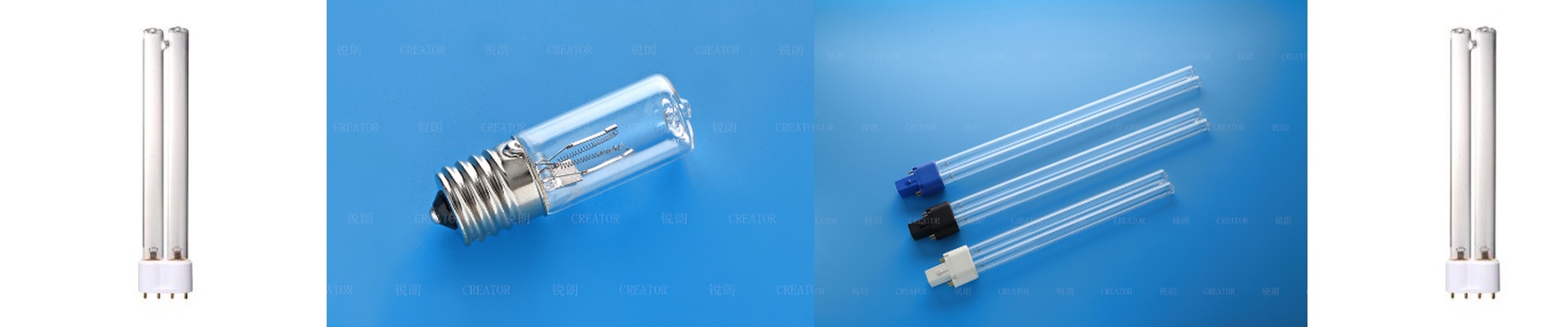
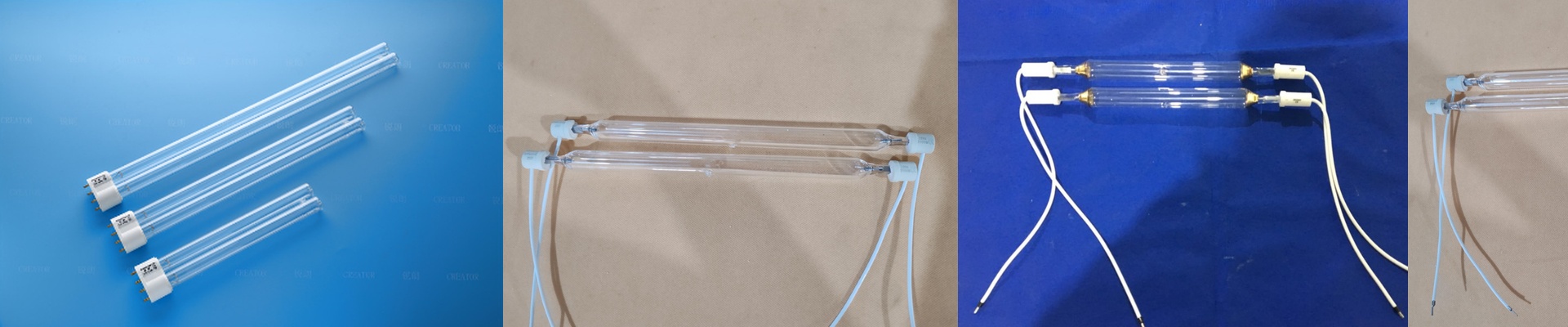
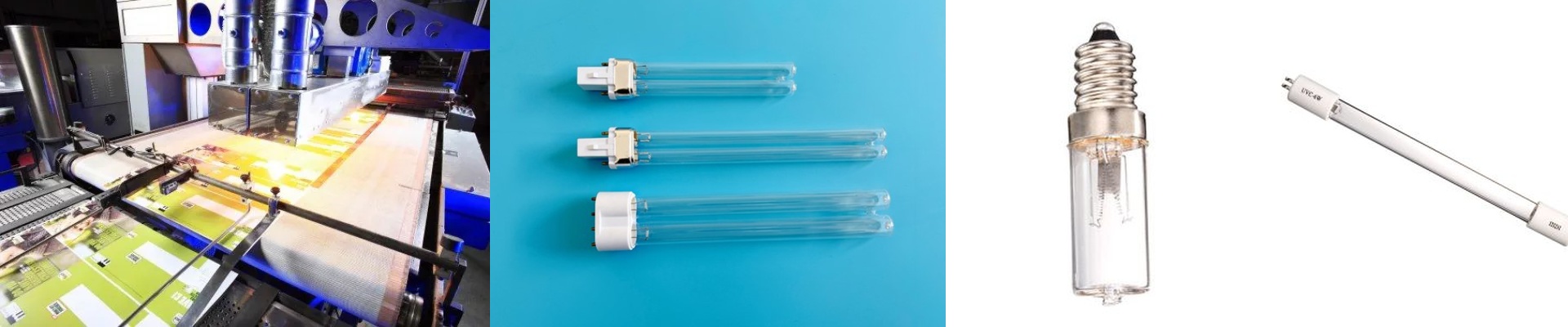
Step into any home where cleanliness is non-negotiable, and the question comes up fast: how do we kill germs on surfaces without chemicals, quickly and without guesswork? It all comes down to nailing the UVC lamp output. Too little power, and pathogens survive. Too much, and you’re wasting energy and burning out the lamp early. Here’s a straight-to-the-point rundown that lines up lamp output with the space you’re treating and the exposure protocol you’re running. What actually matters on the technical side UVC germicidal action peaks around 254nm, right where DNA and RNA absorb hardest. Output isn’t just about wattage—it’s irradiance at the target plane, measured in mW/cm², and cumulative dose in mJ/cm². A typical 15W low-pressure mercury lamp will give you roughly 45–60 mW/cm² at 1 cm, which translates to 30–40 mJ/cm² over 60 seconds. That’s enough to knock out common bacteria and viruses on small items. For room-scale disinfection, you need uniform coverage. Use the inverse-square law to map irradiance at the farthest surface. If you need 20 mJ/cm² at 2 m, the lamp has to deliver about 160 mW/cm² at 1 m. Pick a lamp rated for that irradiance, with a stable arc, an ozone-free quartz envelope, and a defined lamp life curve. Plan on 8,000–9,000 hours to reach 70% output. Why this approach fits the home environment In a house, the duty cycle is intermittent, but repeatability is everything—phones, keys, countertops, masks, and small tools. Match power to volume and you get shorter cycles without guesswork. A correctly sized 15–36W lamp, teamed with a purpose-built reflector and a timer that controls dwell, delivers a consistent dose across the target area. The payoff is predictable inactivation, lower energy draw per cycle, and fewer lamp changes. Built-in safety interlocks, position sensors, and automatic shutoff keep exposure within safe limits for the household. What you need to keep straight UVC works, but it demands respect. Never look directly at the lamp—use interlocks and shielding so direct exposure stays at zero. Surface cleanliness matters. Dust and films scatter and absorb irradiance, so dose calculations assume clean, uncoated targets. Lamp output drops as it ages; schedule periodic checks or swap the lamp at 80% of rated life to keep dose consistent. Verify electrical compatibility: voltage, connector type, and thermal limits. And confirm materials in the exposure zone are UVC-stable—some plastics and dyes degrade with prolonged exposure.