

Getting the Wavelength Just Right: The Truth About Gallium Iodide Lamps
Most UV lamps are kind of a “shotgun approach”—they throw a broad spectrum of light at everything and hope for the best. But some jobs need a sniper rifle. You need to hit one specific wavelength to trigger a chemical bond or a photo-initiator, and if you’re off by a few nanometers, nothing happens. That’s where our Gallium Iodide (GaI) lamps come in. By adding gallium iodide to the arc discharge, we can shift the peak of the light to hit those exact targets that standard mercury lamps just breeze right past.
How we actually nail the timing
We don’t just throw some gas in a tube and call it a day. It’s a balancing act. We tweak the gas mix and the pressure until we hit your specific nanometer target. Since we’re working in the UVA and UVB ranges, power density is everything. We play around with the tube diameter and the electrode shapes to get the intensity right. But there’s a catch: if you cram too much wattage into a tiny space, you’ll cook the quartz envelope. We spend a lot of time balancing the electrical load so the light stays steady from one end of the tube to the other.
The gear that makes it work
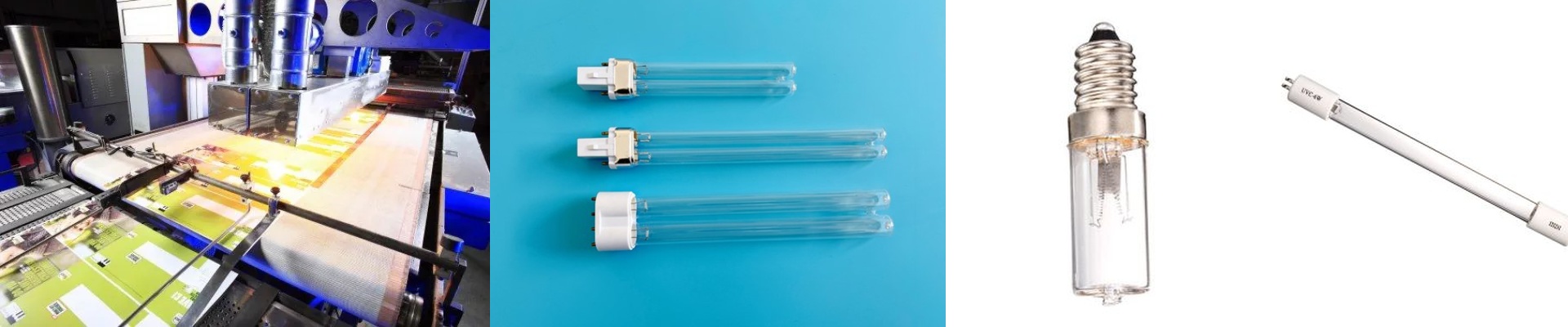
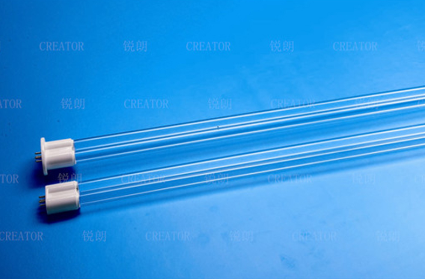
You can’t use cheap glass here. It would either block the UV rays or simply melt under the heat. Instead, we use high-purity synthetic quartz. It’s clear, it’s tough, and it lets the radiation through. Then there are the electrodes. We use tungsten because it can handle the brutal heat of high-voltage ignition without burning out. And since we know you probably already have a housing set up, we do custom end-caps. Whether you need a specific pin layout or a threaded mount, we make sure it just slides right in.
The one thing you can’t ignore: Heat
Here is the honest part: these lamps gethot. Really hot. If you ignore the thermal load, your quartz is going to stress and eventually crack. It’s as simple as that. If your cooling system isn’t up to the task, the lamp will drift away from its target wavelength as the materials expand. To stop that from happening, we usually suggest integrated air-cooling or water-jackets for the high-wattage builds. Keep the heat under control, and you get that surgical precision you’re looking for.