


Why the “Old Reliable” UV Bulb Needs a Brain
For years, standard mercury UV lamps have done the heavy lifting in industrial curing. They get the job done—drying inks and setting polymers fast. But here’s the problem: they’re basically blind. Once you flip the switch, you’re just guessing. You have no way of knowing if the intensity is dipping or if you’re just burning power for nothing.
The messy reality of the tube
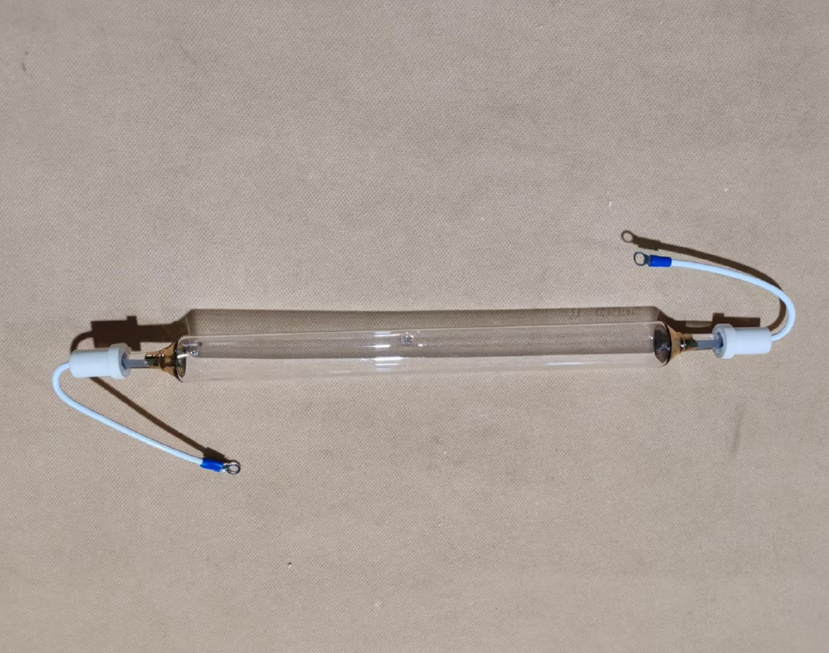
The way these bulbs work is pretty brutal. You’ve got an electric arc ripping through vaporized mercury, which creates an incredible amount of heat along with the UV light. To keep that arc stable, everything has to be dialed in perfectly. But if your power supply hiccups? The light shifts. And that’s when things go south on the production line. You end up with coatings that aren’t fully cured or that annoying “orange peel” texture that makes a product look cheap.
Stop guessing, start monitoring
We’ve started putting smart sensors directly into the ballast and housing to keep an eye on energy use. Now, this isn’t about having some flashy dashboard to look at. It’s about the peace of mind that comes with knowing a bulb is dying before your QC team starts tossing parts in the scrap bin. By tracking the voltage and current, we can actually figure out how much UV light is hitting your product. You can see the spikes when the lamp warms up and the slow fade as the mercury wears out. It means you can swap bulbs because they’re actually worn out, not just because a calendar told you it was Tuesday.
The catch: Heat is the enemy
Of course, adding hardware comes with a trade-off. The power supply gets a bit bulkier. But the real challenge is the heat. Those sensors are sitting right next to a tube that’s running at full tilt, so they need serious shielding. If your cooling fans quit, the sensors will start drifting. You’ve got to have your ventilation sorted, or you’re just frying your electronics while trying to monitor your lamps.