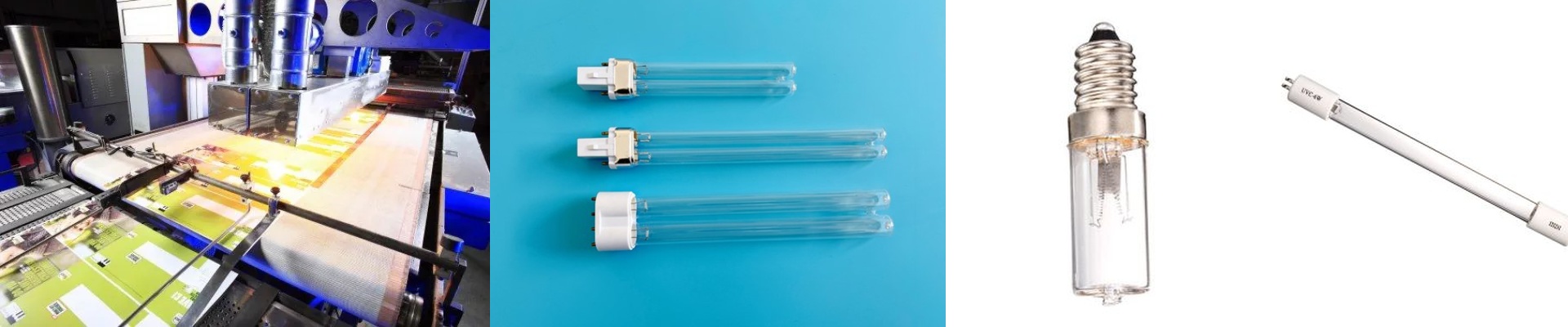
You know the feeling. The stack comes off the press, and the sheets still feel tacky. The ink looks fine on the way through, but the surface stays soft. Before you start tweaking ink ratios or dialing service, check the lamp. Sometimes the cure problem isn’t the ink—it’s the energy that’s no longer there.
What matters, in practice
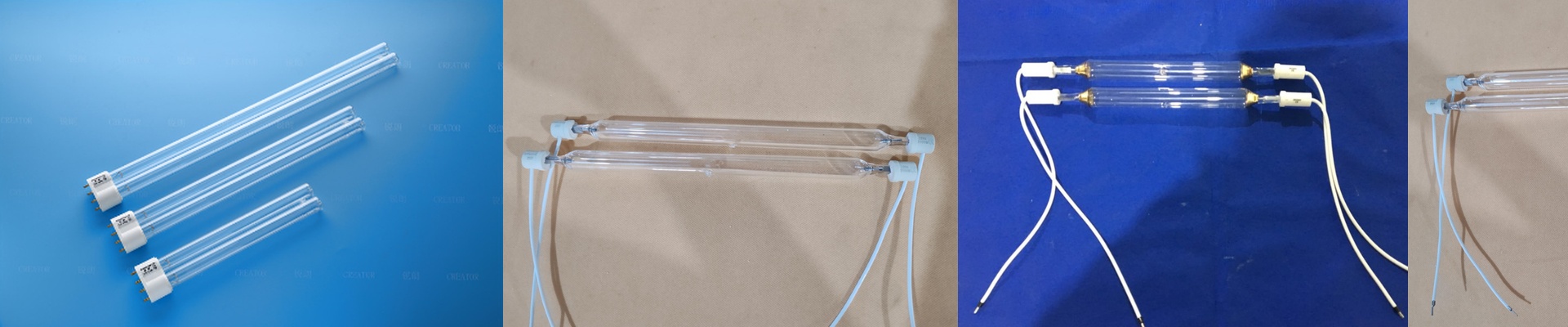
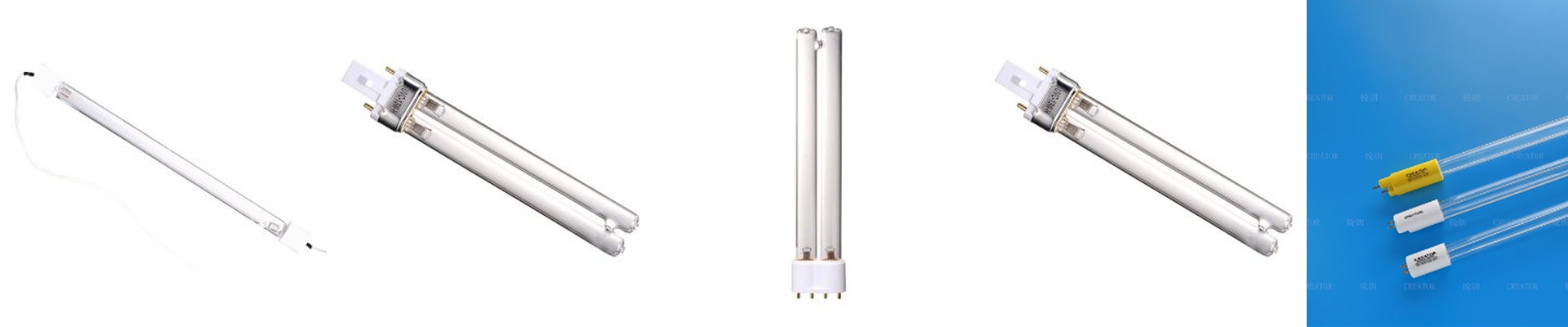
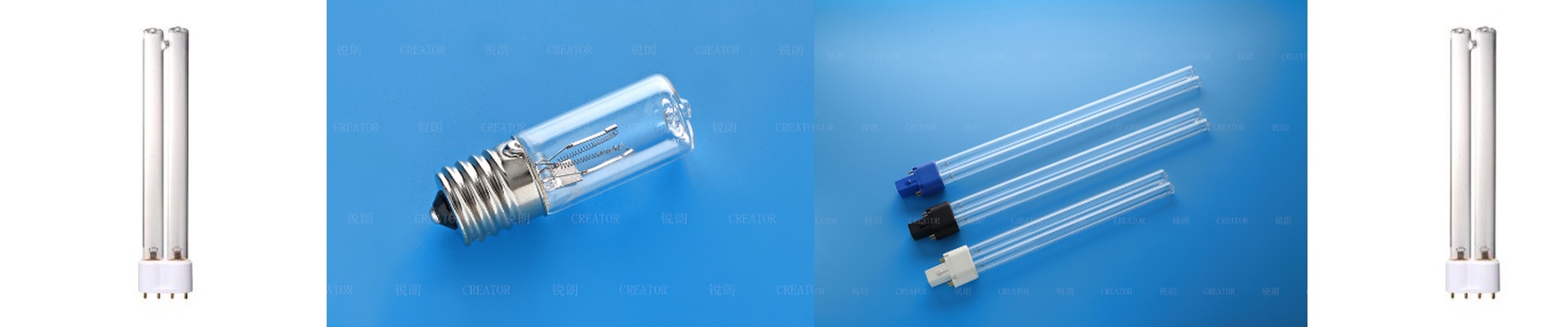
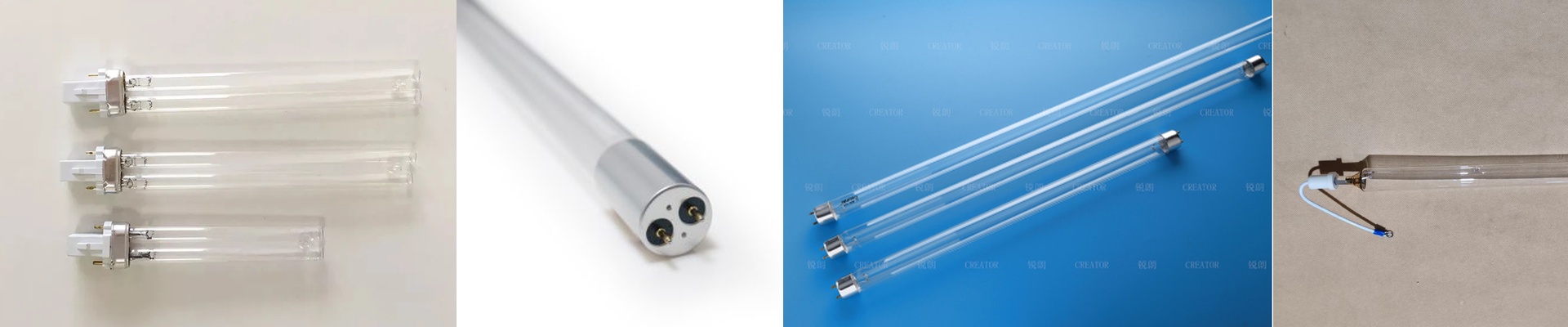
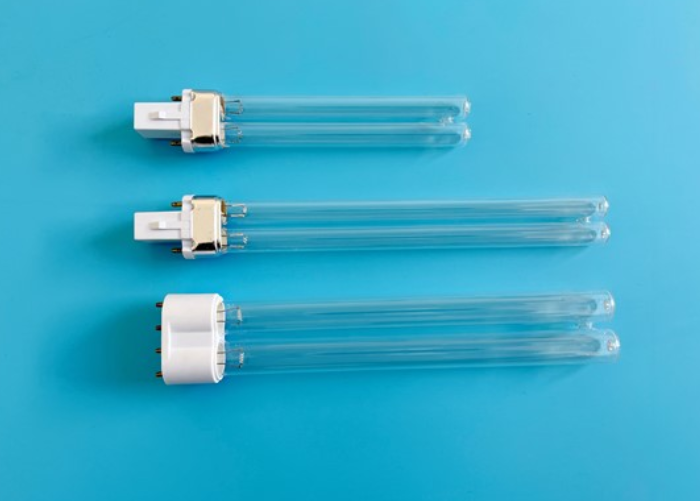
These industrial UVC germicidal tubes are built to hold steady output at 254nm, the short-wave energy that lights off the photoinitiator and drives full cross-linking. You get consistent peak irradiance across the arc length, and the quartz envelope is chosen for high UV transmission and thermal stability. We call it out in mJ/cm² at the substrate plane, not in nominal lamp watts, because curing is about delivered energy density. The reflector uses a dichroic coating tuned for 254nm reflectance, so you keep the IR waste down and concentrate the usable energy where it counts—right at the sheet.
Why this fixes what’s really wrong
On the floor, tackiness is usually a curing energy deficit. As the lamp ages, spectral output drops—especially in that critical short-wave band that gives you surface cure. Swap in a UVC tube that hits the required energy density, and you get an instant surface set plus enough depth penetration for full cross-linking. You can stack immediately, cut down on off-gassing, and keep print quality consistent. The payoff is fewer troubleshooting cycles and fewer reruns.
The details that bite you if you skip them
These tubes are ozone-free and fit standard UV curing fixtures, but they still need the right electrical matching and reflector alignment to hit the specified irradiance. Run the wrong voltage, or let the reflector get contaminated, and the delivered dose falls off fast. Before you swap, confirm your fixture’s arc length, end-cap type, and cooling profile. And always verify dose with a radiometer at the substrate plane. That number is what matters when the sheet hits the stack.