
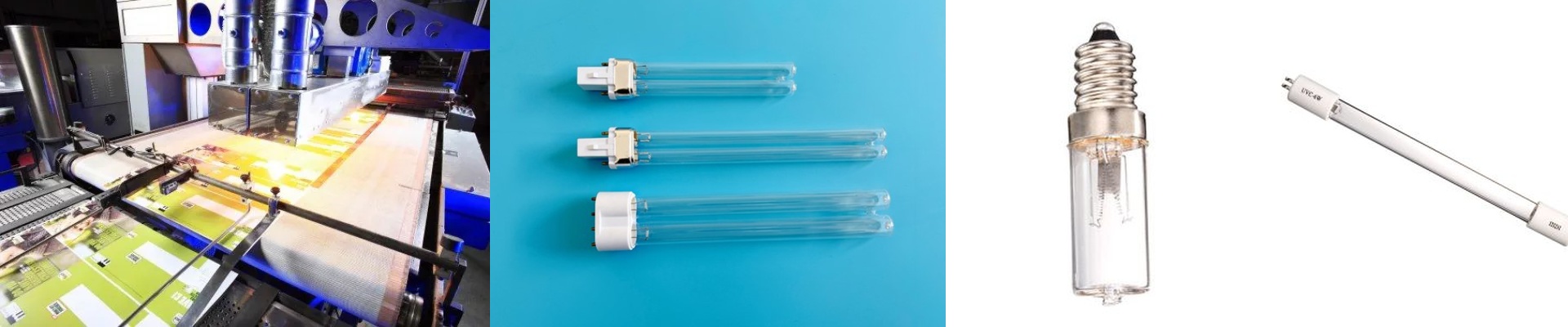


Building Better Mercury UV Tubes That Actually Last
Here is how it works: we run electricity through mercury vapor to create short-wave UV radiation. That’s the magic that makes your inks and coatings snap into place. But if you’re buying these in bulk or building them into your own machines, you probably don’t want a “one size fits all” part. You need something that actually fits your footprint.
Getting the Power Right
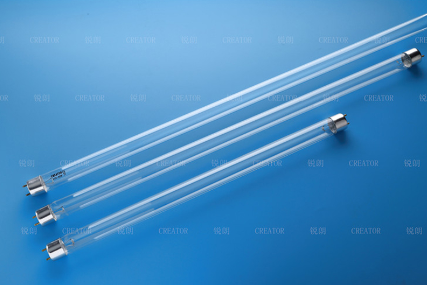
It’s all a balancing act between wattage and length. If you get that wrong, your lamps burn out way too fast. We spend a lot of time tweaking the mercury pressure and the thickness of the quartz walls so the tube can take a beating. Now, high-wattage tubes are great because they let you crank up your line speeds. But they gethot. Really hot. If your cooling fans or water jackets can’t handle that heat, the quartz will stress out and crack. It’s a headache you definitely want to avoid.
Not Just Another Generic Part
We use high-purity fused quartz because we want as much UV light as possible getting through the glass. When we work with OEM partners, we do more than just put your logo on a cardboard box. We actually change the electrode shapes and the end-cap seals so they play nice with your specific ballasts. The goal is for the tube to be a simple drop-in replacement for your customers. Plus, we can shift the light. Need more UVC for thick resins? Or maybe UVA for a thin glaze? We can dial that in.
Making it Work in the Real World
These tubes are workhorses for industrial conveyors and curing presses. When you build your brand around our hardware, you’re the one in control of the lifespan and the replacement schedule. We’ll give you the technical sheets so your engineers can get the wiring right the first time. One quick tip: remember that mercury lamps need a little time to wake up. They don’t hit full power the second you flip the switch. If your process needs “instant-on” light, you’ll just need to build a pre-heating circuit into your design. Simple as that.