

The Fight for 0.5%: Why a Tiny Shift in UV Light Actually Matters
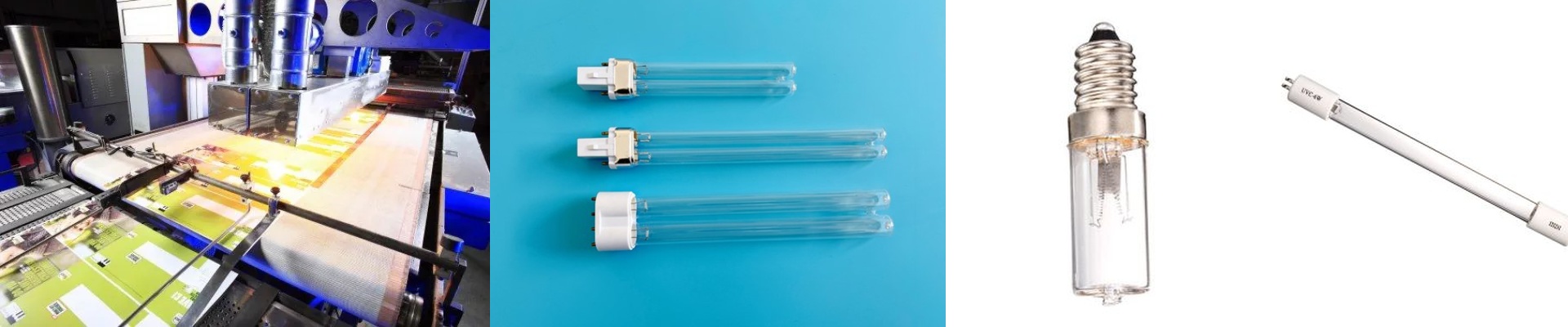
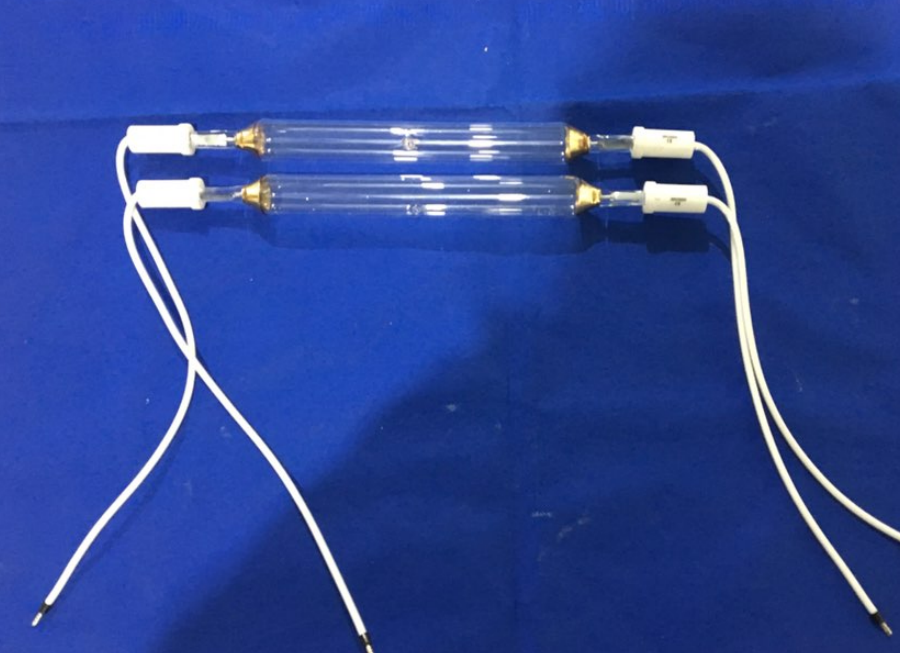
Most UV lamps you’ll find on the market slap a “germicidal” label on the box and call it a day. But if you look closer, they aren’t really focusing on where the energy actually goes. We spent months in the lab obsessing over a 0.5% increase in spectral energy concentration. Now, if you aren’t a sterilization engineer, that sounds like nothing. It sounds like a rounding error. But in the real world? That tiny shift means you can pull less power from the wall and cut down your exposure times. It’s the difference between “good enough” and actually efficient. The trick is all about the peak. UV-C only works if the energy hits the DNA of a germ exactly right. If the light spreads out or drifts, you’re basically paying for electricity that does nothing. We messed around with the gas mixtures and the shape of the electrodes until we could tighten that beam. The result? More photons hitting the target. You get the same kill rate, but you don’t have to crank the wattage to do it. It isn’t all easy, though. You can’t just use any glass for this. Standard glass blocks UV-C entirely, so we had to go with a very specific grade of high-purity synthetic quartz. It keeps the light moving instead of soaking it up inside the lamp. But here’s the catch: when you concentrate the light like this, things get hot. Specifically at the ends of the lamp. If you just pop these in and forget about airflow, your electrodes are going to fry. Make sure your cooling fans can actually handle the heat coming off the seals, or you’re just wasting your money. Getting them into your system We made these as drop-in replacements. They fit into your existing housings without you having to tear apart the chassis or drill new holes. Just do me a favor: check your ballast before you flip the switch. Because these are more energy-efficient, the impedance is a bit different than those old-school bulbs. Get your voltage dialed in. If you don’t, you’ll clip that peak—and you’ll lose that 0.5% advantage we spent months fighting for.