




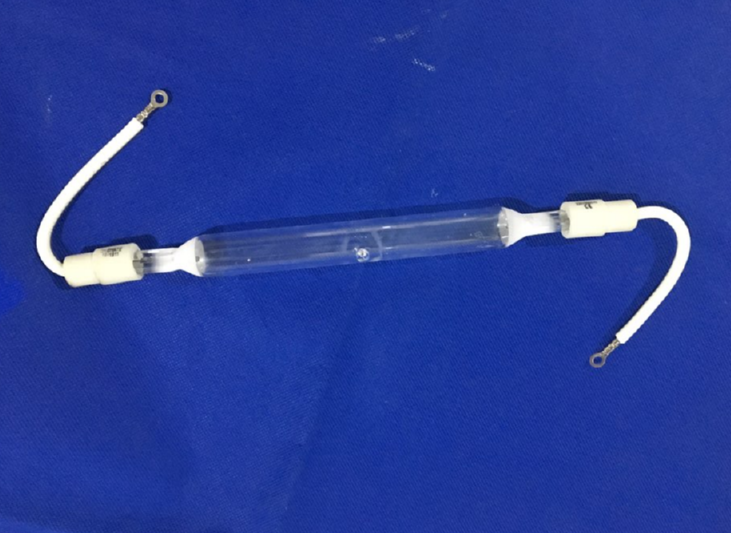
The Real Deal on Gallium Iodide Lamps
Ever feel like you’re fighting with your curing equipment? You want the energy to hit deep into the material, but you keep scorching the surface. It’s a frustrating trade-off. That’s where our gallium iodide lamps come in. They hit a sweet spot between short-wave infrared and UV that you just don’t get with standard gear.
How they actually work
Most lamps you’ll find use tungsten. We do things differently. By using gallium iodide, we shift where the energy peaks. The result? The light sinks deeper into your polymers or coatings. You get the heat where it actually matters, without burning the top layer to a crisp. It’s just a smarter way to deliver energy. But here’s the tricky part: the build. These things need a perfect vacuum and a very specific gas fill. If the pressure is off by even a tiny bit, the lamp is toast. We spend a lot of time obsessing over that fill pressure so your output stays steady and the lamp doesn’t die on you prematurely.
Keeping the price honest
We’re tired of the “middleman tax.” Instead of buying quartz tubing or chemicals from someone else and marking them up, we handle the whole supply chain ourselves. We process the raw materials and do the final assembly under one roof. That’s how we keep the costs down. We also stick to standard footprints whenever we can. Sure, we can build you a custom length or voltage if you really need it, but staying with industry standards lets us run bigger batches. That means more savings passed on to you.
A quick heads-up on the heat
Here is the catch. These high-output lamps gethot. I mean really hot, especially at the electrodes. You can’t just slide these into a cheap, low-spec housing and hope for the best. If your cooling isn’t up to the task, your tube life is going to plummet. Before you wire these into a high-density array, double-check your airflow. You need a solid heat sink. If you don’t, the thermal cycling will stress the quartz until it eventually cracks. And nobody wants that.