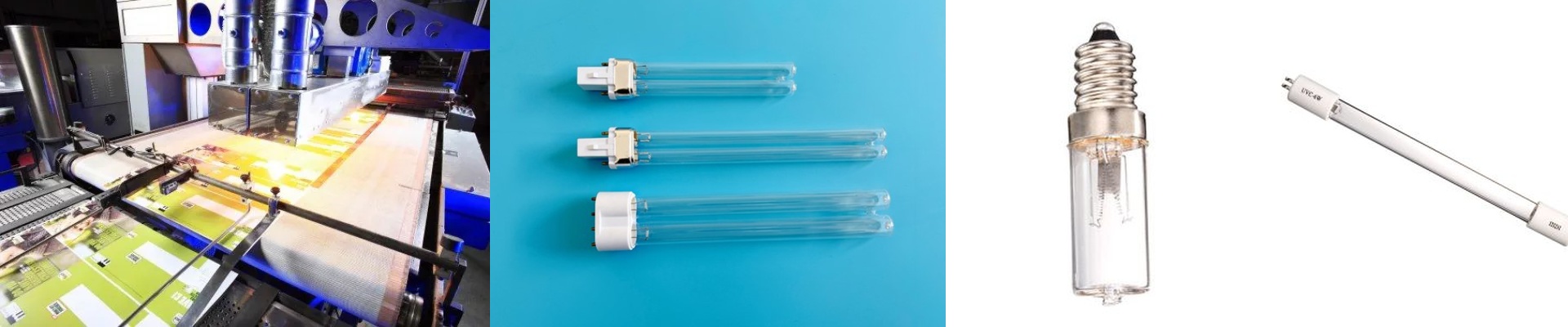
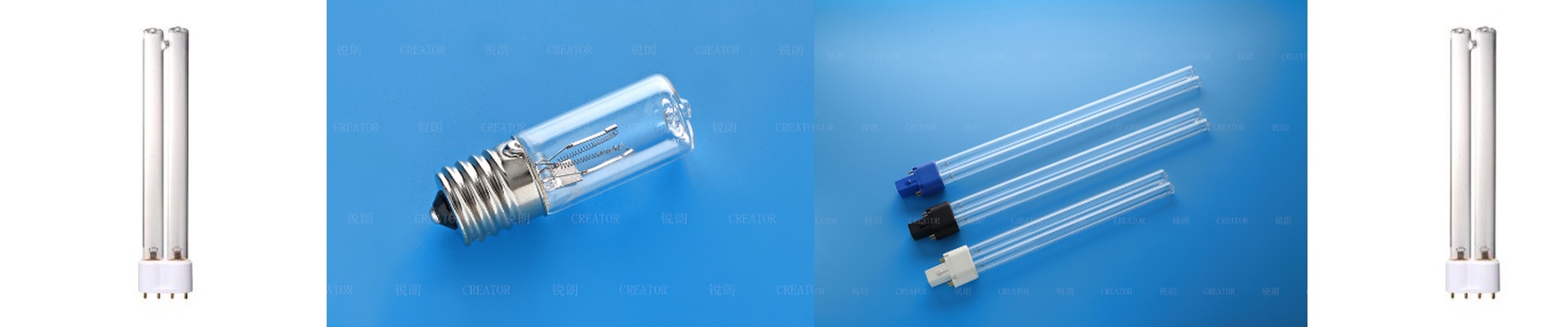
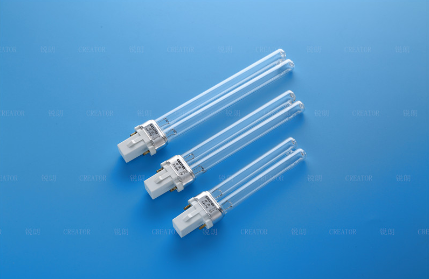
If you run wide-format UV offset, flexo, or screen, curing can’t be a guessing game. Let peak irradiance drift or the spectral output wander, and the photoinitiators in the ink won’t cross-link the way they should. You get adhesion failures, mottling, pinholes—then the press has to slow down just to keep the cure honest.
What actually matters under the hood
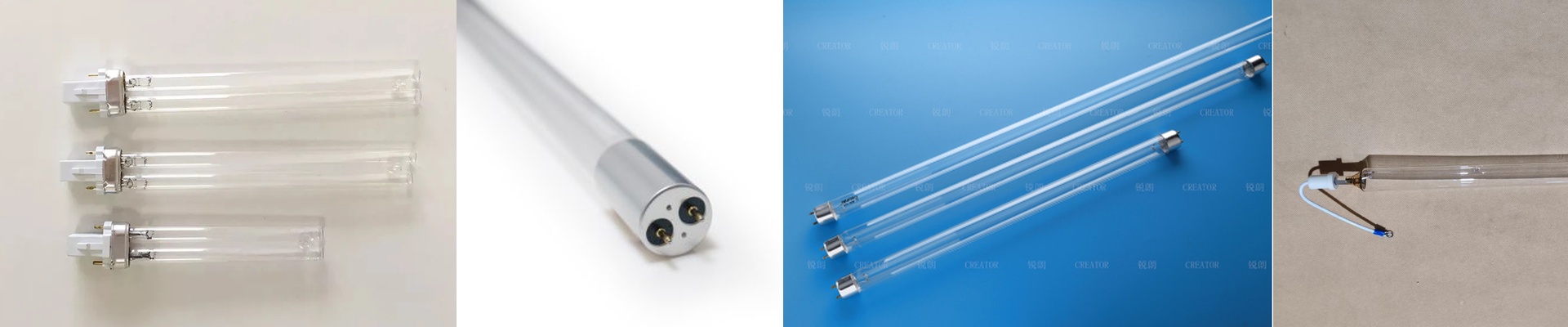
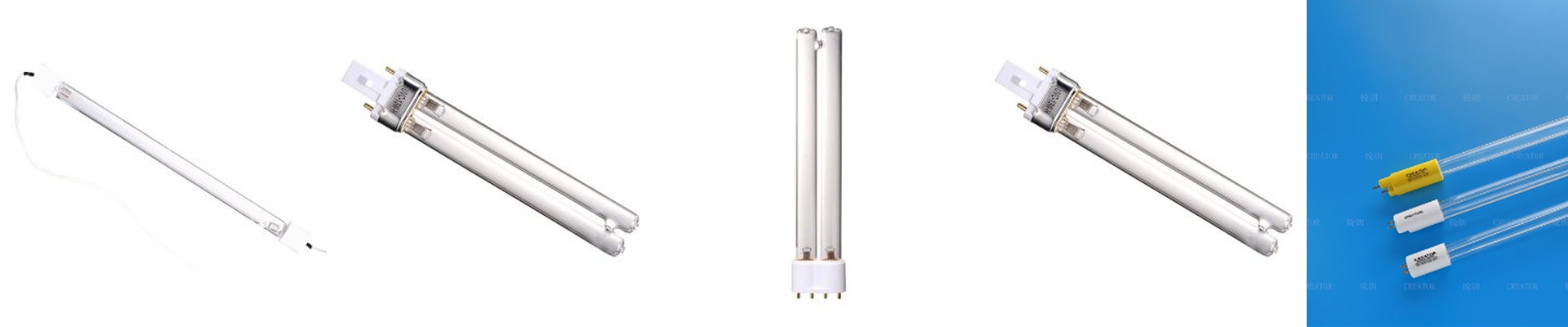
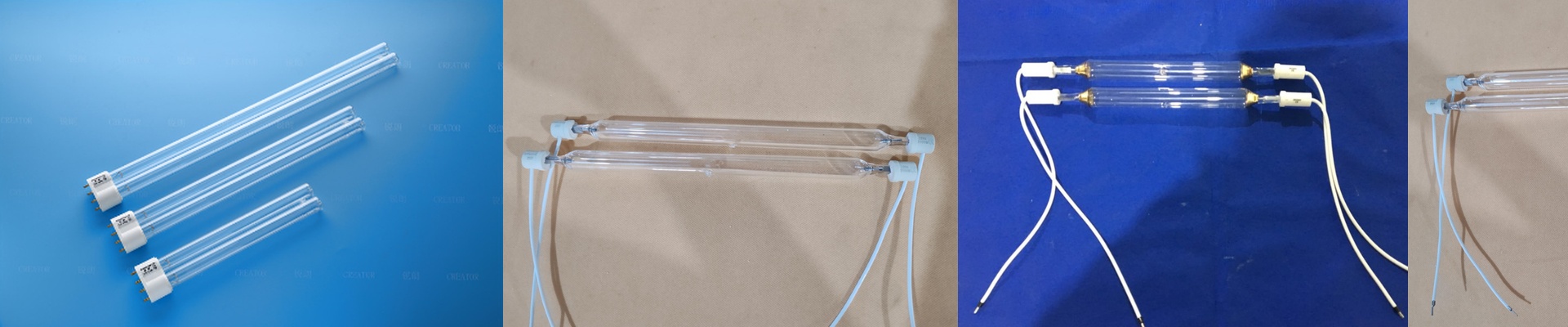
We build wide-format UV curing lamps around one idea: repeatable photon delivery. The mercury vapor discharge is paired with a dichroic-coated reflector so the output stays centered on the wavelengths you need—typically 365 nm, 385 nm, and 405 nm—without dumping broadband energy where it won’t help. Peak irradiance is engineered to hit the ink’s required energy density (mJ/cm²) at line speed, and you get tight spatial uniformity across the full cure width. Stability isn’t a slogan. It’s measured. We keep output variation under 3% once the lamp temperature is stable, and long-term attenuation stays below 5% over 5,000+ operating hours. Ozone-free quartz envelopes and arc gap control cut down on heat load on sensitive substrates, and they help preserve lamp life.
Why this lands in real production
Press OEMs keep coming back to us for one reason: the lamp is matched to the machine. We align voltage, connector interface, and the physical envelope to the curing module so the lamp installs as a defined spec, not a field improvisation. The payoff is predictable cure across PVC, PET, and coated media—full width—with fewer speed reductions and less scrap. Energy use drops because the reflector puts usable UV on the substrate, not into the housing. And fewer lamp changes translate directly into less downtime and a smaller spare-parts footprint.
What to watch on the floor
Wide-format lamps are sensitive to cooling and reflector cleanliness. Run the rated airflow, and keep the reflector free of ink mist and dust—otherwise irradiance uniformity drifts, and cure consistency falls apart. Also double-check substrate thickness and ink formulation. High fill loading and dark pigments push you toward higher peak irradiance, and you may need to tune wavelength to get it right. Respect those conditions, and the lamp performs as specified: stable spectral output, long life, and repeatable cross-linking shift after shift.