


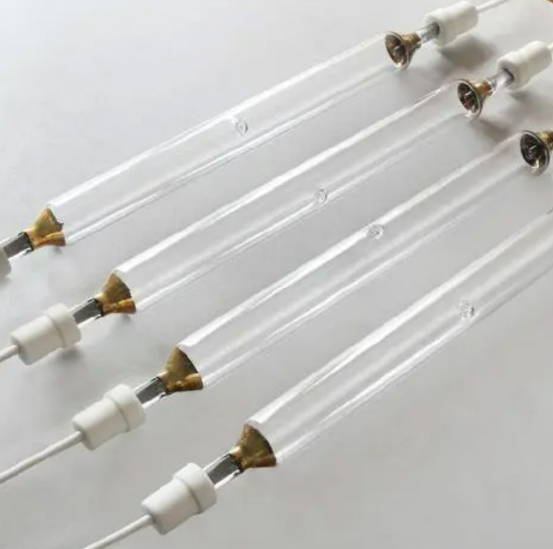
Making GaI Lamps That Actually Last (And Don’t Trash the Planet)
If you’re working with thick-film coatings or resins that need a deep cure, you probably already know about Gallium Iodide (GaI) lamps. They hit that sweet spot around 300-320nm. But for too long, these things have been treated like disposable batteries—run them hard, watch them burn out, toss them in the bin. We’re over that. We wanted to build something that doesn’t leak toxins and doesn’t die every few hundred hours. The secret is in the light. Standard mercury vapor lamps spray energy everywhere. GaI is different. It’s tighter. It puts the energy exactly where the photoinitiator needs it, which just makes sense. To keep that light from fading, we use high-purity quartz. If you’ve ever seen a lamp get that cloudy, “solarized” look, you know how it kills your output. One heads-up: these things get hot. Really hot. You’ve got to make sure your reflectors are dialed in perfectly. If they aren’t, you’re basically cooking the ends of your own lamp. Why most lamps fail (and how we fixed it). Most cheap lamps give up the ghost at the pinch seal. It’s the weak point. We reinforced the sealing process to stop gas leaks, which is the quickest way to stretch out the life of the lamp. Then there’s the “fill.” If the gallium iodide isn’t pure, metallic junk gets in there and eats away at the electrodes. We spent a lot of time refining our purification process to scrub that stuff out. The result? A lamp that stays stable long after the cheap stuff would have flickered out. Getting them into your setup. The good news is these are drop-in replacements. They fit your existing UV arrays without any fuss. But here’s the thing: because they’re built to last, they handle heat differently. Your cooling fans might kick into high gear during the initial ramp-up. And please,don’t skip the warm-up cycle. I know it’s tempting to just flip the switch to full power and get moving, but that stresses the arc. It’s like redlining a cold engine. We built these for the long haul, so give them a minute to breathe, and they’ll take care of you.