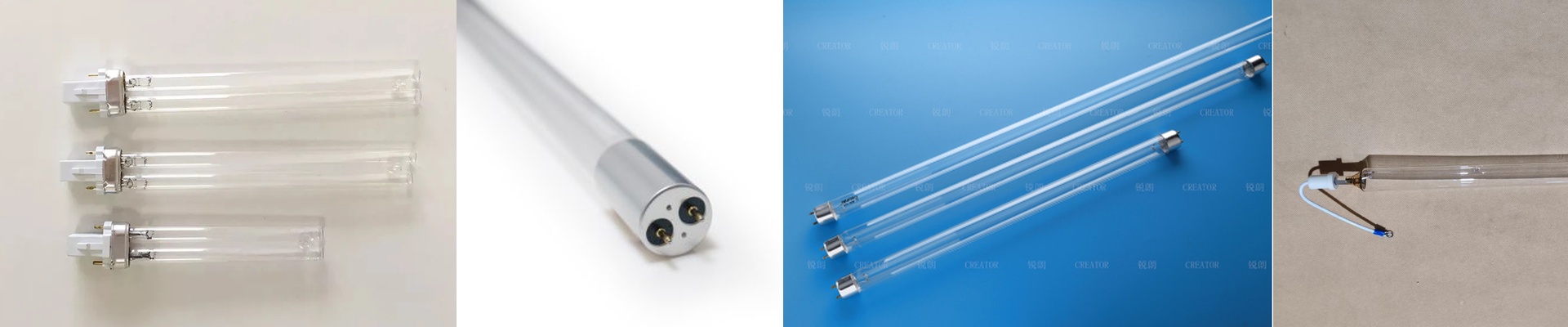
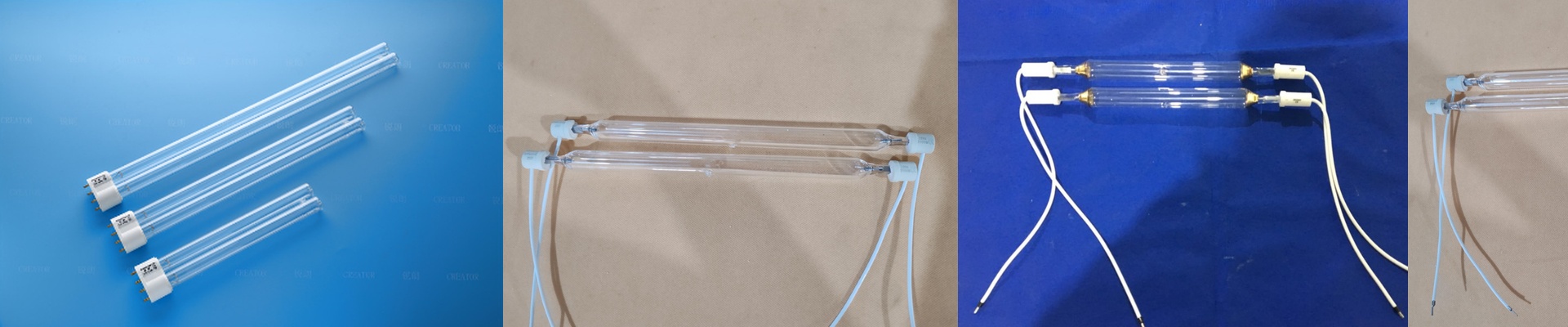
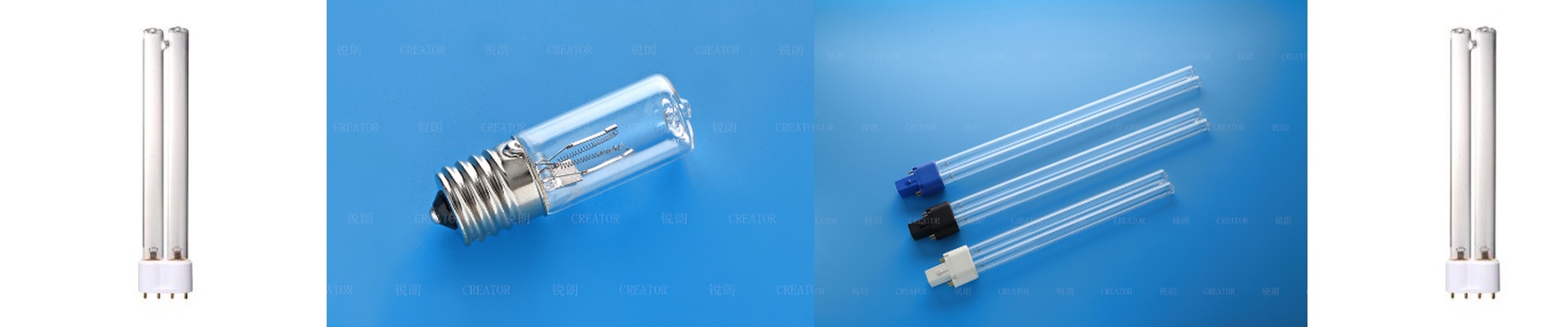
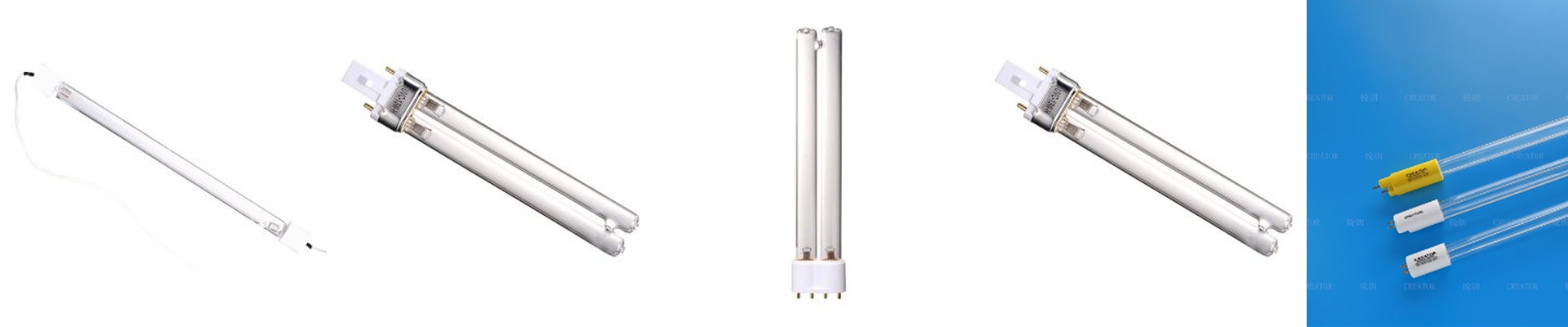
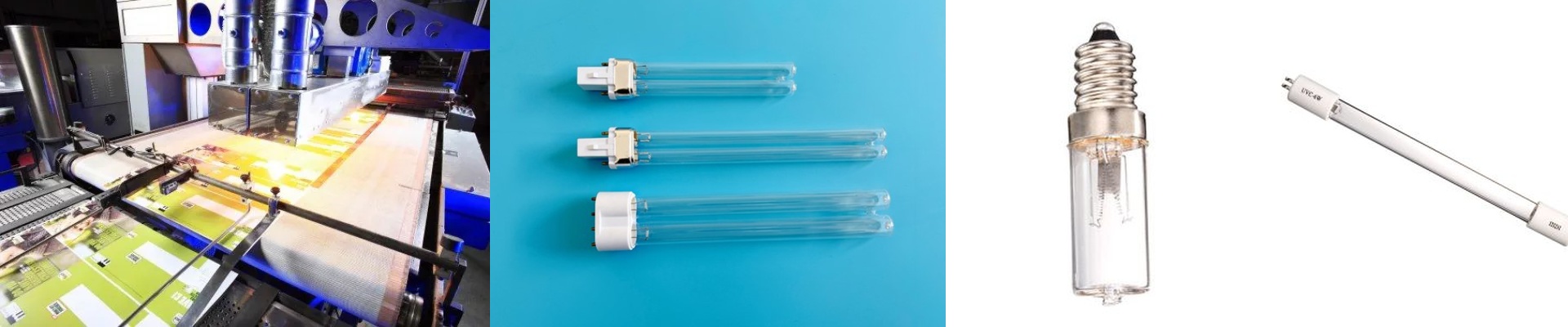
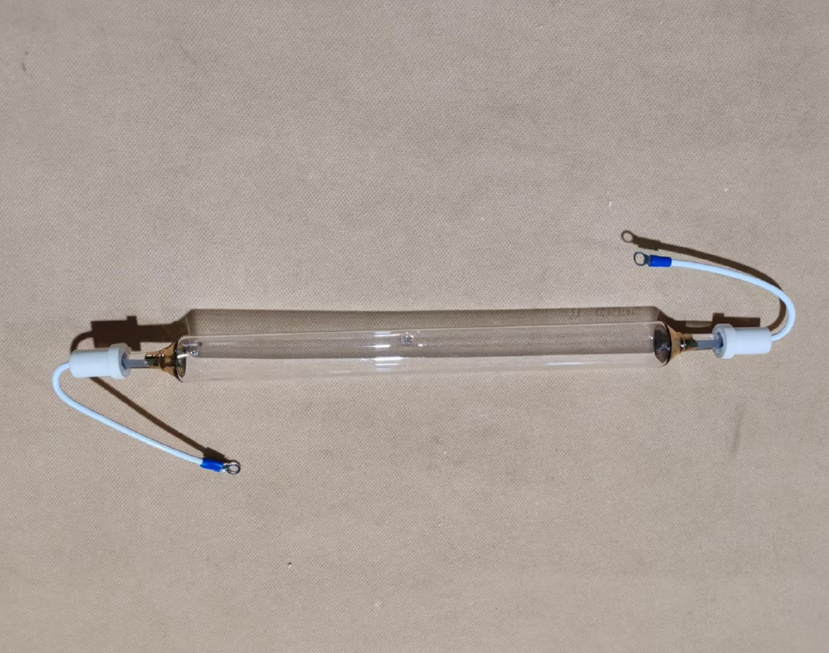
On an automotive parts line, you can’t afford a cure failure on the powder coat line. IR preheats the substrate, and the UV lamp has to finish the cross-linking in seconds. If lamp output drifts, you get under-cure at the edges—or worse, the whole line stops. What matters technically Our replacement UV lamp for Primarc systems is built on a high-pressure mercury vapor discharge, tuned for stable spectral output at 365 nm and across the broadband UVA band. Peak irradiance is set so the photoinitiators in powder formulations hit the required energy density (mJ/cm²) inside the dwell window. We match power density and arc length to the reflector geometry so the focal line lands even—no hot center and cold ends. The quartz envelope and dichroic reflector coating keep output consistent over time. We’ve seen units run 5,000+ hours with less than 5% drop in measured irradiance. Why it works here Hybrid drying—IR heating plus UV curing—only works when the UV step is repeatable. This lamp delivers predictable spectral energy, so the powder surface cures fully without overheating the substrate. The payoff is faster cycle times, less scrap from adhesion failure, and lower energy draw compared to keeping a full thermal oven at temperature. And because it’s compatible with Primarc fixtures, you swap lamps without re-engineering the reflector or power leads. Things to know Installation is straightforward, but alignment is the make-or-break detail. A lamp that isn’t seated right shifts the focal plane and gives you uneven cure. Check output with a calibrated radiometer before startup and again after, and confirm your power supply matches the lamp’s voltage and ignition requirements. The lamp is ozone-free, but the reflector and housing still get hot—let it cool before you service anything.