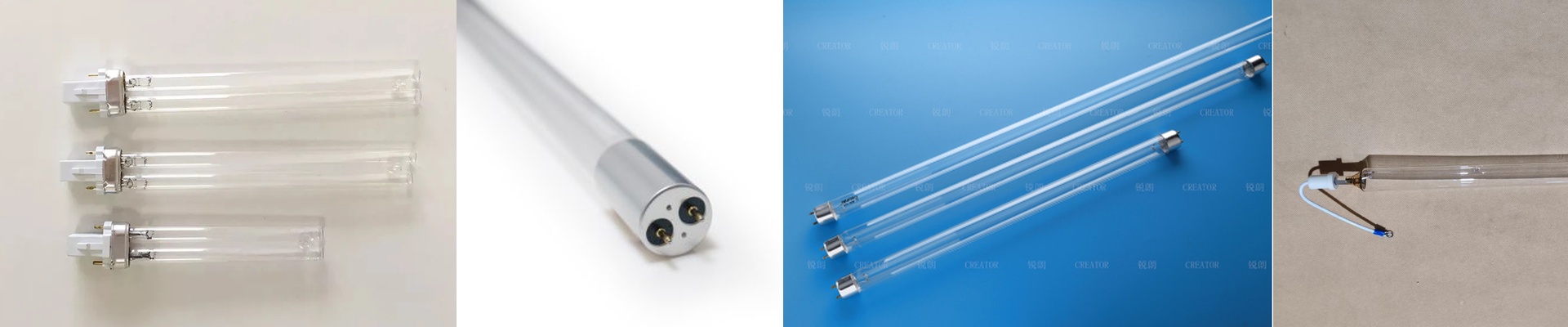
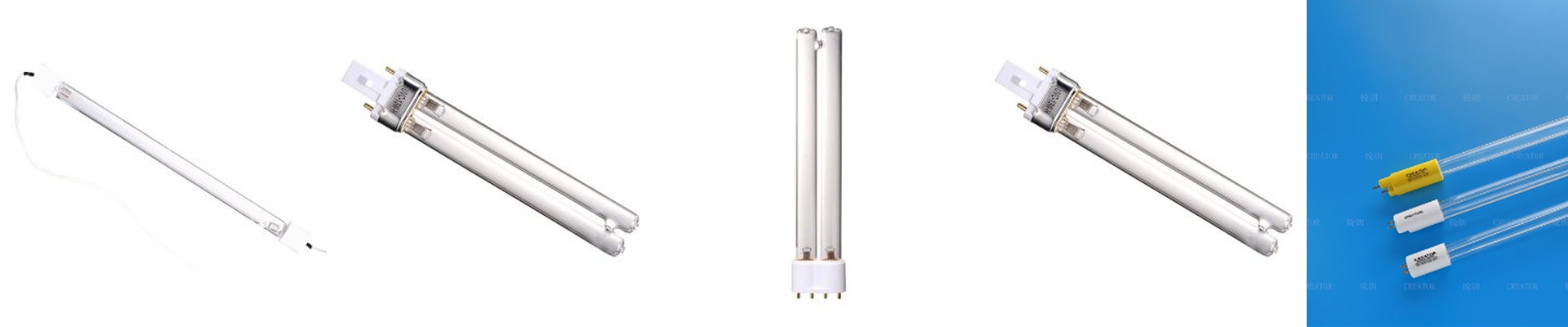
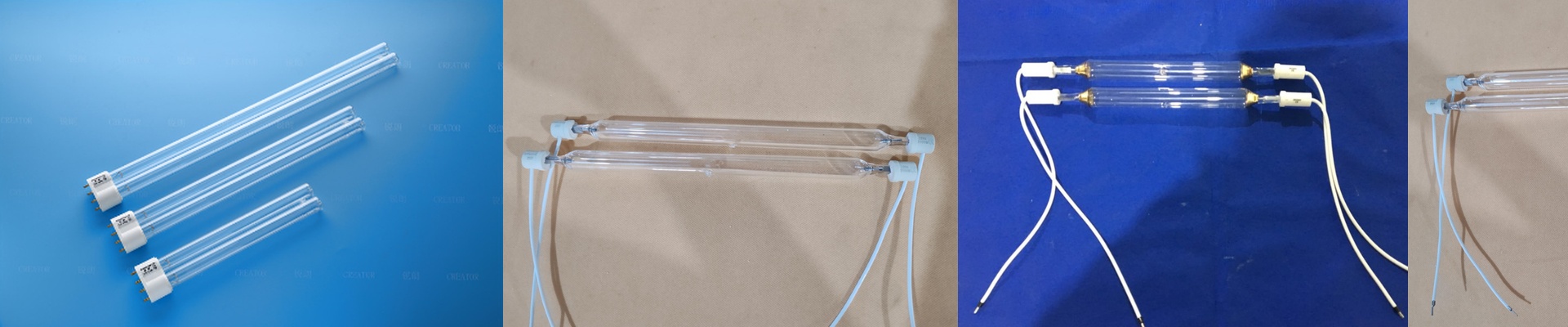
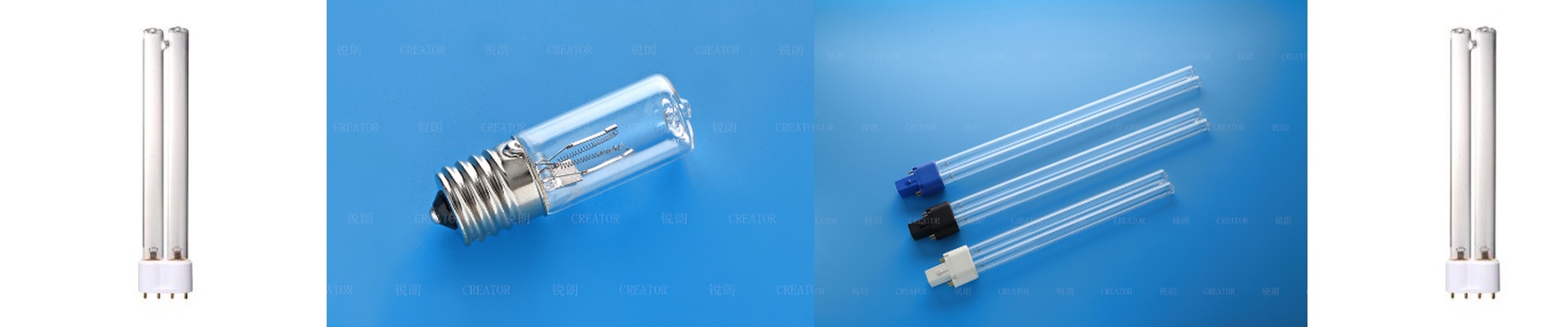
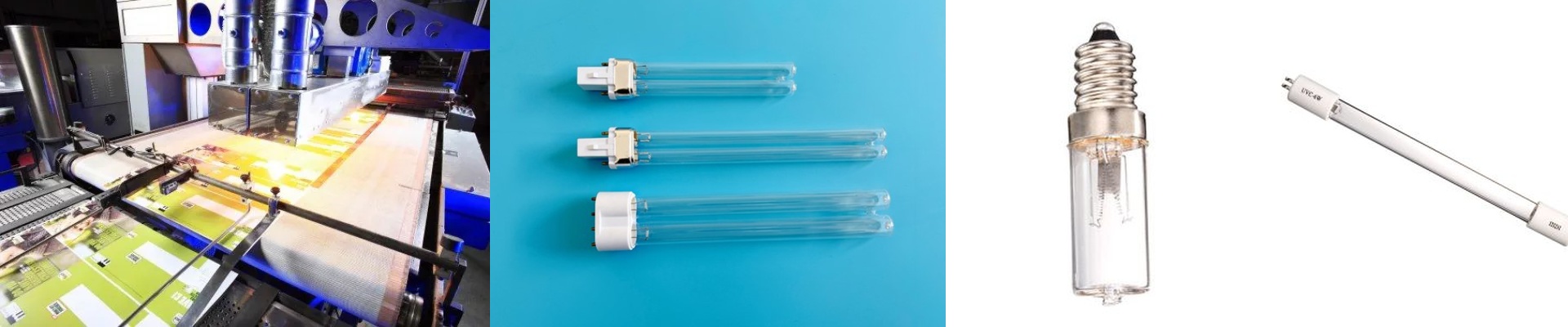
At 200 m/min, the web doesn’t stop for anyone. If your UV lamp can’t hold steady output, you’re staring down tacky surfaces, incomplete cross-linking, and scrap that costs more than the downtime. We built these UV curing lamps for what high-speed lines actually demand: intensity that stays put, dose you can count on, and lamp behavior that doesn’t drift, hour after hour. What matters under the hood We call out the physics because that’s what cures the ink. Peak irradiance stays above 1200 mW/cm² at the substrate, and you land a 600–800 mJ/cm² dose in a single pass. The spectral output is centered at 365 nm—deep enough to drive photoinitiator activation fast, and narrow enough to keep heat load in check so thin layers don’t get over-exposed. Power density is managed across the arc length to prevent edge-to-center non-uniformity, and the reflector uses a dichroic coating to shape the spectrum and squeeze out more usable UV. Ozone-free operation keeps the air cleaner and cuts maintenance on nearby components. In continuous high-speed printing, stability isn’t a nice-to-have. It’s the line between running and running clean. Our lamp holds consistent output even at 200 m/min, so curing doesn’t chase the press speed. You get fewer rejects, less scrap, and more predictable ink adhesion and cure depth. Energy use drops because the system delivers the required dose without over-driving the lamp, and lamp life stretches to 5000+ hours with less than 5% output decay—fewer change-outs, fewer service interruptions. Here’s the thing: you can’t treat the lamp in isolation. Match it to the optics and the substrate. The reflector geometry has to line up with the web width; a mismatched reflector will give you stripes and uneven cure. Confirm your power supply can sustain the required current without drooping under load, and make sure your thermal management holds the lamp envelope temperature where it should be. Expect a short warm-up to hit stable spectral output, and plan your line speed ramp accordingly.