Introduction
We build UV lamps for the factory floor, not some quiet lab bench. In a modern, automated plant, you can’t afford downtime or guesswork. Uptime is everything. So we treat light as a process you can control—predictable, steady, and ready to run, day after day. That means we sweat the details, from the quartz envelope all the way to the terminals. Because when your line is running, you need the lamp to behave the same way, shift after shift. No surprises. Just reliable performance.
Power, Voltage, and Dimensions: The Numbers That Matter
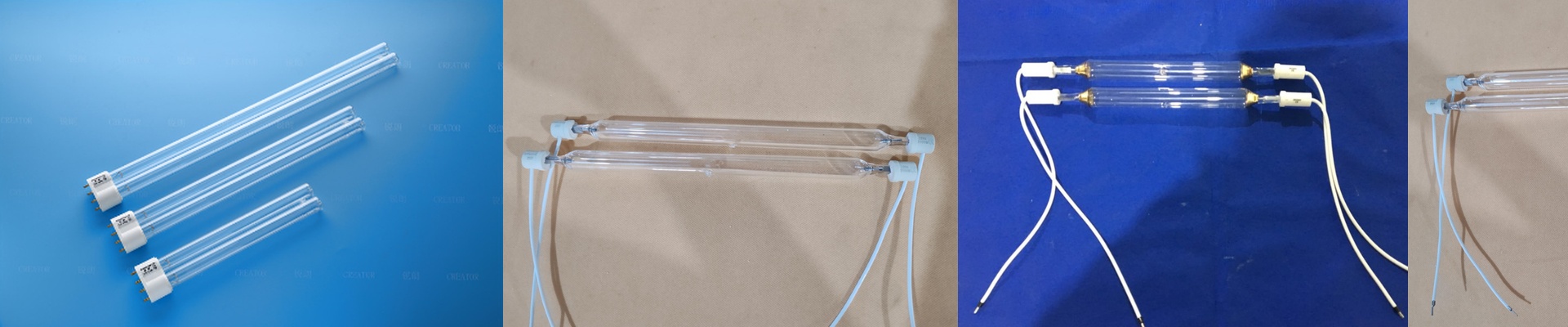
A UV lamp is only as good as the numbers backing it up. We spec every unit to match real-world line speeds and heat loads. If you’re dealing with fluctuating power from the mains, high-voltage designs—like 400V configurations—keep the arc stable. That stability is what keeps your curing or heating consistent, without drift. Power density is tuned to hit the sweet spot of your process. And when space is tight, a compact form—like a 300mm active length—packs the output where you need it. Match voltage, power, and length to your duty cycle, and the lamp stops being just another part. It becomes a predictable piece of your system.
Materials and Design: Built to Last
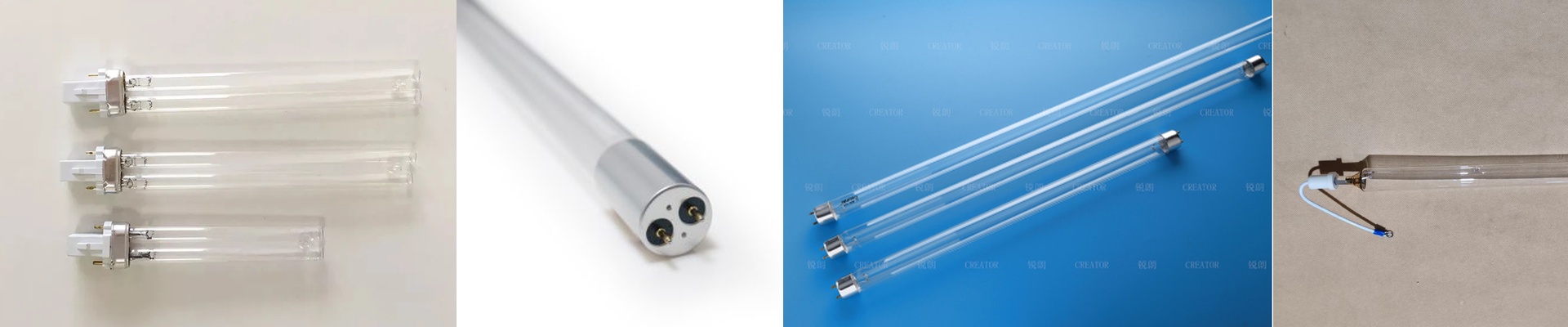
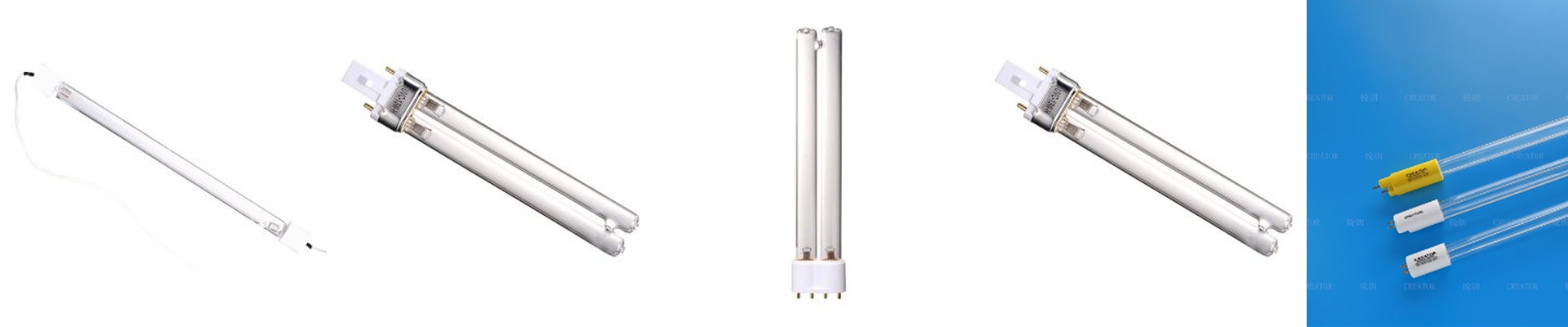
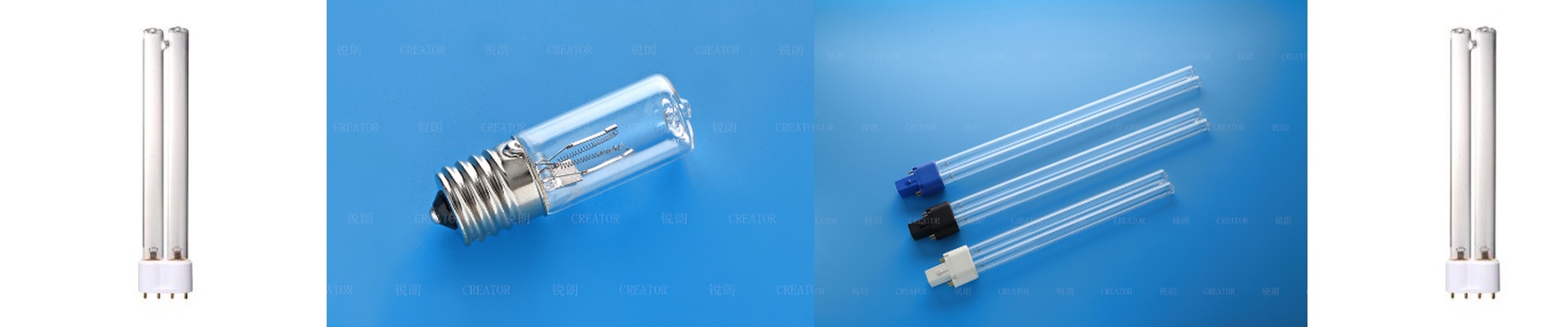
We start with quartz because it handles high heat and transmits UV consistently. Then there’s the halogen fill chemistry, which extends filament life and helps keep output steady over time. Less decay means fewer line re-tunes, which is a relief when you’re trying to keep things moving. Selective coatings manage the spectrum and keep heat contained, so nearby optics and sensors stay protected. On the mechanical side, connectors like R7s and SK15 are about speed and reliability. They’re industrial-grade, built for quick swaps and solid contact even under vibration. That means less downtime during installation and fewer hot spots at the terminals. The whole thing is designed to drop in, wire up, align, and get back to production.
What It Means on the Floor: Efficiency, Heat, and Real-World Wins
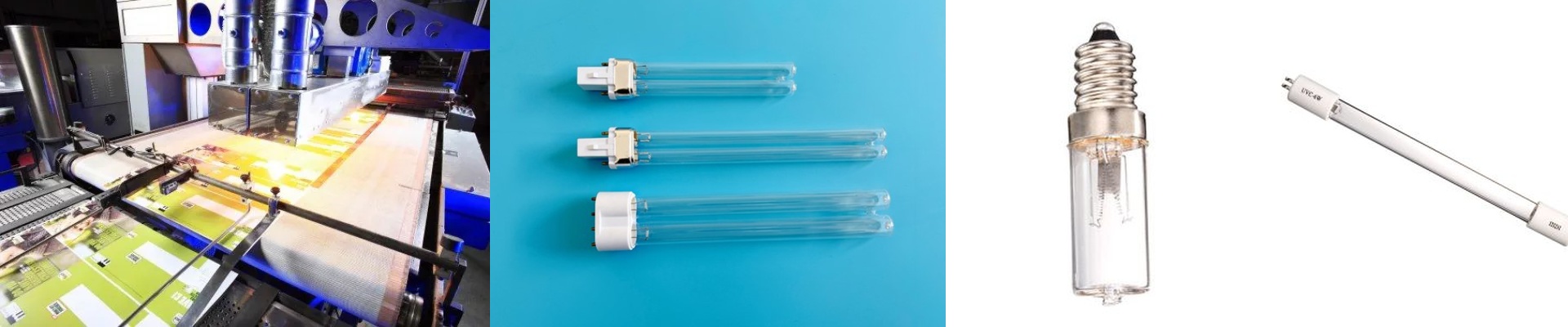
Today, UV does a lot more than basic curing. We see these lamps handling adhesives, coatings, and surface treatments—right in the middle of fast, automated lines. A 400V, 2500W setup gives you fast response, but it also means your cooling system needs to be up to the task. Proper airflow and shielding keep the ambient temperature around the lamp under control. For engineers, the payoff is simple. Stable output cuts scrap. The rugged envelope handles shock and thermal cycling without flinching. And the connector system makes changeovers quick. Just remember: plan your thermal management. Spec the lamp to match the process, and you get repeatable performance that keeps the line running.