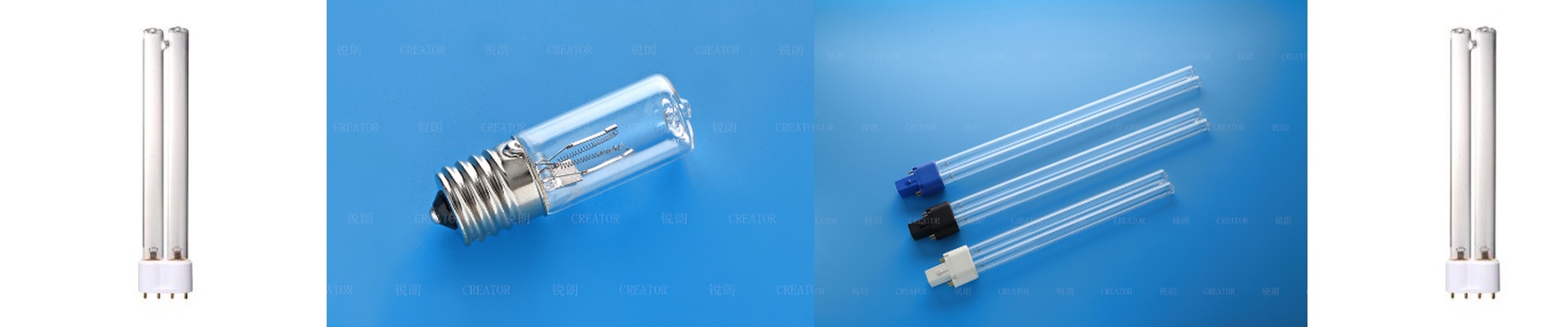
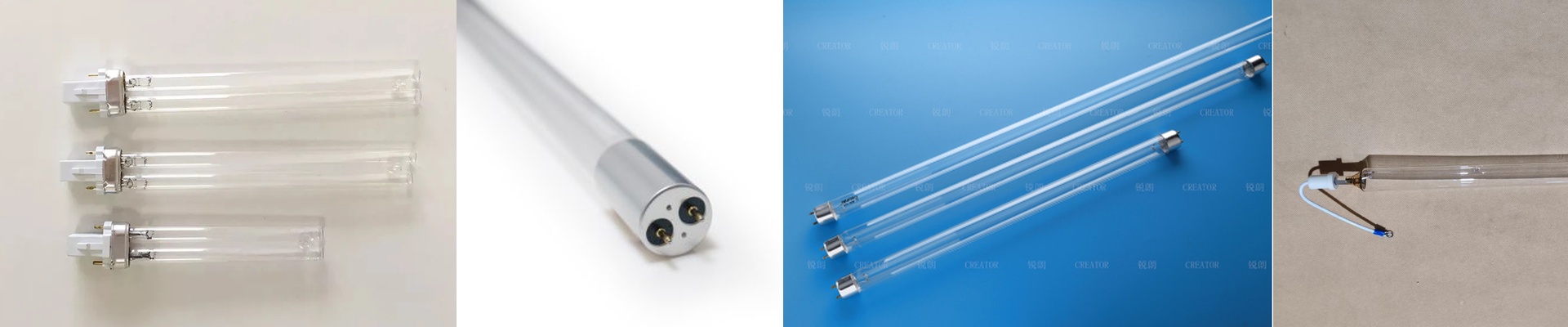
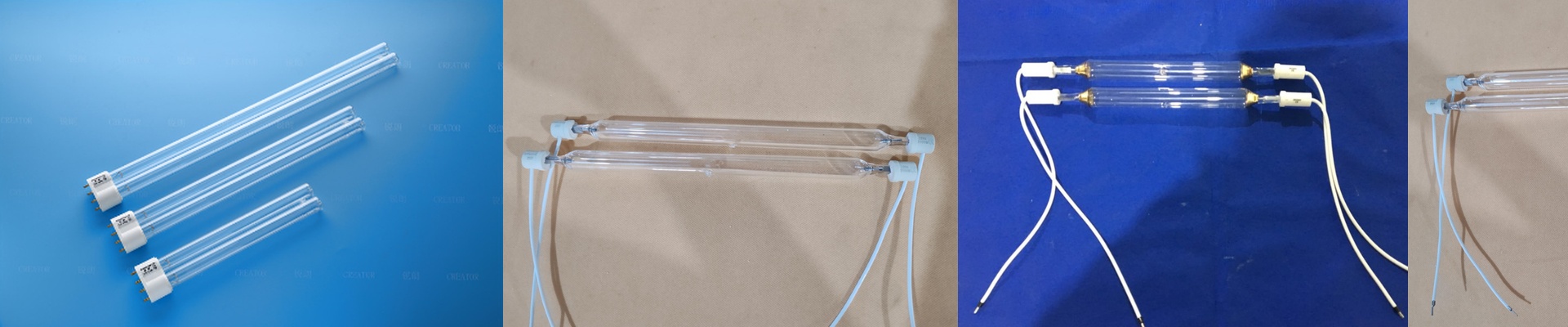
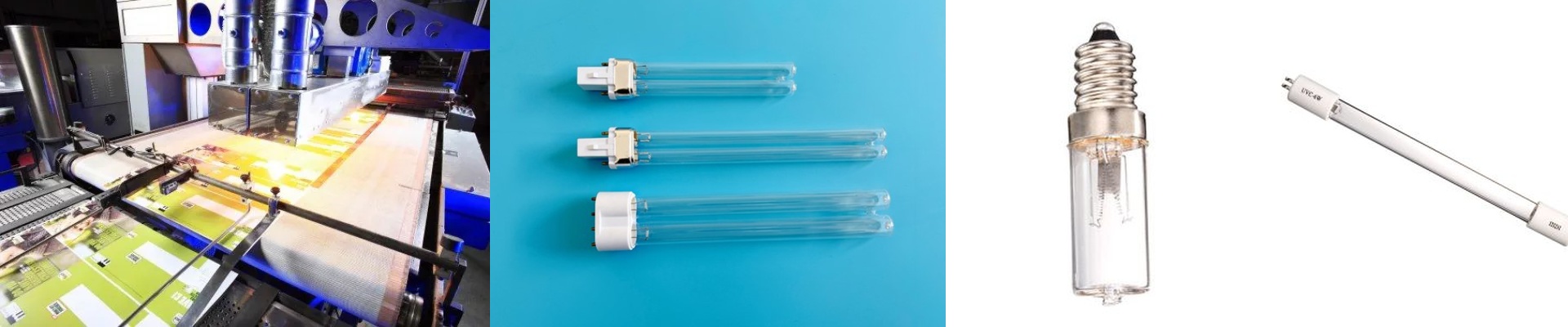
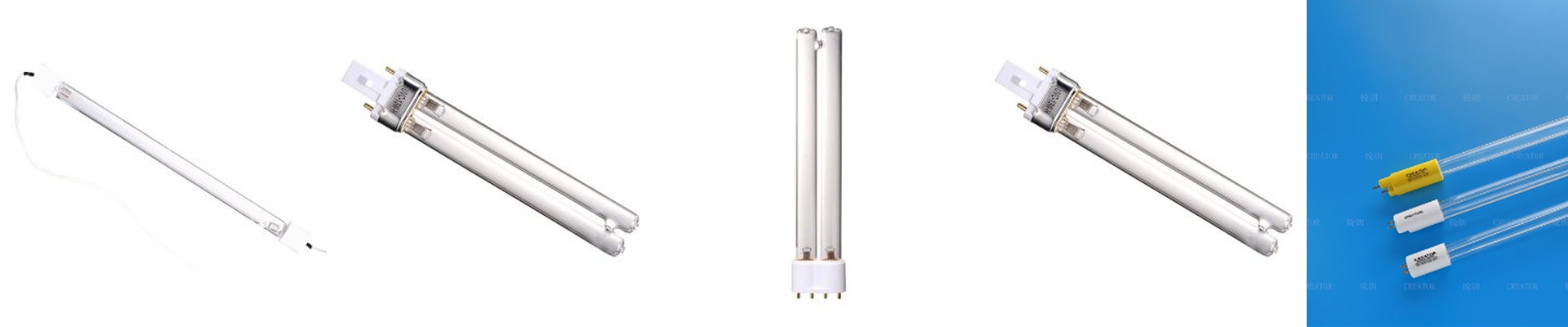
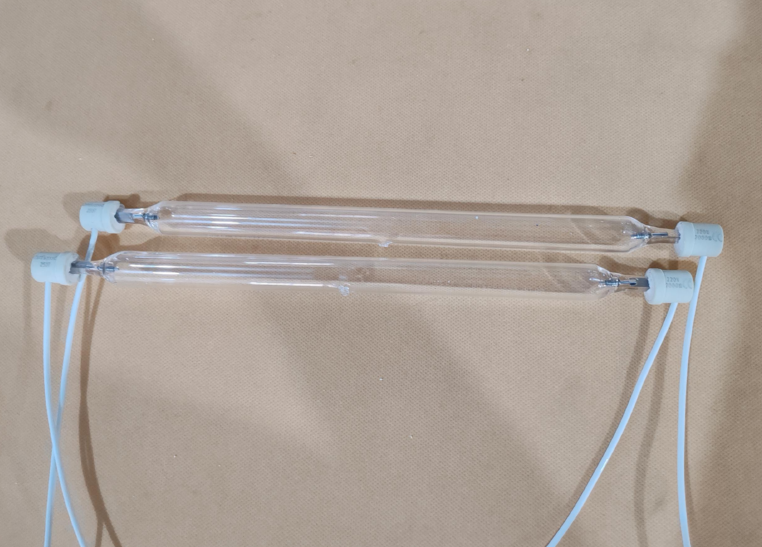
On a production floor where the clock is set by packs per minute, microbial contamination isn’t a hypothetical—it’s a line shutdown. Conventional sanitation eats up time. Chemicals leave behind residues. You need a disinfection method that’s fast, repeatable, and slots into the line without slowing the conveyor. What matters under the hood We build these germicidal UV systems around low-pressure mercury vapor lamps, running in ozone-free quartz sleeves, so the output is dominated by 254nm—right where DNA/RNA absorption peaks. Peak irradiance is engineered to hit the target microbial inactivation at typical mounting distances, and dose is expressed in mJ/cm² so you can run the numbers against specific organisms and surface geometry. Lamp geometry and the reflector assembly shape the beam to put usable intensity where it counts, while keeping output stable over time. We call out lamp life in operating hours, including expected end-of-life output decay, so you can schedule lamp replacement before irradiance dips below your validated dose. Why this plays in food processing You’re disinfecting packaging surfaces, conveyor contact points, and sometimes air streams. 254nm UV knocks microbes down fast, with no heat, so it works on heat-sensitive materials and keeps pace with high-speed lines. The payoff is shorter sanitation windows, fewer chemical rinse steps, and more consistent microbiological control between runs. Power draw is predictable, and because the system is solid-state with no moving parts, uptime stays steady—when the lamp is on, the dose is delivered. Here are the realities you need to plan for UV intensity falls off with distance and gets blocked by grease, water, and shadows, so mounting geometry and clean quartz surfaces are non-negotiable. Validate dose on the actual surface, not at the lamp. And UV exposure is hazardous to eyes and skin—interlocks and shielding are mandatory, and during lamp maintenance, lockout/tagout has to be followed.