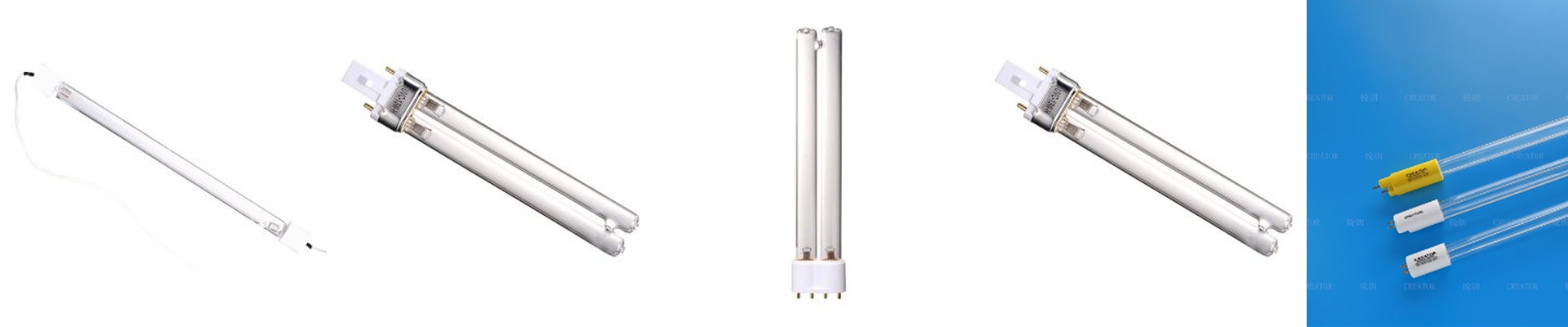
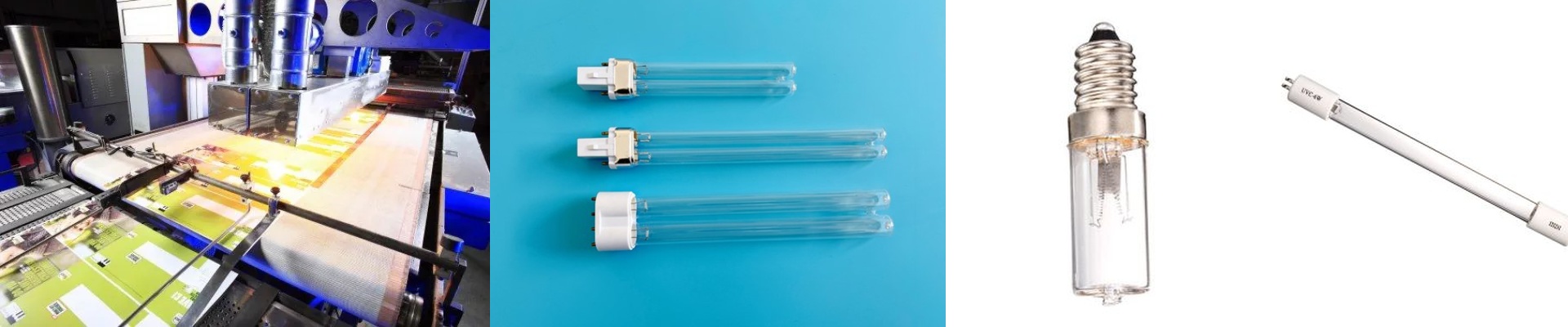
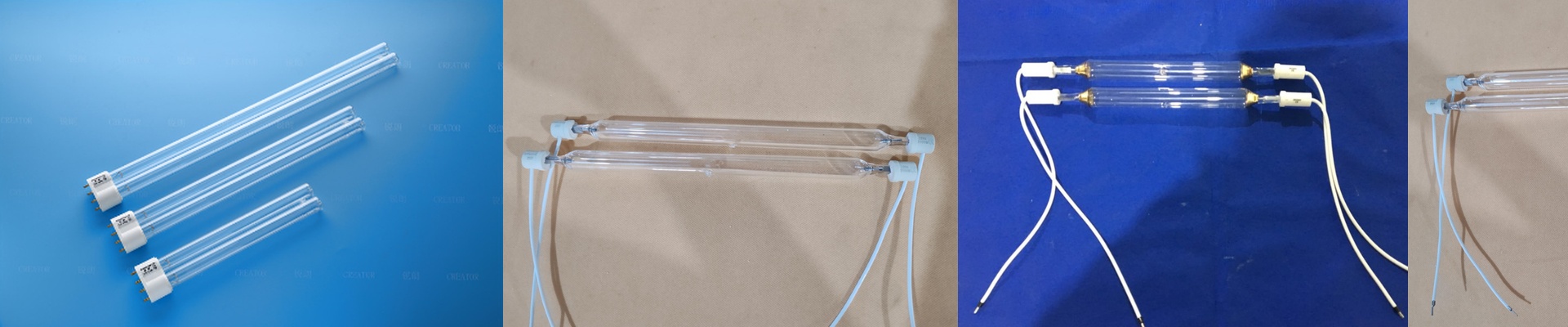
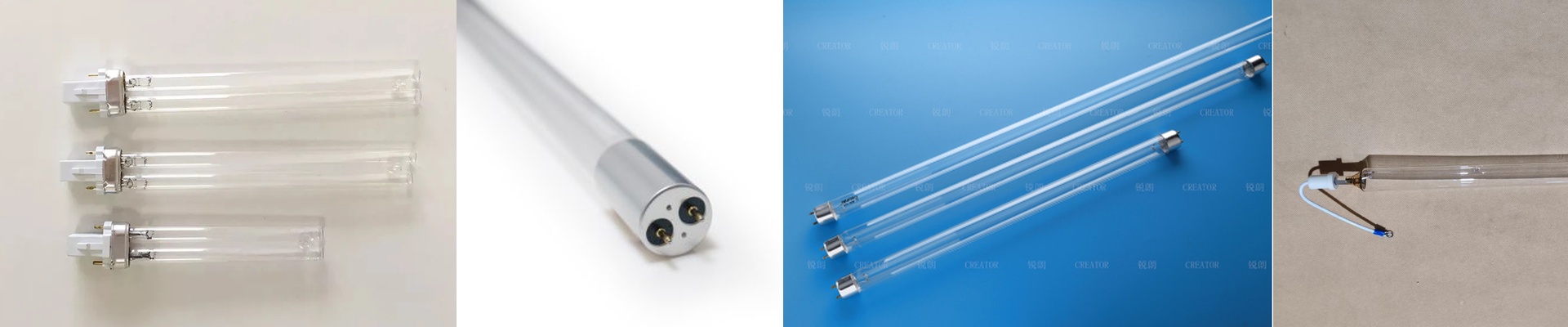
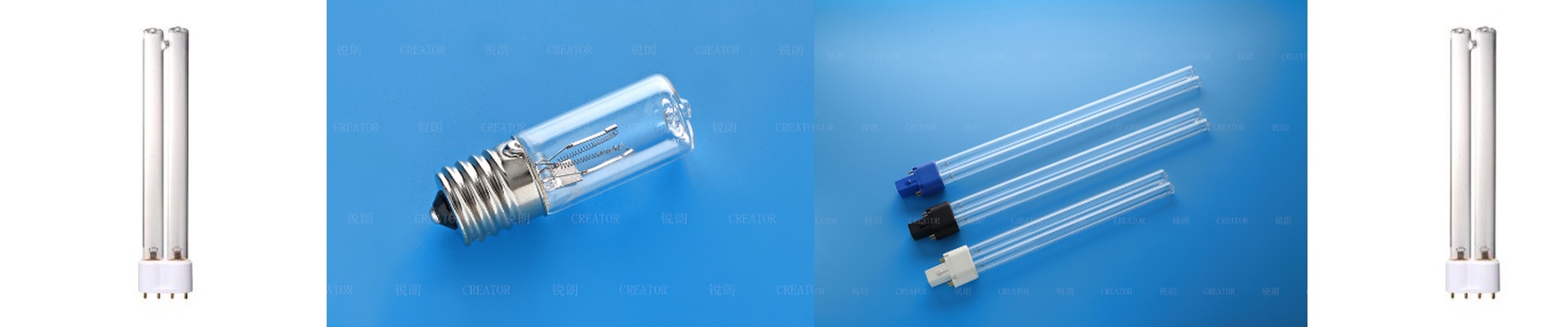
Walk the 2026 show floor and the bottleneck is right there in plain sight: curing that keeps up with the press without cooking the substrate. That’s why the Uvitron UV curing lamp modules drew a crowd—they tackle the actual constraint, not the wish list. Match the spectral output and irradiance to the ink chemistry and the press, and the rest starts to fall into place. What we’re building on, technically We’re running high-pressure mercury vapor lamps with stable spectral output at 365 nm, 385 nm, and 405 nm. Peak irradiance tops 12 W/cm² at the arc center, and you’re still hitting 600–1,200 mJ/cm² on the substrate even on high-speed passes. The reflectors use dichroic coatings to knock down IR heat load by 30–40% while keeping UV efficiency intact. Power density is tuned per module—80 W/cm to 240 W/cm—so you spec the lamp to the dwell window, not the other way around. Why it holds up in real print shops On offset, the lamp stays cool enough to protect thin stocks and keep dot integrity, yet it still triggers the photoinitiators for full cross-linking. On flexo, narrow-web lines see immediate gains: cure faster at 600–1,000 fpm, less blocking, and color density that stays consistent roll-to-roll. On screen, high-pigment inks cure through the film instead of skinning on top, because the spectral profile penetrates rather than reflecting off the surface. The result is fewer rejects, lower energy per impression, and lamp life that stacks up in thousands of hours with controlled output decay. Here are the details that matter on the floor Matching lamp length, arc gap, and connector to your curing station isn’t optional. Verify reflector geometry and shutter clearance on-site—tight housings will clip irradiance at the edges before you even know it. And if you want ozone-free operation, make sure the airflow is adequate; stagnant air around the lamp pushes temperature up and drifts cure uniformity. Bring your radiometer. We calibrate each module to a documented spectral curve so you can confirm dose on the first run.