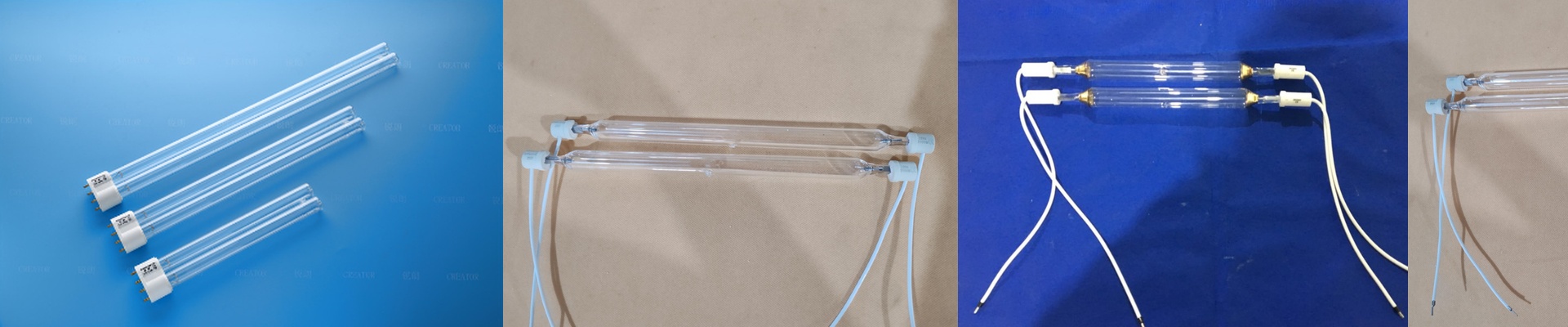
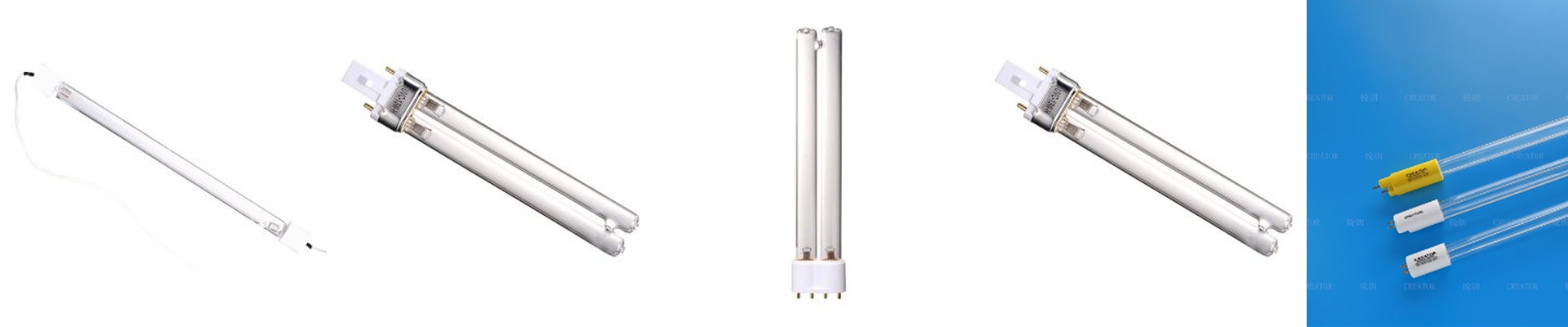
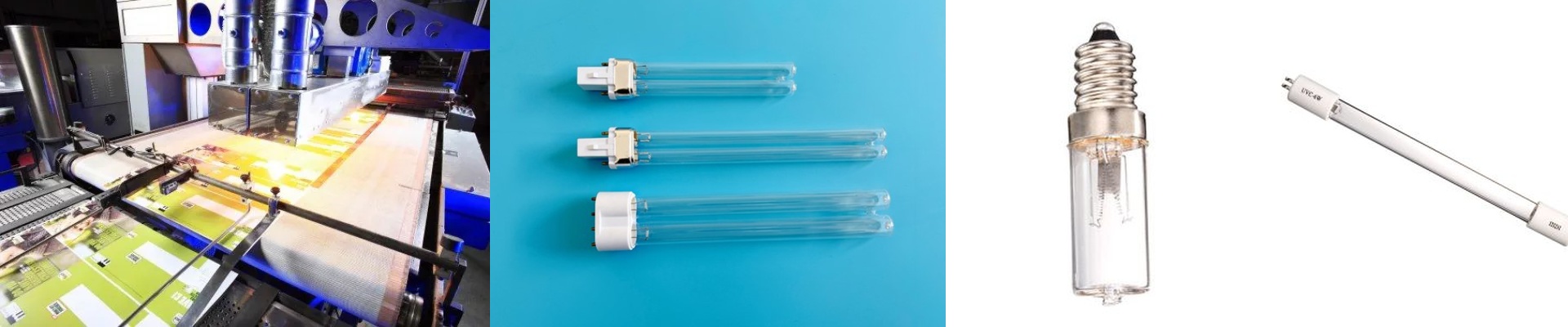
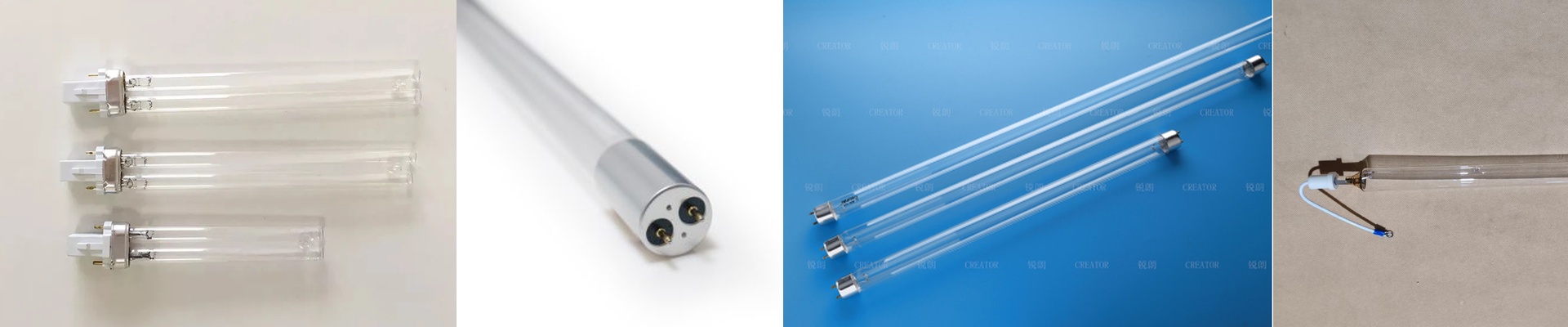
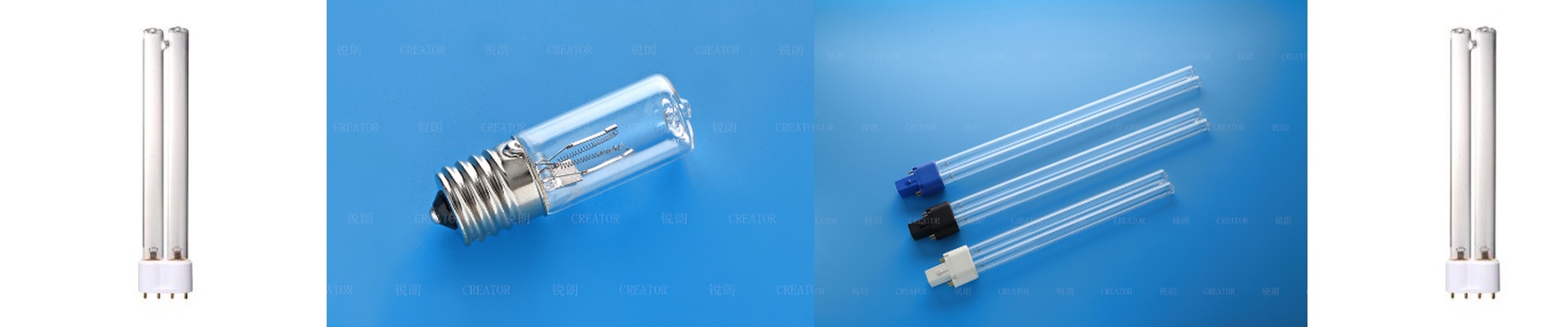
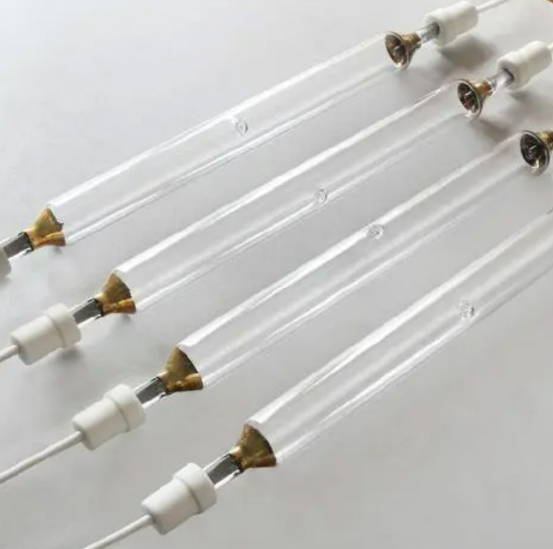
On a high-volume screen line, the clock starts the second the ink hits the substrate. Any lag in cure breaks the rhythm—tack builds up, registration drifts, and you’re making scrap. If you want true spray-and-dry performance and keep the press running at full speed, you need a UV lamp system built for fast response, not just big wattage. What actually matters under the hood UV curing is a photochemical reaction: the photoinitiators in the ink absorb specific wavelengths and cross-link instantly. A high-pressure mercury vapor lamp gives you a broad spectral output, with strong peaks at 365 nm, 313 nm, and 385 nm. In the real world, the 365 nm peak does the heavy lifting for most standard UV inks, while the 313 nm line helps on thick deposits and white inks. But “instant cure” isn’t about peak power alone. It’s about peak irradiance at the substrate plane—measured in mW/cm²—and the delivered energy density, in mJ/cm². A reflector with a high-reflectivity dichroic coating focuses the output and keeps wasted heat from messing up the process. And fast ignition plus stable arc behavior matter just as much: the lamp has to strike reliably and hold output within tight tolerances across thousands of on/off cycles. Why this setup fits continuous screen printing On a continuous screen press, the substrate is moving at a fixed rate. You need the lamp to hit target irradiance quickly after startup and recover immediately after each pause. A system with rapid thermal stabilization keeps spectral output consistent, so the cure is uniform edge-to-edge without overcuring. The payoff is steady throughput, less waste at setup, and consistent color and adhesion—especially on heat-sensitive films, where excess IR would otherwise cause distortion. The details that keep you out of trouble Match the lamp spectrum to the ink’s photoinitiator window. If the wavelengths don’t line up, you’re throwing away energy and slowing the cure. Then confirm reflector geometry and focal distance so you get the required energy density at your line speed. High-power UV lamps throw off a lot of heat, too. Make sure airflow and shutter mechanisms are aligned, and use ozone-free quartz envelopes when ventilation is tight. And when you’re tracking lamp life, watch output, not just hours; output decay happens before failure, and it directly hits cure consistency.