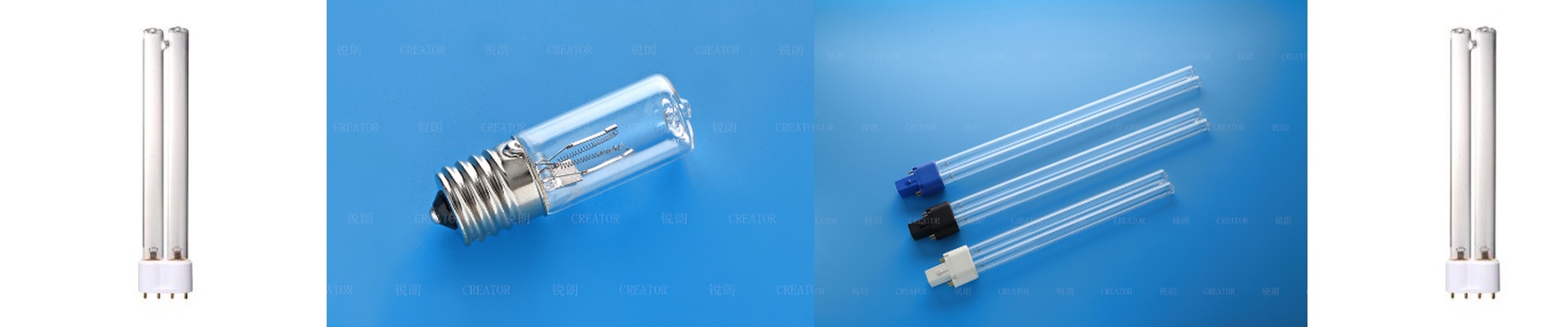
On a car paint finishing line, a mismatched UV lamp doesn’t just burn energy. It forces you to chase marginal cure at high speed. You know the signs: topcoat still tacky after the dryer, or clear that goes brittle and fails adhesion. The fix starts with matching the lamp to the machine’s power curve—not the other way around.
Power, spectrum, and cure
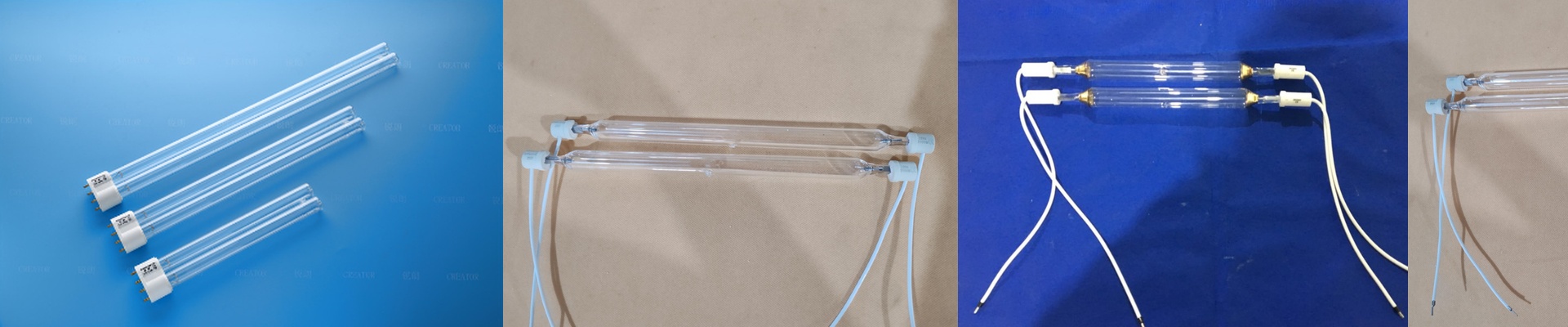
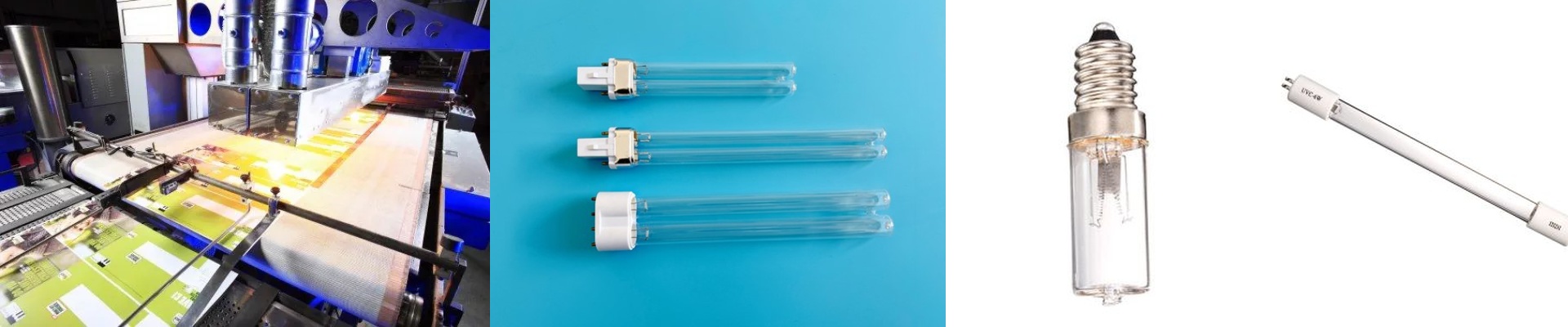
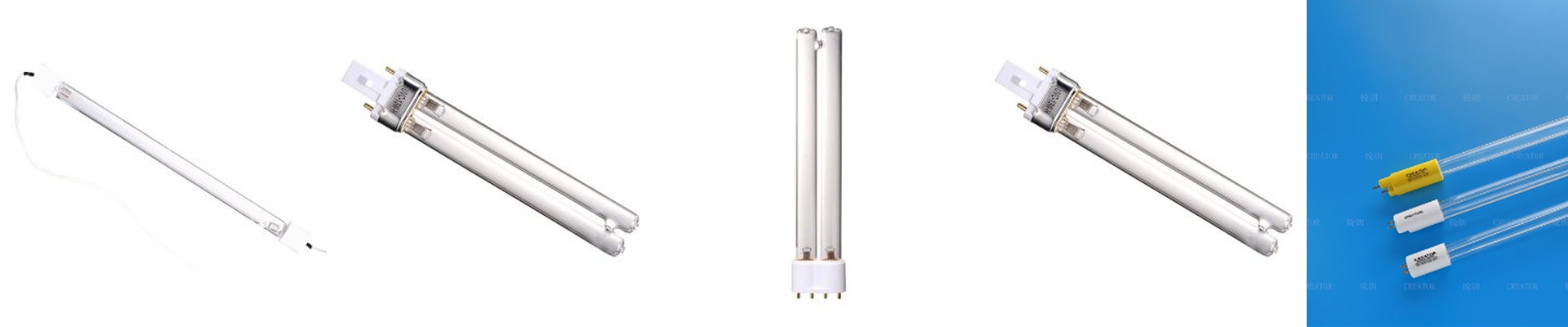
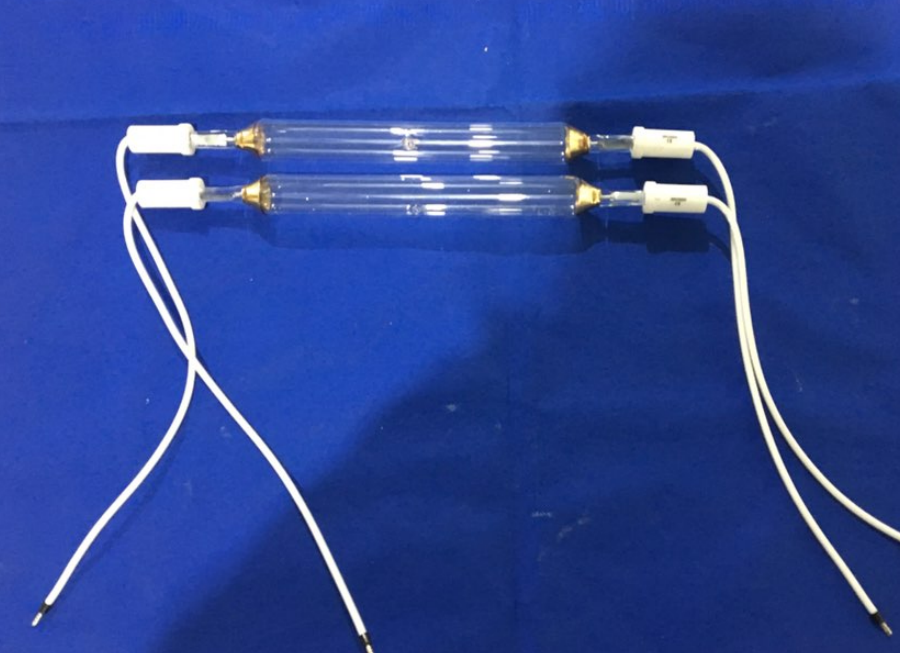
Our UV curing lamp for car paint runs on a high-pressure mercury vapor source, tuned so the spectral output peaks at 365nm. That’s what delivers the photon density modern clear coats and pigmented bases need to activate the photoinitiators. Peak irradiance at the substrate plane exceeds 12W/cm², giving you 800–1200 mJ/cm² in a single pass at typical line speeds. We set the electrical parameters with purpose. Internal voltage is adjustable so we can match the arc power to your existing ballast and machine profile. That keeps the lamp in its designed current window, instead of forcing it into a curve that doesn’t fit. Reflectors use dichroic coatings to cut IR heating and keep the energy in the UV band where cross-linking actually happens.
Make it fit, then make it stable
Getting the lamp to work isn’t just about physical fit. It’s about making the electrical behavior a true drop-in for your press or coater, so cure repeats shift after shift. When we dial the internal voltage to your specific power curve, spectral output stabilizes. You stop under-exposing the edges of the web, and the cure window stays wide enough to handle normal thickness variation in ink or coating. The payoff: fewer rejects, consistent gloss and hardness, and line speeds you can plan around—without pushing the lamp past its thermal limits.
Installation, compatibility, and limits
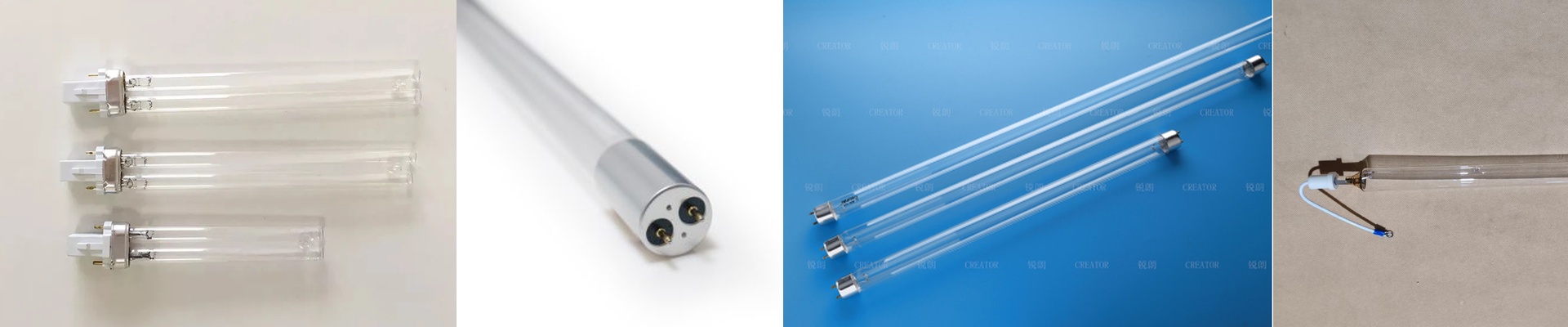
This lamp is built for ozone-free operation, with quartz envelopes and proper cooling. But it still needs precise reflector geometry and substrate distance to hit the stated irradiance. Before you bolt it in, verify connector type, lamp orientation, and cooling airflow against your machine footprint. Expect stable output over 3,000–5,000 hours. Even so, if the host system’s ballast or reflectors degrade, the delivered cure dose will drift. Schedule periodic checks with a spectral radiometer, and keep spare lamps aligned to the same electrical tuning settings.