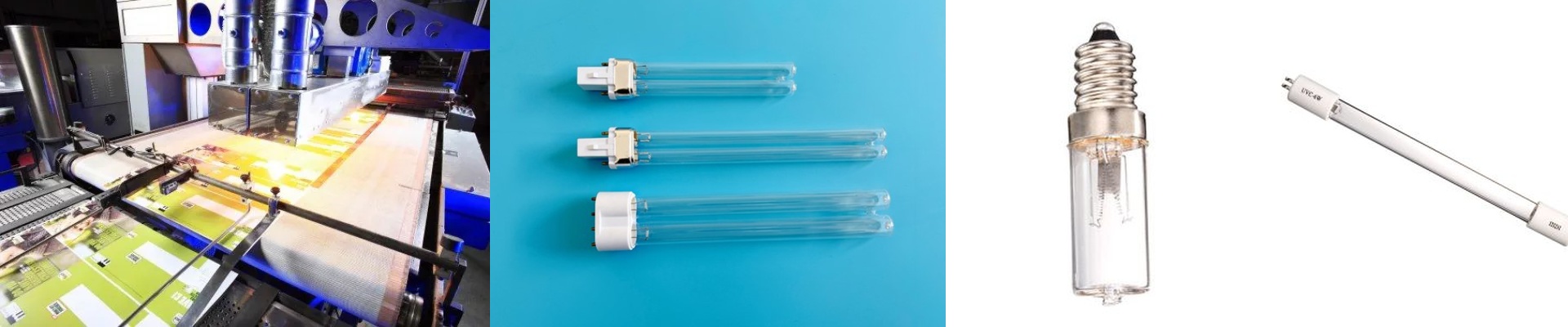
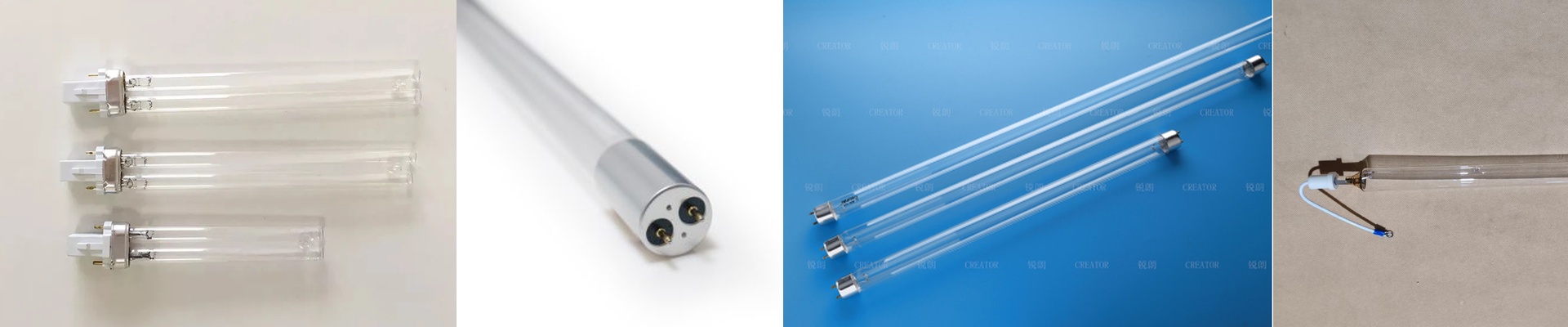
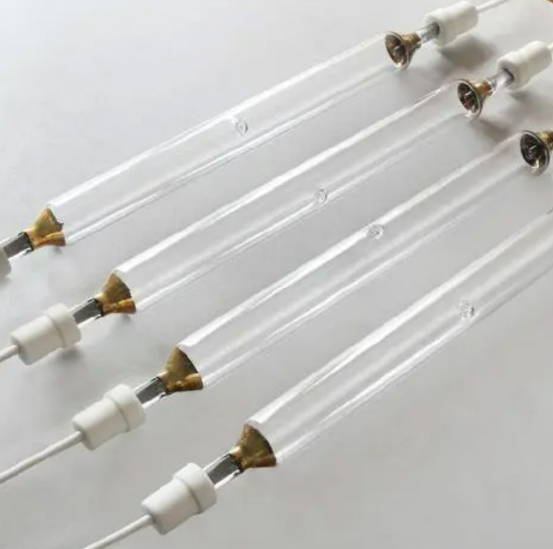
On a high-speed garment line, downtime is expensive—but rework is worse. When ink stays wet, it transfers, smears, and builds up on the stack. Then the line stops. The real question isn’t whether UV curing belongs here. It’s whether the lamp delivers the photon flux you need, in the right spectral band, for the dwell time you actually have.
What matters, technically
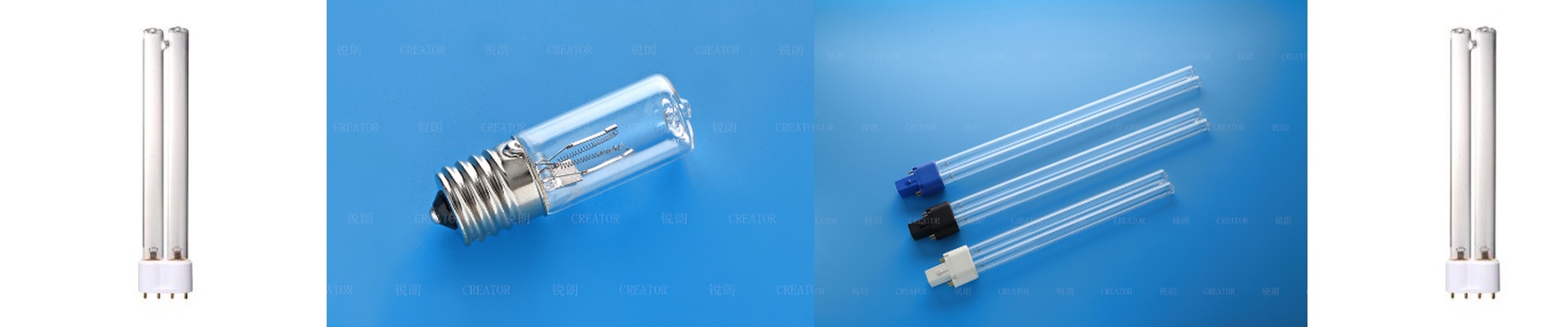
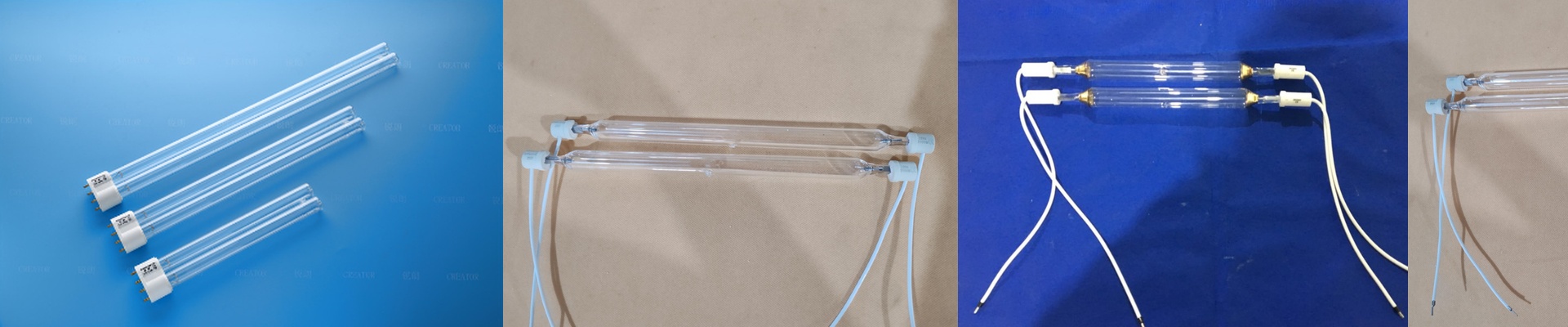
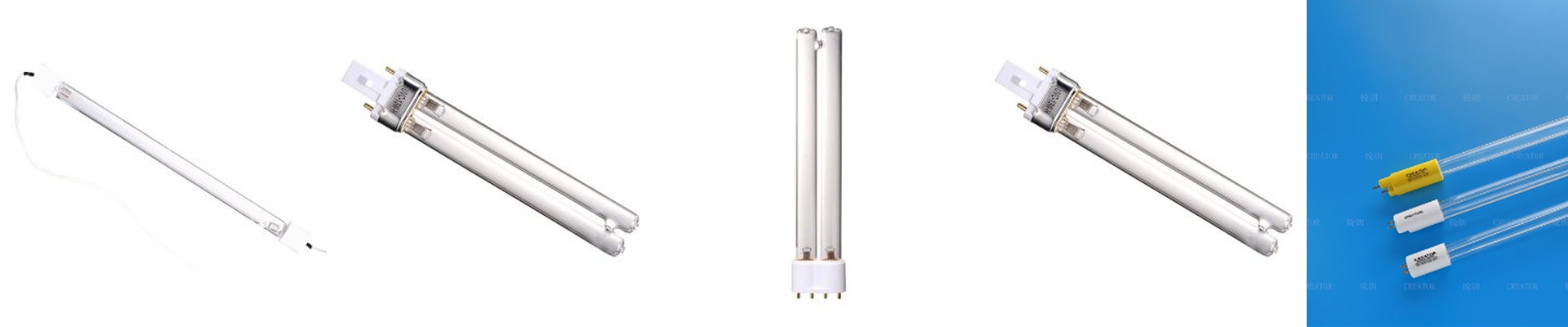
We build the UV lamp around two things: the photoinitiator chemistry in the ink and the press geometry. For most acrylate systems, a high-pressure mercury vapor lamp makes sense because it gives stable, broad-band output. The spectral profile needs to peak where it matters—strong output around 365 nm for deep cross-linking, plus enough 385–405 nm to finish the surface cure without overheating the substrate. Then you set peak irradiance at the web so the delivered energy density (mJ/cm²) clears the ink’s requirement inside the exposure window you have. Power density, reflector geometry, and the dichroic coating are all matched so the dose stays repeatable across the full lamp life.
Why this works on a textile line
High-speed textile printing doesn’t give you minutes to cure. You need the ink to set in seconds. With a lamp profile matched to the press, you can run faster without losing cure throughput. The ink gels quickly, then cross-links fully, so you can stack and fold immediately. That means fewer smears, less off-registration from handling, and more completed jobs per shift. Energy use stays in check because the optical system puts usable UV where the ink needs it, instead of dumping heat into the frame and the air.
The details that bite you
Matching lamp output to dwell time is non-negotiable. Short dwell? You need higher peak irradiance. Longer dwell? You can back off the power and stretch lamp life. Expect a warm-up period before spectral output stabilizes. And when you check cure, measure at the substrate surface with a radiometer—not at the lamp. **Reflector alignment and cooling airflow matter just as much.**Misalignment kills delivered dose fast, even when the lamp still looks bright.