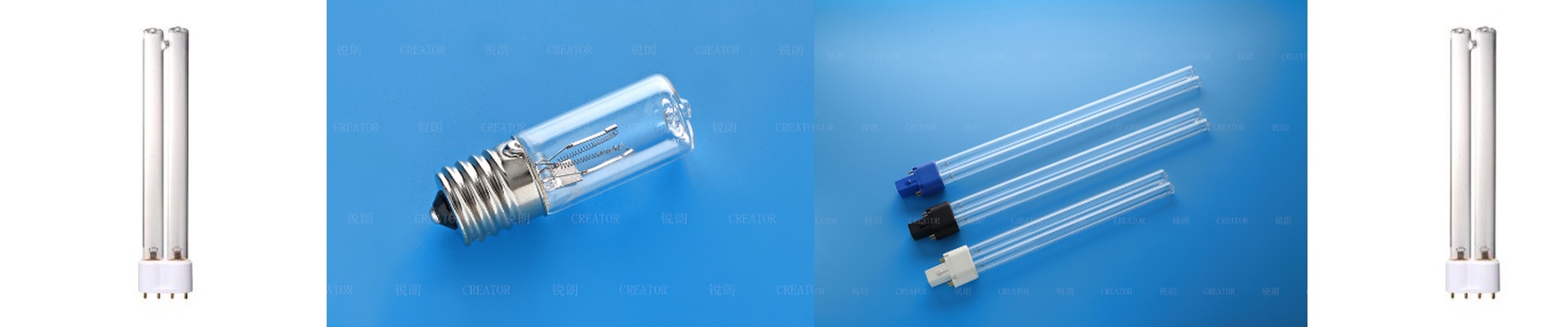
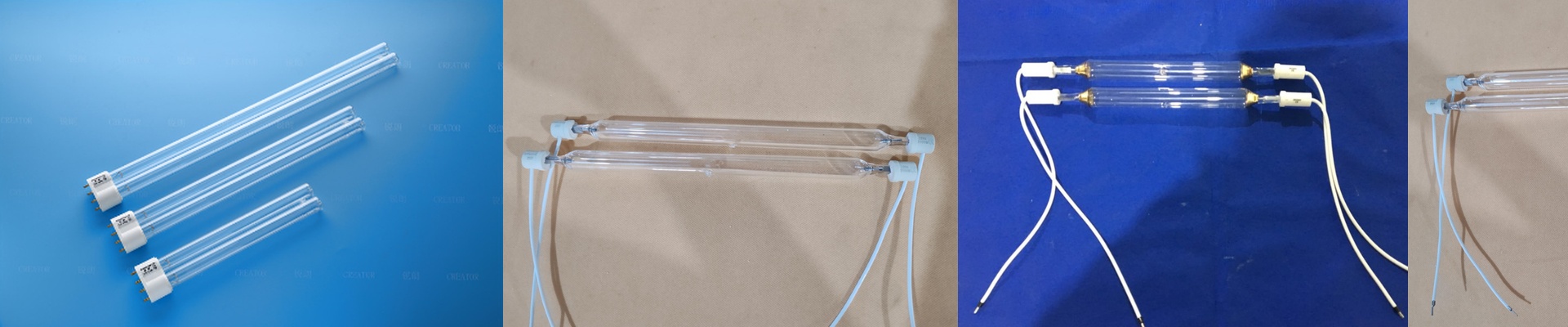
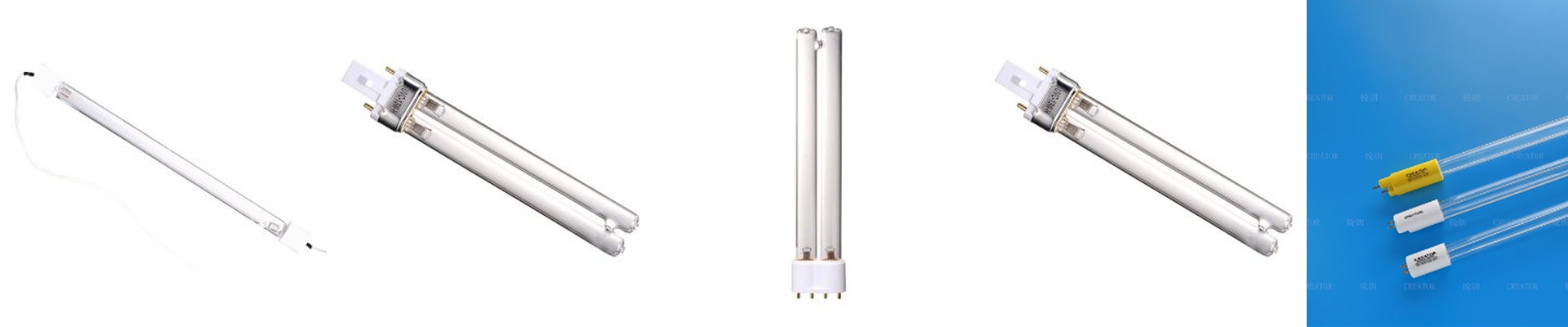
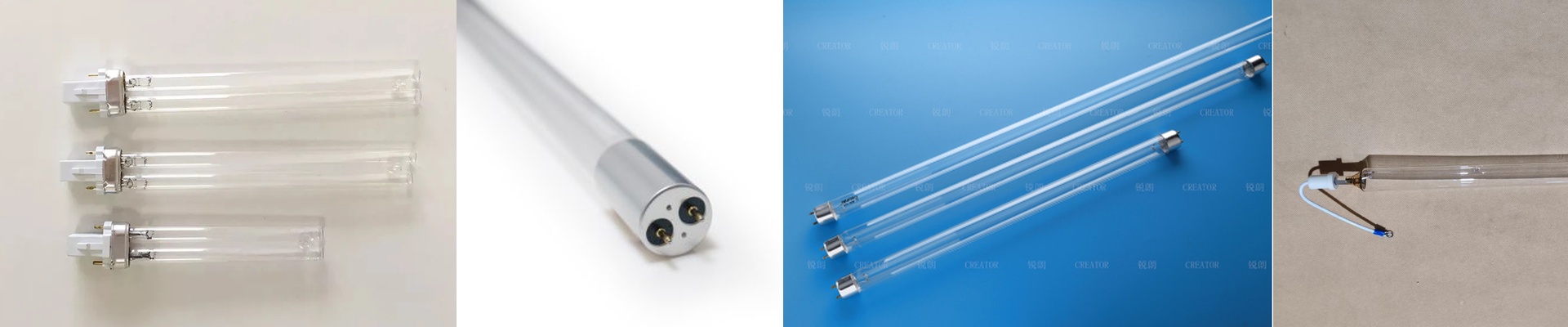
Gallium Iodide Lamps, Built in China: Smart UV Power You Can Run—and Track—Remotely
We make gallium iodide lamps for industrial lines that need serious, repeatable UV power. The kind you can count on, shift after shift. And here’s the kicker: you can see exactly how the lamp is performing without stopping the whole line. In our China factory, we build each lamp around a rock-solid quartz arc tube, fine-tuned halide chemistry, and a remote energy-monitoring setup. So you can watch the real-time numbers—no guesswork, no interruptions.
Power, Voltage, and Size: Why These Details Actually Matter
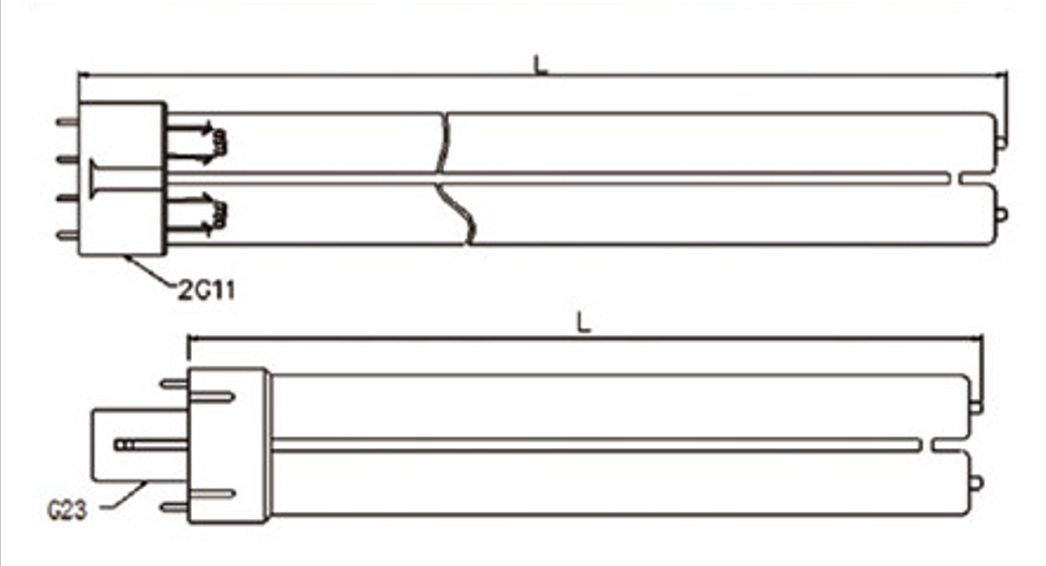
Let’s be clear: a gallium iodide UV lamp isn’t just a bulb. It’s a thermal-electric part that has to fit your machine perfectly—electrically and mechanically. We match the wattage to the UV intensity you need and the cure speed you want. Then we pair it with the right voltage so it plays nicely with your ballast and power supply. If you’re running 400V, you get a design that can handle higher arc power without pushing the current past your system’s limits. And the length? Not random. It shapes the irradiance profile and decides whether the lamp sits right in the reflector with the correct gap. When you order from us, you’re getting a defined heat-and-light package that lands in a specific footprint. The trade-off is simple: more power density means faster curing, but it also means more heat. So your cooling—airflow, heat sinking, and reflector design—has to be up to the job. It needs to keep the lamp and the surrounding parts at safe temperatures.
What It’s Built From: Quartz, Halides, and the Right Connector
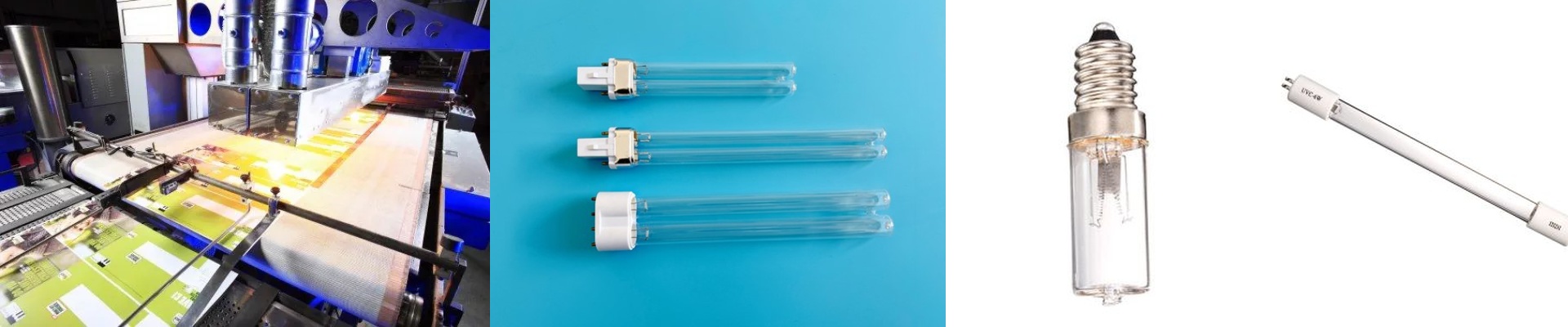
We use quartz for the arc tube because it handles the intense internal heat and lets UV through cleanly. The gallium iodide chemistry keeps output stable and gives you better control over the spectrum. That matters when you’re curing coatings or welding plastics—because overheating is how defects sneak in. The coating isn’t an afterthought. It’s chosen to tune the output and shield the quartz from environmental stress. And the connector—whether it’s R7s, Sk15, or another industrial fit—makes replacement quick. It locks in position, keeps contact resistance steady, and cuts downtime when it’s time for maintenance.
Who It’s For: Repeatable Performance, Less Guesswork
This setup is for engineers who want heating and curing that behaves the same way, day after day. With remote energy monitoring, you get the real operating story: runtime, power draw, and trends in output stability. That means you can plan maintenance around the lamp’s end-of-life instead of scrambling after an unexpected line stoppage. Whether you’re running PET blowing, printing, coating, or other UV-driven processes, the combo of stable chemistry, a tough quartz envelope, and a serviceable connector means the lamp can take the grind of a running line—and still deliver consistent output. Wire it in, and you’ve got a system that’s easier to maintain, easier to check, and easier to keep running exactly as it should.