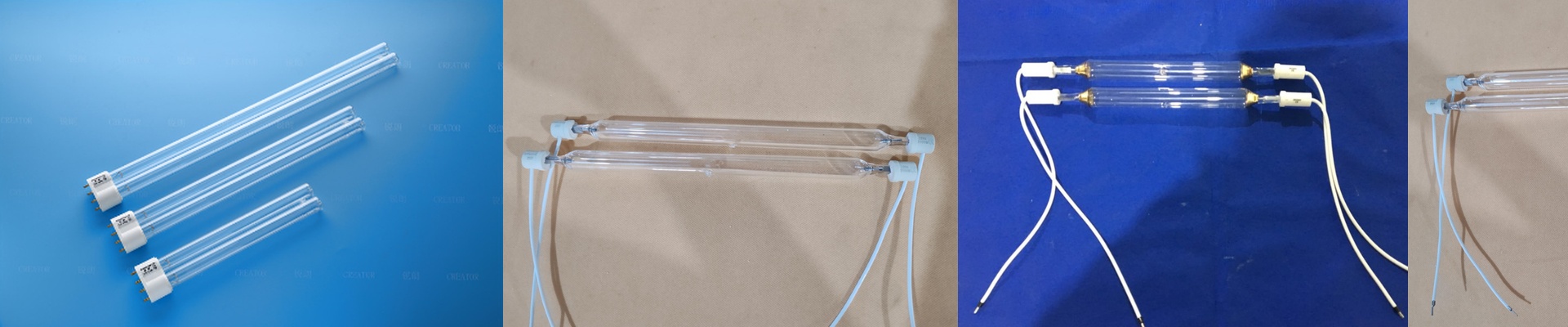
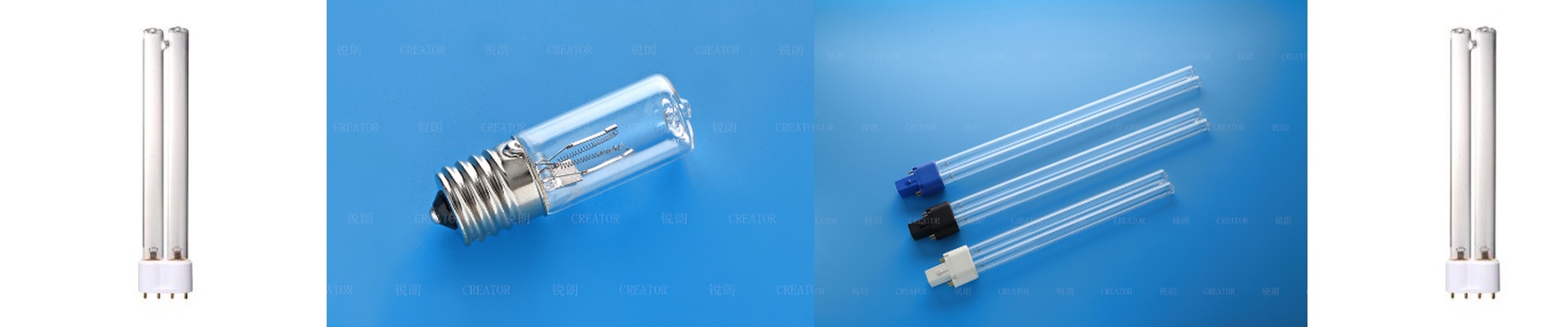
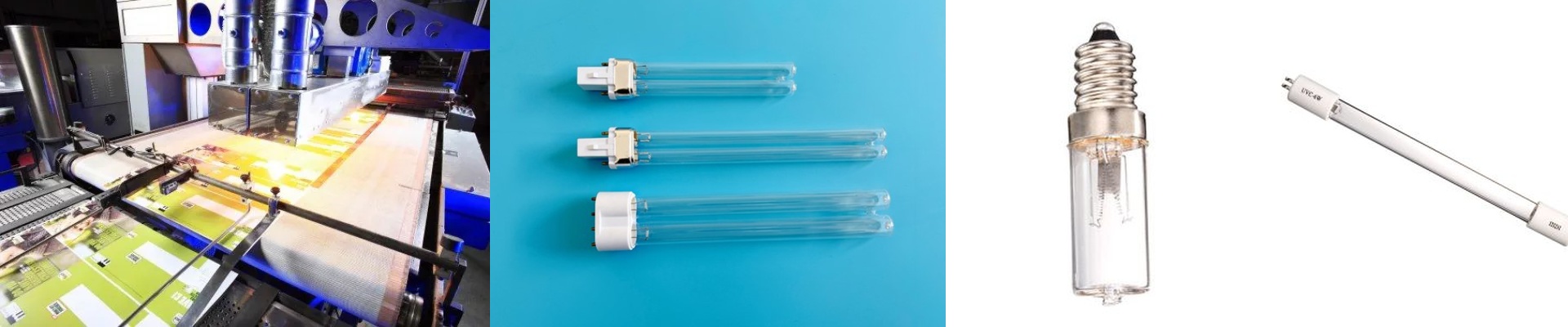
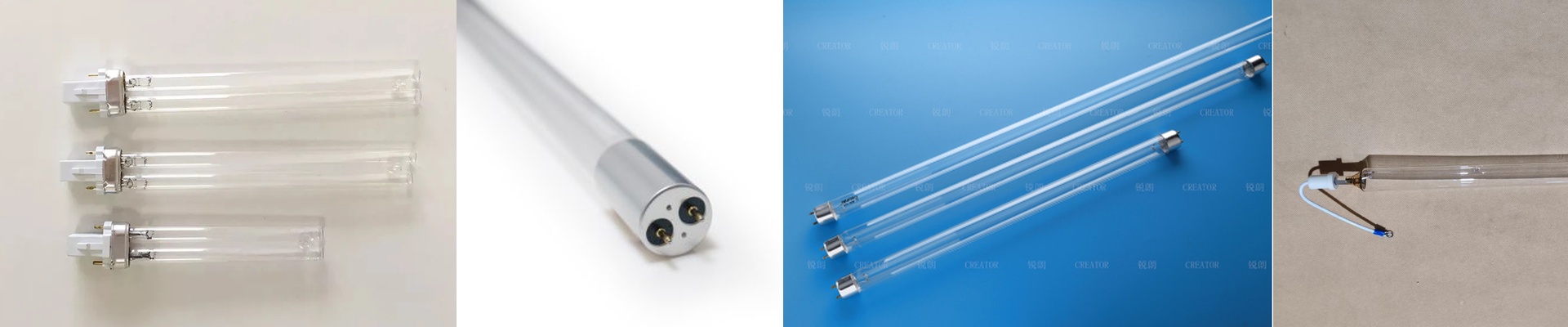
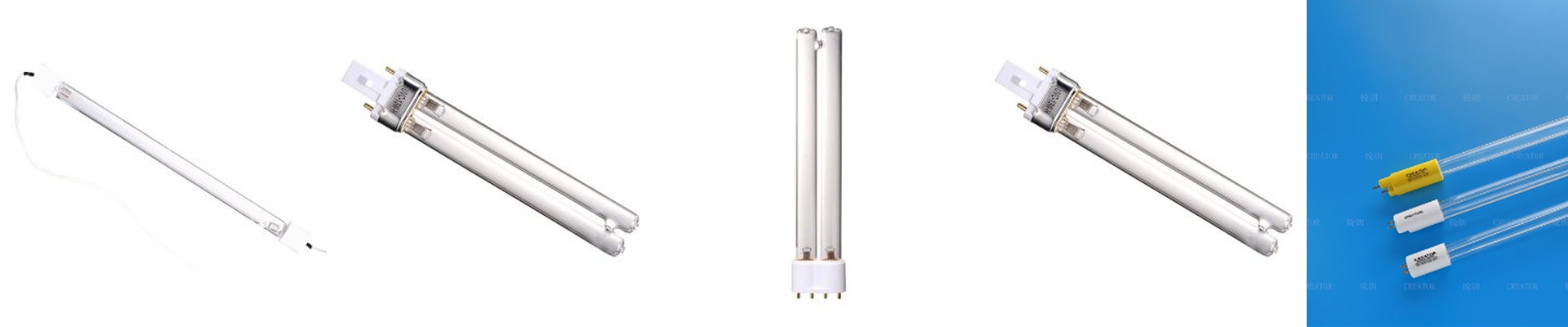
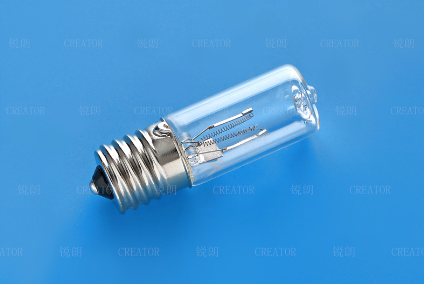
On the press floor, downtime and uneven cure eat margins faster than anything. When the UV system isn’t pulling its weight, you get incomplete cross-linking, adhesion failures, and the scrap that follows. We built our replacement gallium UV lamp to put the spectral output back where your ink chemistry expects it. And if the curing performance doesn’t match big-brand lamps at the same price point, we refund the whole thing. Here’s what actually matters: the match between the photoinitiator absorption and the energy delivered. Our gallium-doped arc tubes hold a stable 365nm peak—the dominant wavelength for most UV offset, flexo, and screen inks. Peak irradiance stays high, so the photoinitiator activation window is short and repeatable. You can run faster without cooking the substrate, because the reflector uses dichroic coatings to shape the spectrum and cut wasted IR. Light output stays flat over the life of the lamp, so you’re not chasing setpoints by cranking power and risking heat on sensitive materials. Stable energy density is the reason this works in practice. Fewer rejects. Faster cycle times. You get consistent surface cure and through-cure on coated stocks, plastics, and metalized substrates, with less drift as the lamp ages. The system is more efficient, turning electrical input into usable UV output, and the ozone-free design eases the ventilation load and cuts maintenance. Before you order, confirm reflector geometry and arc length. Mismatched reflector efficiency will rob irradiance even with the right lamp. Check connector type and water-cooling compatibility with your lamphouse, and make sure the power supply matches the lamp’s ignition and operating parameters. Then measure cure with a radiometer and lock in the process window.