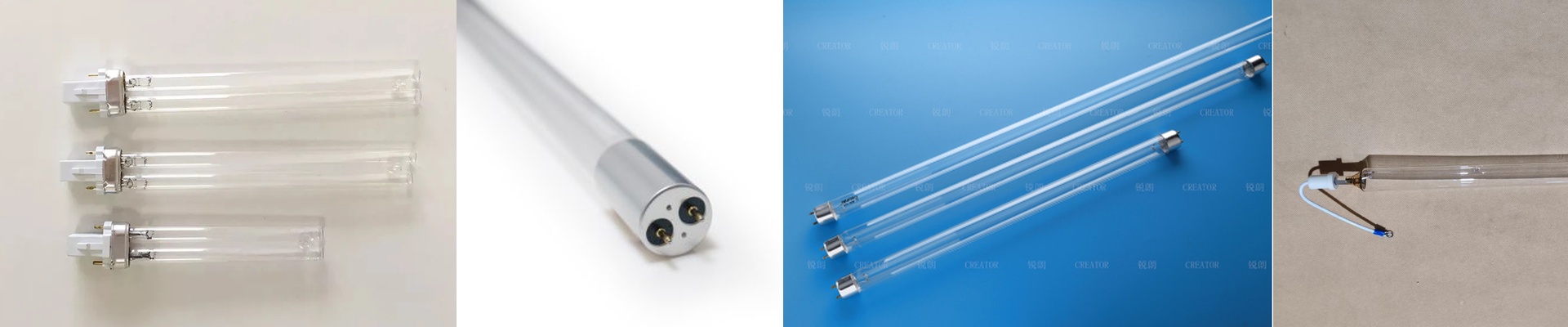
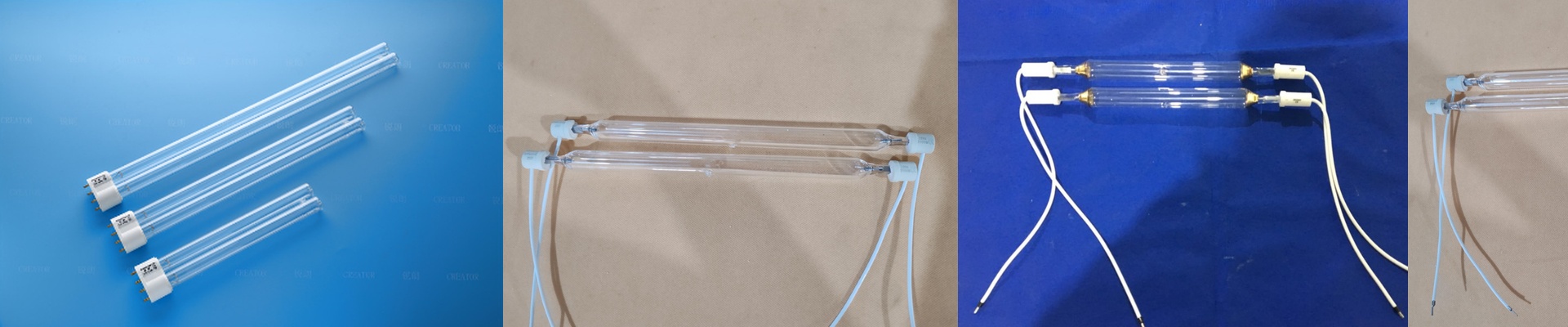
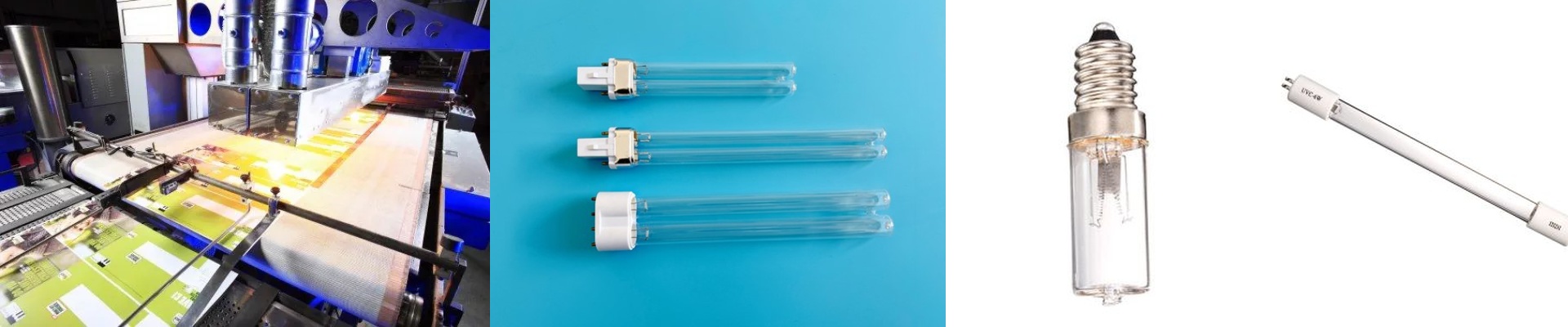
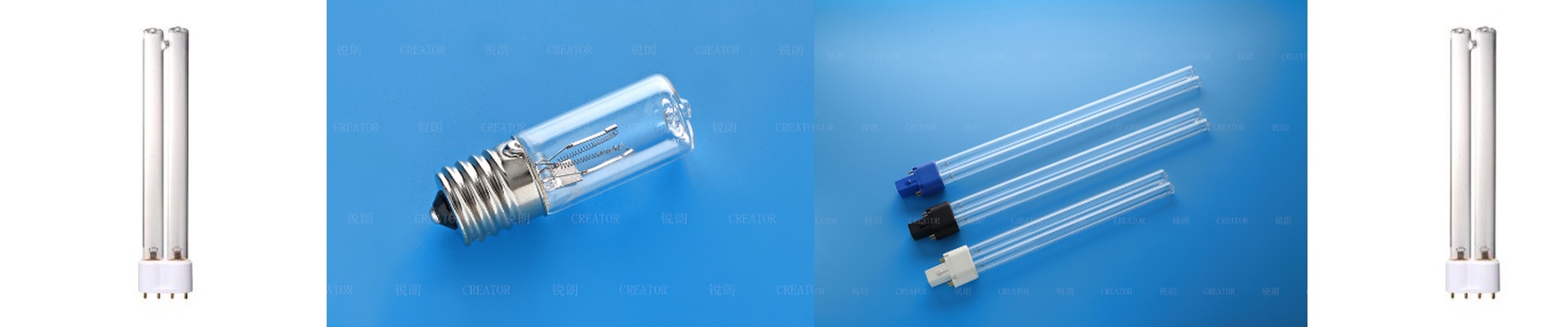
Out on the press, thick-layer printing falls apart when the UV only cures the top. The surface can feel dry, but the base stays uncured—tacky, weak, and ready to block. That’s why penetration depth matters. Peak irradiance at the very top tells you only half the story. What actually matters technically Thick-layer UV inks and coatings need photoinitiators that absorb across a broad spectral band, with real punch around 365nm from high-pressure mercury vapor lamps. A penetration-focused lamp keeps the spectral output stable down through the ink column, so photons reach the bottom and drive cross-linking. We care about stable output over the lamp’s life, consistent arc stability, and a reflector geometry that holds dose uniformity across the web. Peak irradiance alone is meaningless if the energy density at the base sits below the ink’s cure threshold. Why this works in real production In thick-layer flexo and screen, you don’t just need the lamp to hit a number at the surface—you need enough mJ/cm² at the base. High penetration takes the pressure off cranking up press speed just to avoid surface tack, and it cuts scrap from under-cured layers that later crack or delaminate. The payoff is repeatable cure at production speeds, fewer rejects, and a lot fewer reprints. Here are the practical details that bite back High-output lamps run hotter, period. Match lamp power and cooling to your machine’s airflow and reflector housing, and double-check the physical fit and electrical interface before you bolt anything in. You extend run-time when you monitor lamp output and replace on a curve—output decay is real. And if you want ozone-free operation, you have to get the venting right and keep the reflector clean.