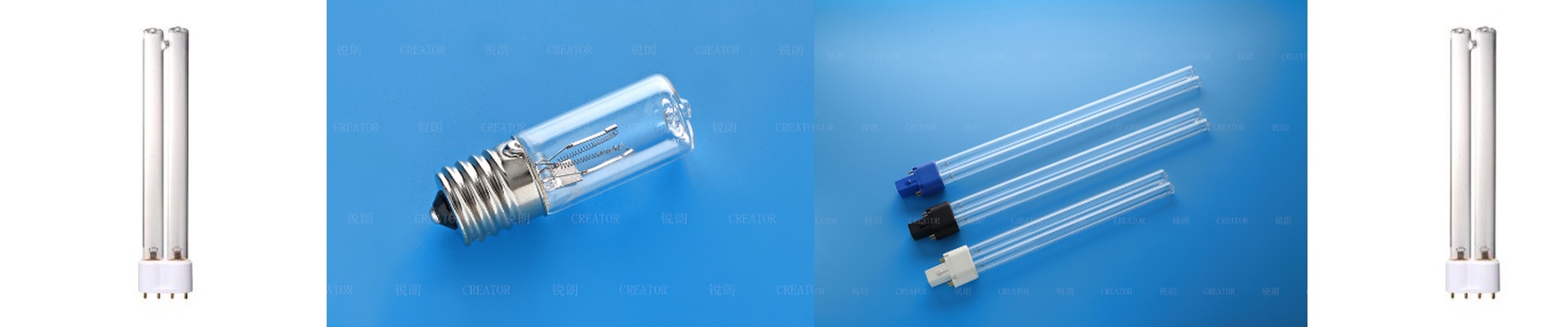
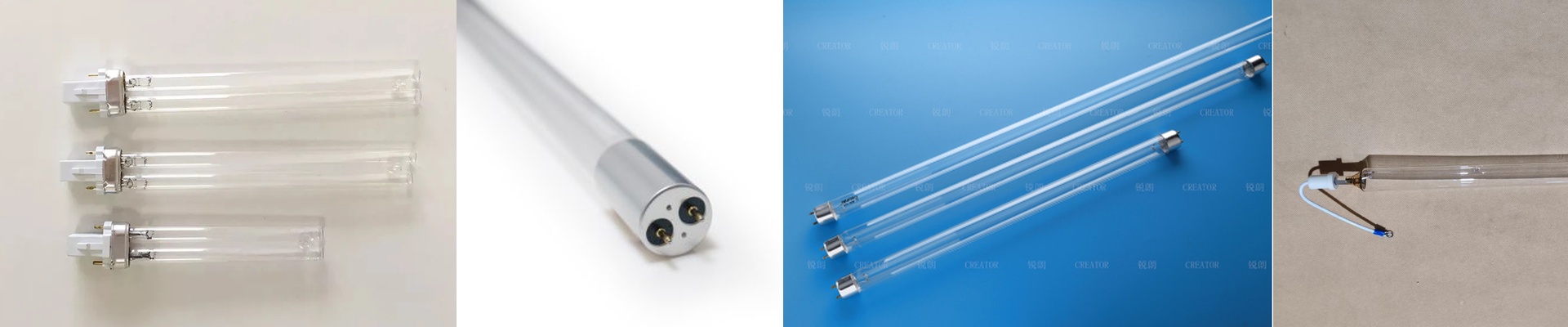
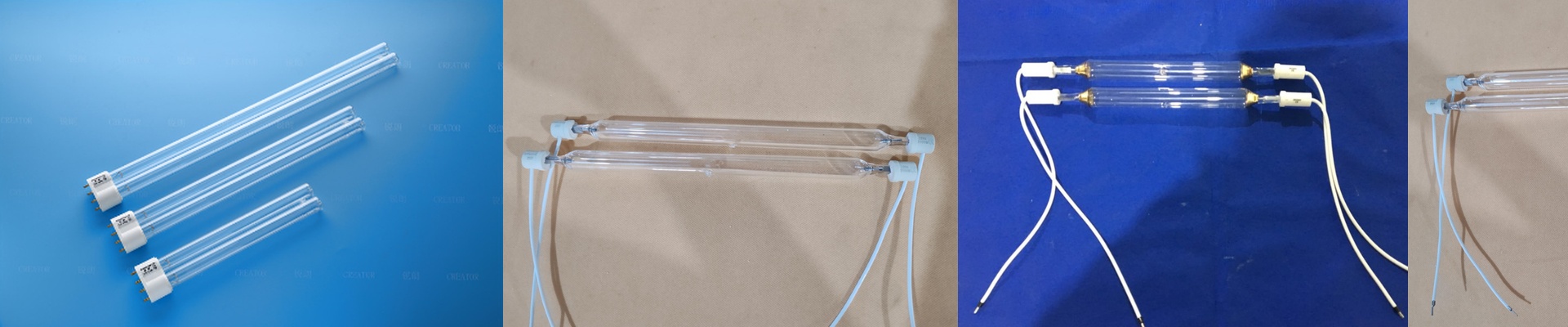
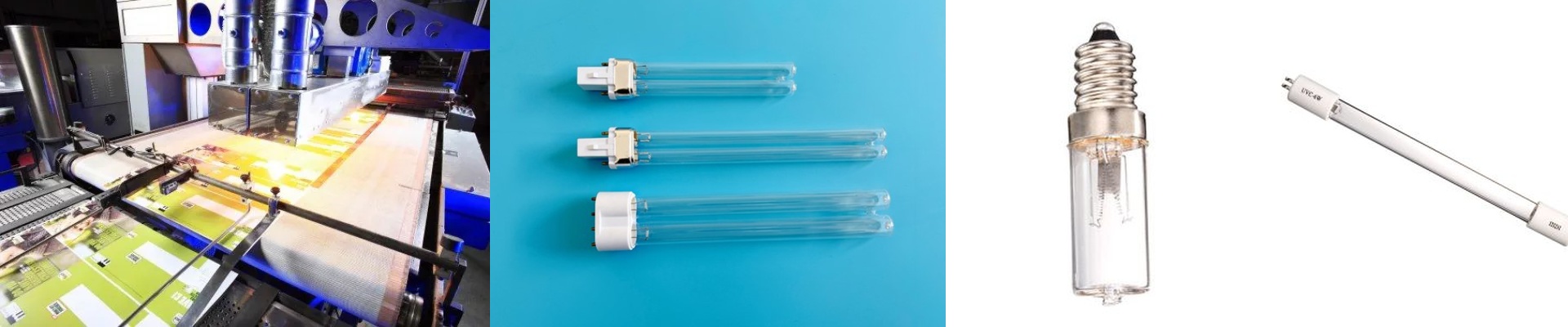
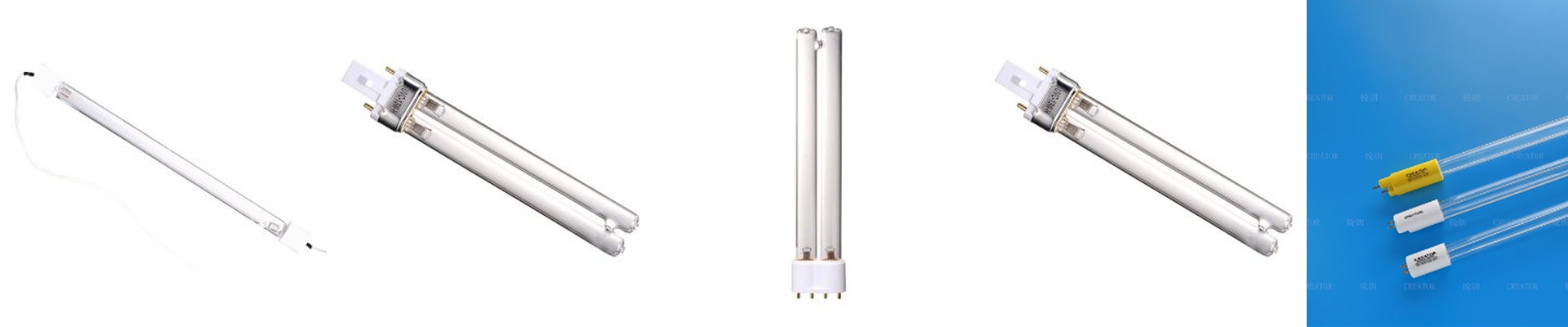
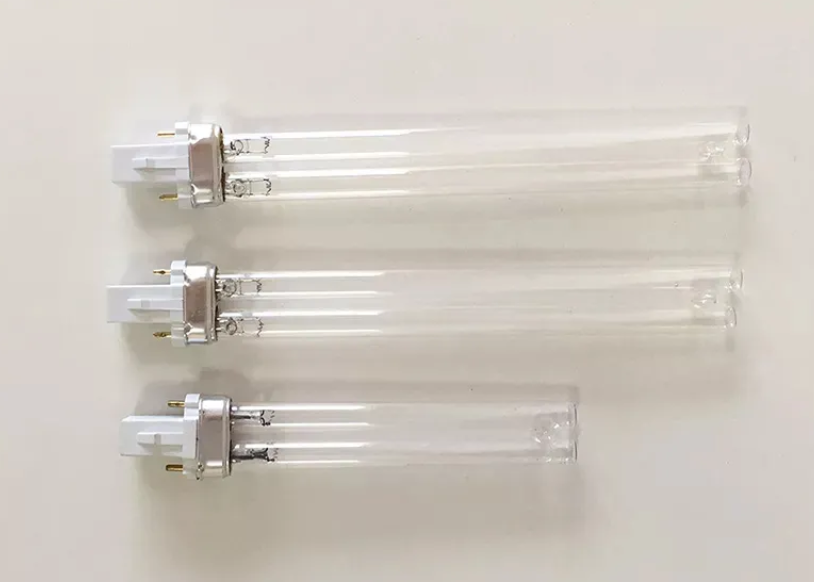
Out on the press floor, a cure that falls short isn’t just downtime. It’s substrate down the drain, color drift, and adhesion that fails when the job ships. Get the photons right—at the right wavelength and dose—and the press runs the way it’s supposed to. We build our UV lamps around that reality, so your line speed leads the process, not the other way around. What actually matters under the hood UV curing in production is physics, not opinion. We spec high-pressure mercury vapor lamps with a strong 365 nm line for deep through-cure, backed by 313 nm and 385 nm to match the photoinitiator absorption you see in flexo and screen inks. Keep peak irradiance above 800 mW/cm² at the substrate, and you’re delivering 500–1200 mJ/cm²—right in the window most high-speed printing needs. Dichroic-coated reflectors shape the spectral output and push heat away from the web, while the quartz envelope holds output steady over long hours. Plan on 3,000 to 5,000 hours of stable run time, with light-output decay under 5%, verified against a calibrated spectral radiometer. Why this plays in offset, flexo, and screen Your real constraint is curing at full speed without blocking or migration. Predictable spectral output means predictable cross-linking, so dot gain stays under control and ink laydown holds across the run. High peak irradiance shortens exposure, which lets you run faster while keeping heat off thin films. Longer lamp life also cuts changeouts, which means fewer spares on the shelf and less scheduled maintenance. The upshot: fewer rejects, color that stays consistent, and energy use that tracks to the required mJ/cm² instead of overruns. The shop-floor details you can’t skip Match the lamp output to the ink chemistry and the substrate. High-pigment inks often need more punch at 365 nm; thin films need tighter heat control to avoid distortion. Double-check reflector alignment and substrate distance—get those off and you can lose effective irradiance faster than the lamp ages. Our lamps are ozone-free, but the 254 nm line still makes heat, so airflow has to be clean. Set up proper filtration and thermal management, and you protect the lamp and the press at the same time.