Introduction
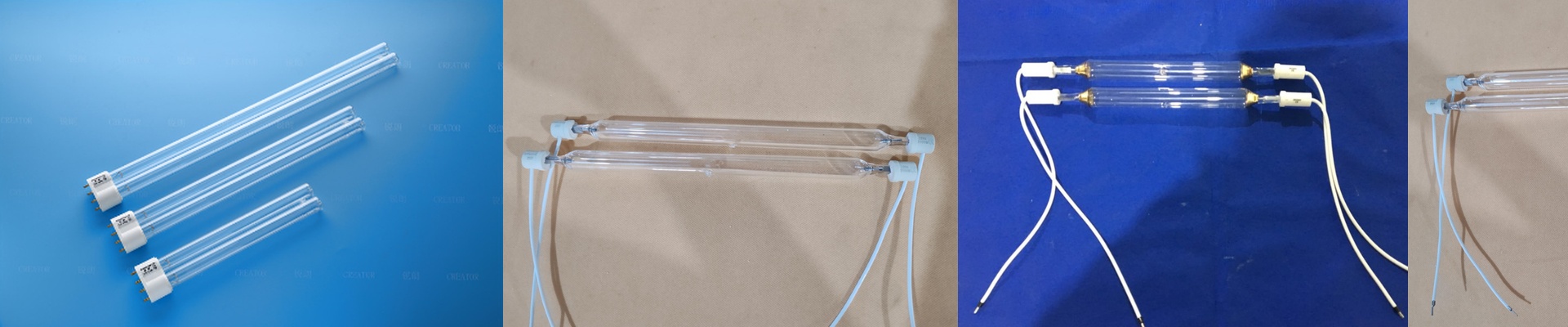
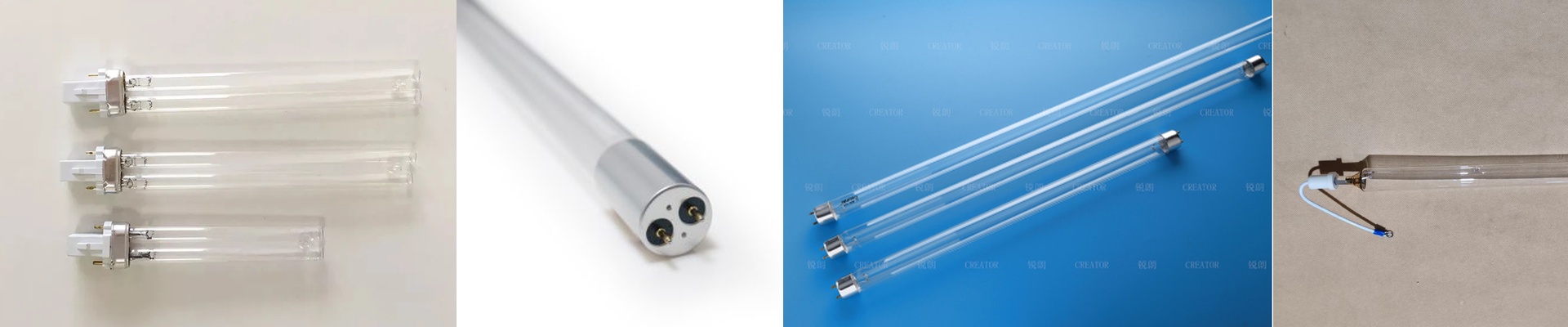
Let’s cut to the chase. We built this long-life mercury UV curing tube for engineers who absolutely can’t afford things to go sideways on the line. The whole point? Keeping that specific UV wavelength rock-solid, shift after shift, even when your curing line is running at top speed.
The Nitty-Gritty
Here’s the thing—we didn’t just chase raw power. We focused on hitting the exact spectral output that photopolymer chemistry needs. It all comes down to keeping the arc temperature and pressure stable. That’s how you get a consistent peak wavelength, every single time. We matched the power and voltage to the arc length and electrode geometry so the performance is predictable. No more crossing your fingers every time you swap in a new lamp.
What’s Inside
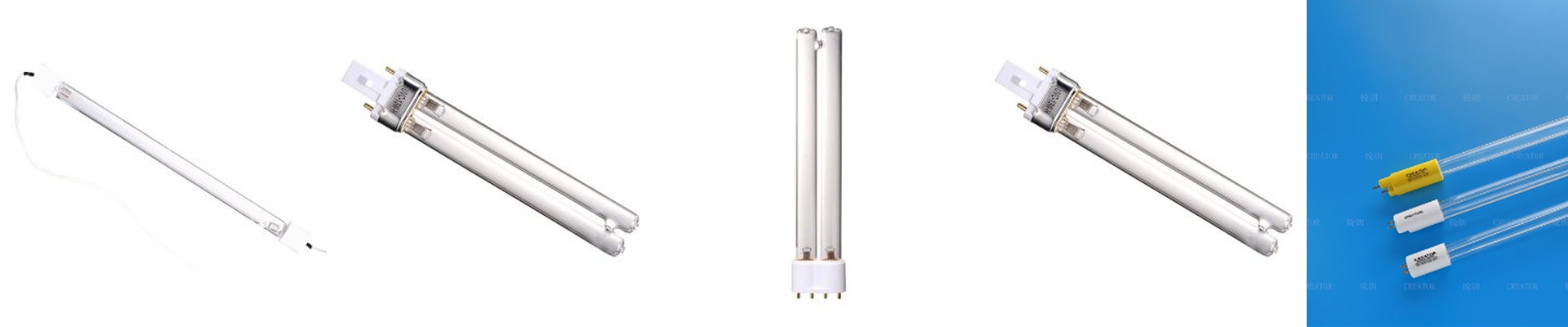
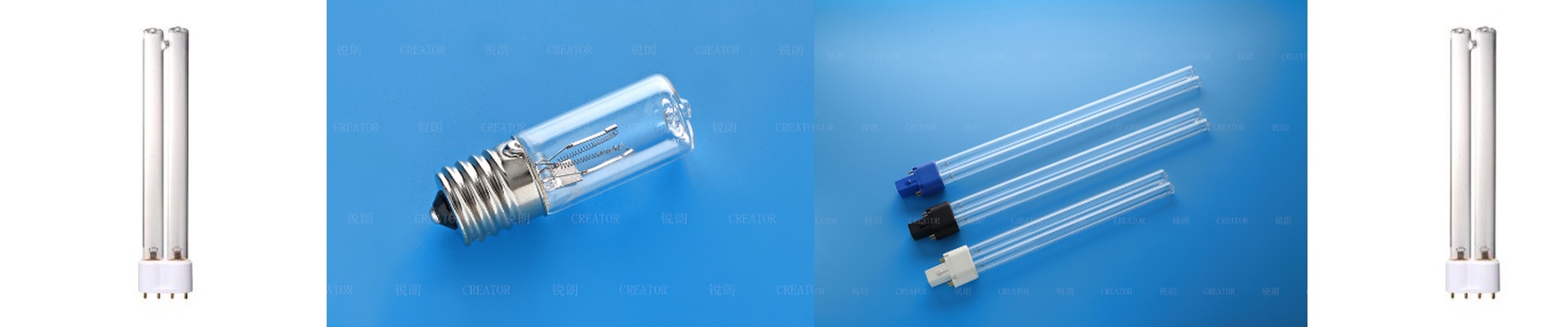
We chose a high-purity quartz envelope because it lets the right UV bands through without wasting energy or cracking under thermal shock. The internal mercury charge is precisely measured, too. That means you don’t get the early-life spike and late-life drop that throws your whole process off balance. And the connectors? They’re not just for looks. An R7s or SK15 terminal is built to handle high heat and keep a solid electrical connection, even with vibration. That cuts down on arcing and hot spots, which directly means the tube lasts longer.
On the Floor
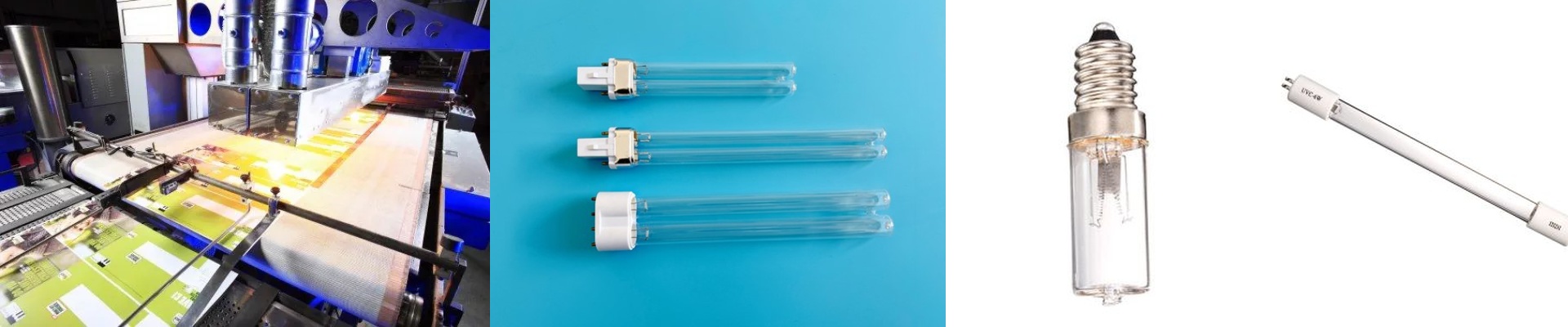
Out on the shop floor, this thing is a straight-up workhorse. It drops right in for UV curing in printing, coating, and adhesive lines. Because the wavelength stays stable, you see fewer rejects from under-cure or tacky surfaces. And since the tube lasts longer, you’re changing it out less often—fewer line stops, less downtime. But there’s a trade-off. A mercury UV tube packs intense energy density, so the curing zone will run hotter. You’ve got to make sure your machine’s cooling and shielding are up to the task. Plan your airflow and reflector geometry from the start, or the lamp will run too hot and burn out faster.