Cleaning Up the Cure: A Better Way to Build Gallium Iodide Lamps
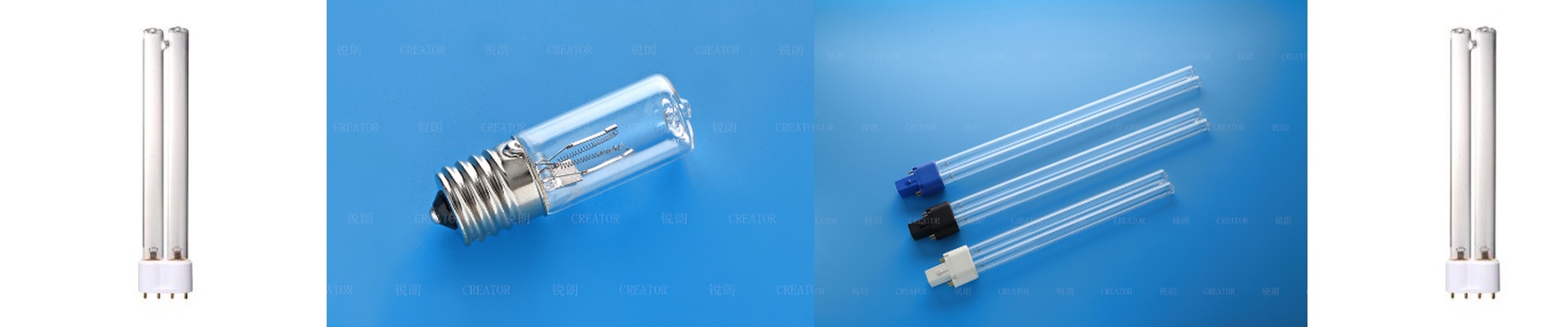
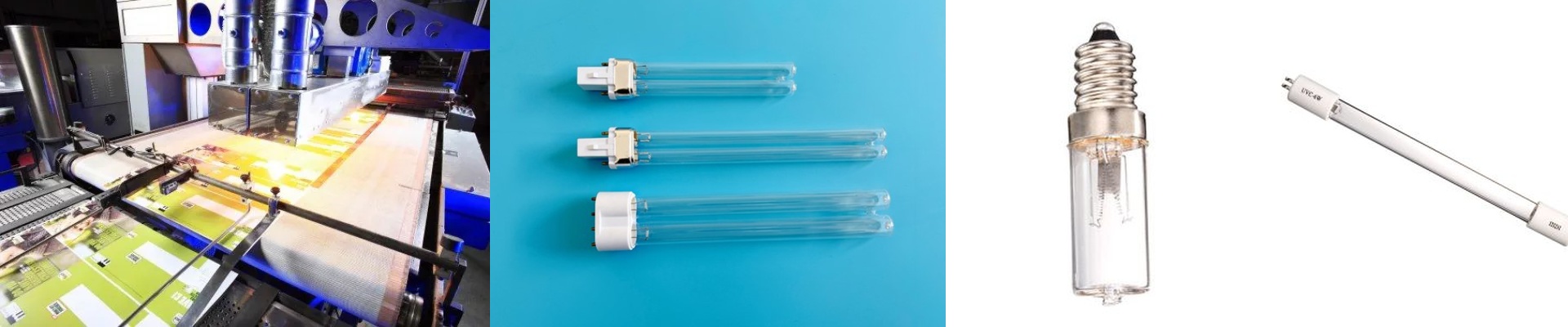
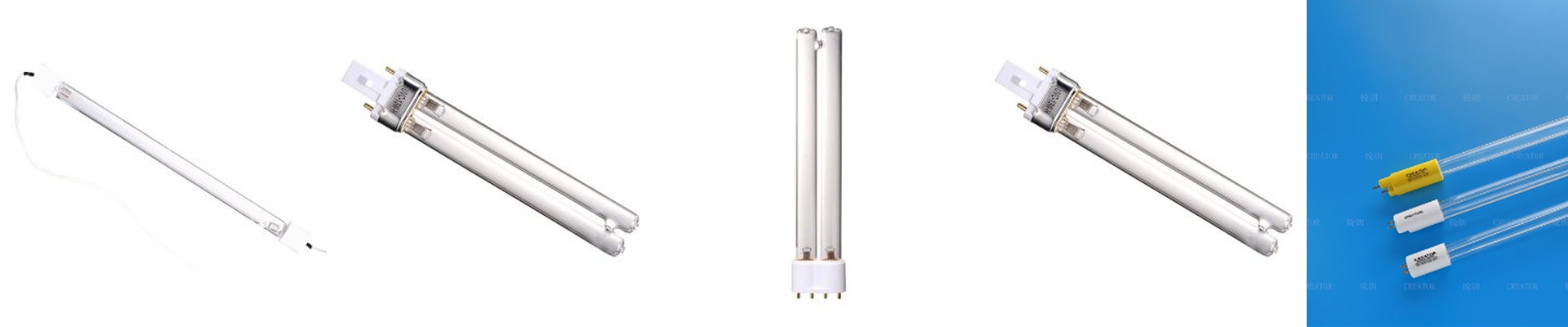
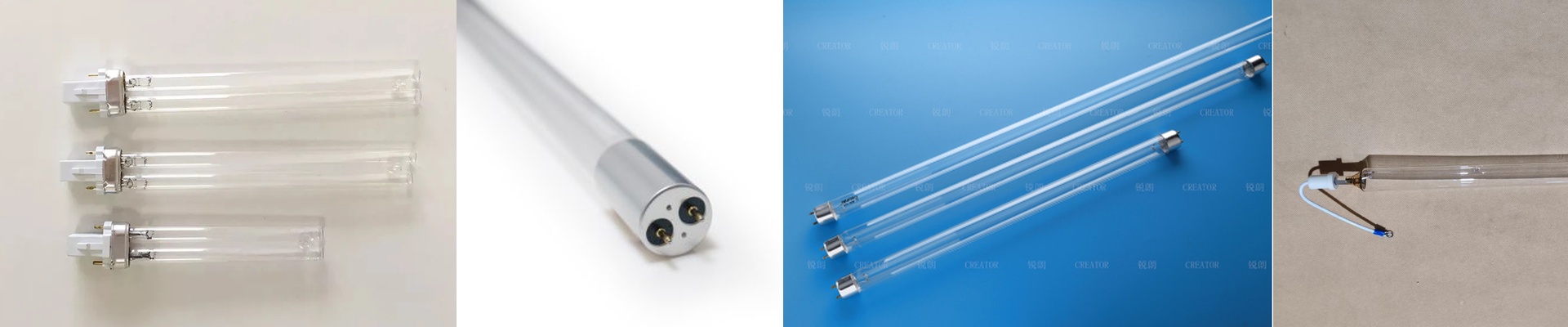
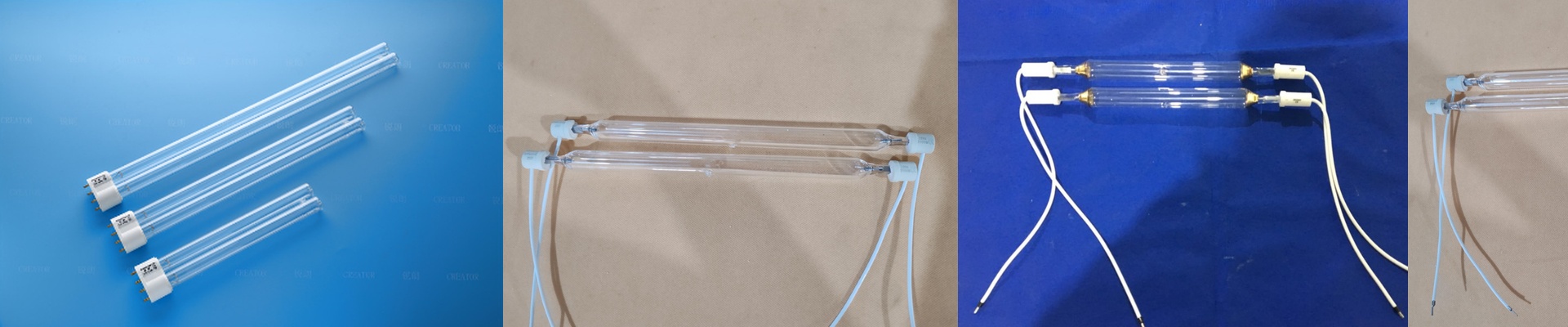
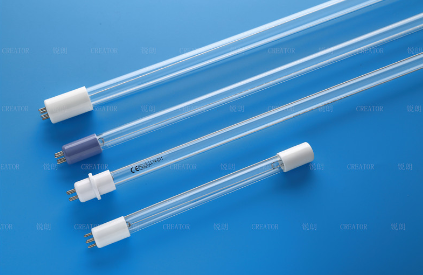
Standard mercury lamps are great until they aren’t. If you’re trying to cure thick polymers or deep-section coatings, you’ve probably noticed they just don’t hit the mark. That’s where gallium iodide comes in. We’ve spent a lot of time figuring out how to make these lamps work in the UV-A and visible spectrum, but with one big twist: we’re getting rid of the toxic junk. Zero pollution. No hazardous waste. And we didn’t have to kill the power to do it.
Getting the Power Right
The real magic here is how these lamps penetrate deep into your substrates. We build them for high-intensity output because, let’s be honest, nobody wants their production line crawling. But here’s the thing: when you crank up the wattage to get that irradiance, things get hot. Really hot. If your cooling blowers aren’t up to the task, you’re asking for trouble. Too much heat means your lamp won’t last nearly as long, and in the worst cases, the quartz envelope can actually fail.**Double-check your fans.**It’ll save you a headache later.
Built to Last (and Not Kill the Planet)
We swapped out the old, nasty fillers for eco-friendly materials. Now, we aren’t just doing this to check a box for some environmental regulator. We actually care about the gear lasting. We use high-purity synthetic quartz so the lamps don’t burn out prematurely. Plus, we tweaked the electrodes to stop “sputtering.” If you’ve ever seen a lamp go cloudy over time, that’s why. By stopping that, the glass stays clear and the light stays strong for thousands of hours.
Real Talk: Putting Them on Your Floor
You don’t need to rip out your entire rack or spend a weekend rewiring everything. We kept the footprint standard, so these are basically drop-in replacements for your current UV systems. There is one catch, though. Because we went with a cleaner, long-life design, these lamps take a bit longer to hit full strength than those old chemical-heavy versions. It’s a slower ramp-up. **Pro tip:**Adjust your PLC timing to account for that warm-up period. If you don’t, those first few parts coming off the line might end up under-cured. Once they’re stable, though? They stay flat. You won’t be spending half your shift constantly recalibrating your UV sensors.