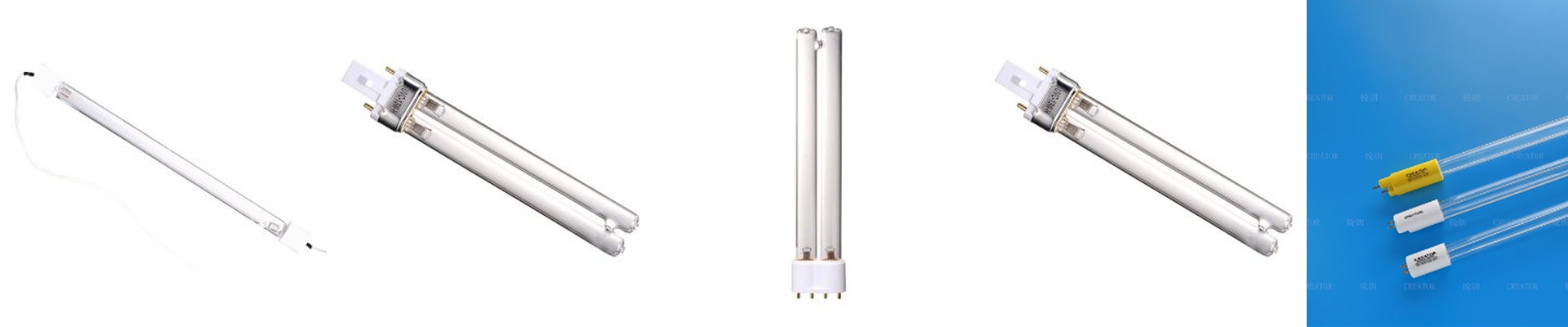
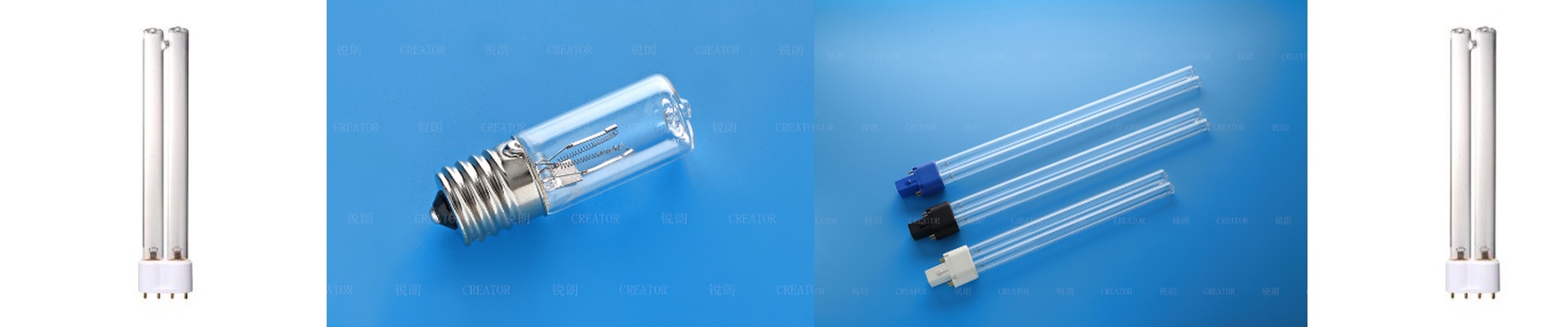
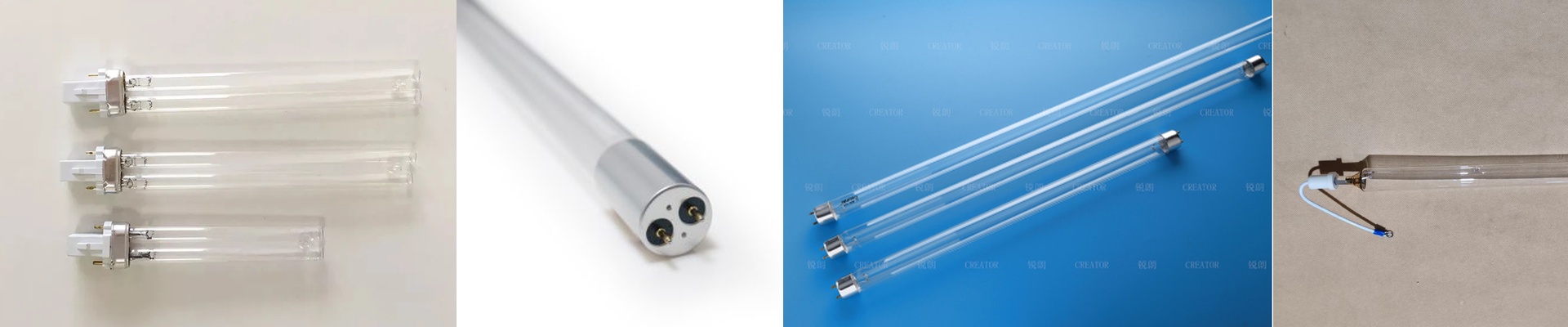
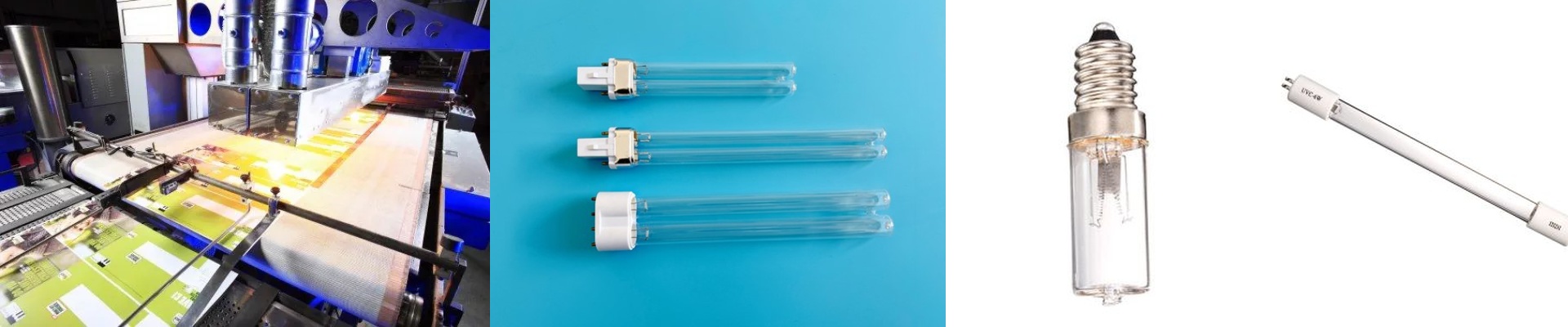
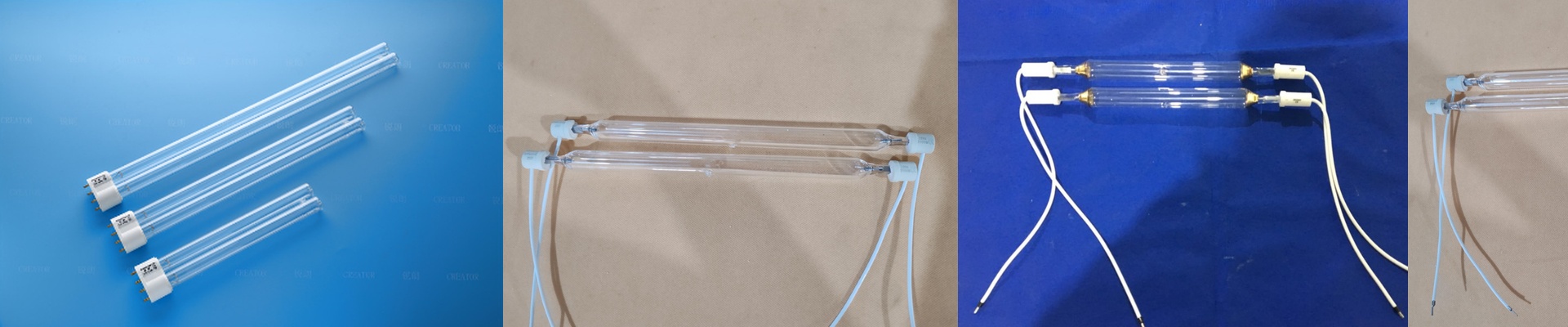
The 80W/cm Mercury UV Lamp: The Workhorse Your Print Line Needs
We built this 80W/cm mercury UV lamp to be the dependable backbone of printing and textile finishing lines. Because when you’re running a line, you need a lamp that just shows up and does its job—steady UV output, a long life, and a size that slips right into what you already have. No major overhauls. No headaches.
Power, voltage, and size: the details that actually matter
That 80W/cm rating? It’s not just a number on a sticker. It’s about intensity—the kind of photon punch that cures inks, coatings, and adhesives at real production speeds. Match the power to your line speed, and you avoid the messy fallout of under-cure: weak adhesion, tacky surfaces, and rejects piling up. Voltage matters, too. It has to line up with your ballast and ignition system. Get it wrong, and you’ll see the lamp struggle to start, flicker, and give you unstable output. And the length? That’s about alignment. The UV-hot zone needs to land exactly where your cure window is. If the arc length is off, the edges of your material won’t get the full exposure they need.
Built with the right stuff: quartz, mercury, and the R7s base
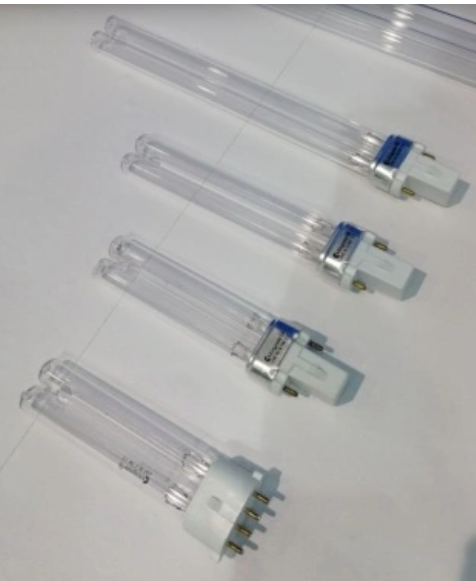
We use a quartz envelope because it lets UV through cleanly and handles the thermal shock of rapid on/off cycles without cracking under pressure. The mercury vapor delivers the broad UV spectrum that activates photoinitiators across the ink systems you see most often. And that R7s base isn’t a random pick. It’s a standardized two-pin linear connector that locks the lamp in place and keeps electrical contact solid, even when the machine is vibrating. That means fewer micro-arcs and hot spots—two classic ways high-power UV lamps fail.
What it feels like on the line: uptime, repeatability, no slowdowns
On a printing or textile finishing line, your heartbeat is uptime and repeatability. This lamp gives you stable UV output for curing UV inks, topcoats, and bonding layers—without scorching the substrate. The result is control. You get faster throughput with fewer rejects. But here’s the honest part: 80W/cm throws off real heat. Your machine needs enough airflow and reflector cooling. If it doesn’t, the lamp will run too hot, the output will drop, and the lifespan will shrink. Think of it as a drop-in component—just make sure the cooling is specced to match.