Stop Slapping Your Logo on Generic UV Lamps
Let’s be honest: building a real UV lamp line isn’t just about picking a cool housing and sticking your logo on it. In the world of industrial automation, that’s a recipe for disaster. One tiny slip in wavelength precision or a heat spike, and your customer is staring at a batch of ruined parts. That’s where we come in. We handle the heavy lifting of the OEM engineering so you can actually call the hardware your own.
Getting the Power Right
Here is the thing about UV curing: it’s a balancing act. You need the right irradiance to get that photopolymerization moving, but it’s not just about cranking up the dial. If you want your conveyor belts to move faster, you need more photon flux. That means higher wattage. But you can’t just add power without thinking about the cost. If you cram too much intensity into a small box, you’re going to fry the bulb. We help you figure out the right mix of voltage and cooling—whether that’s beefy fans or water-jackets—so your gear doesn’t burn out the moment it hits a real production floor.
Hardware That Actually Fits
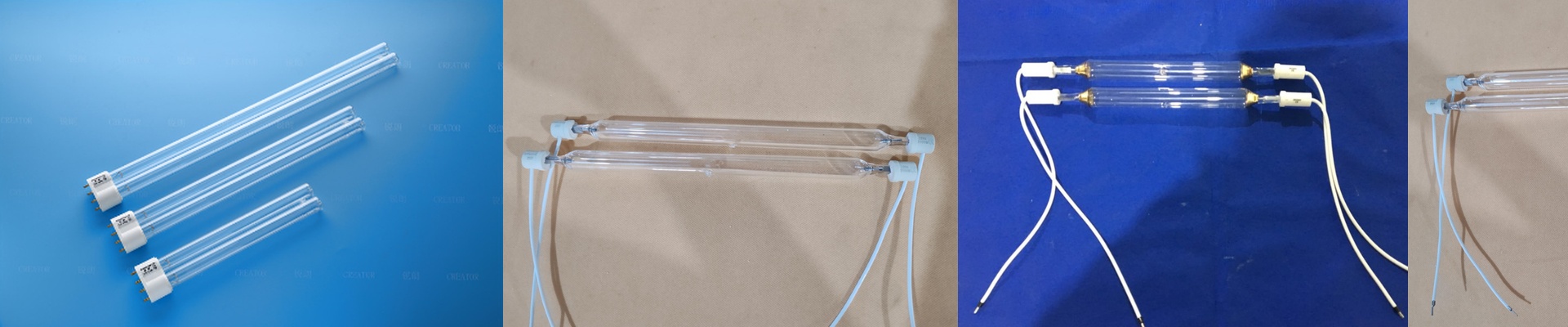
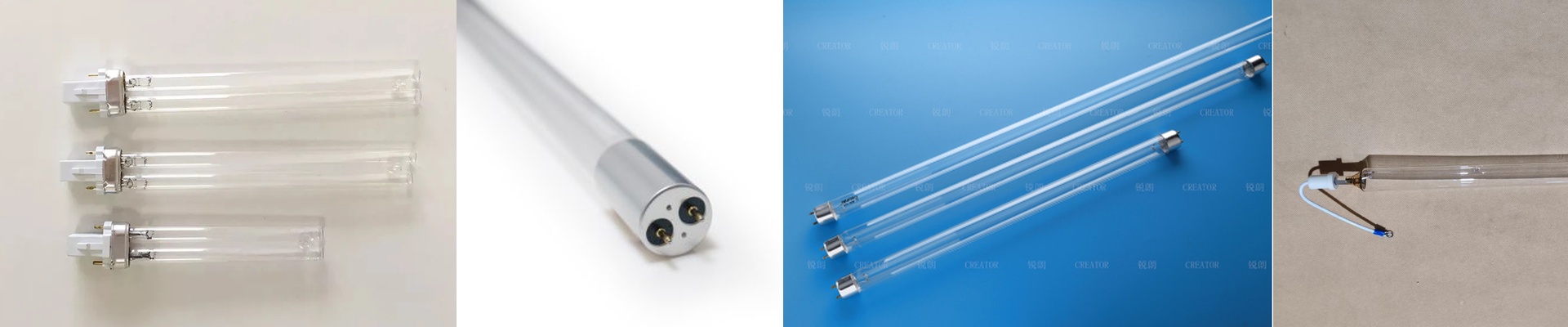
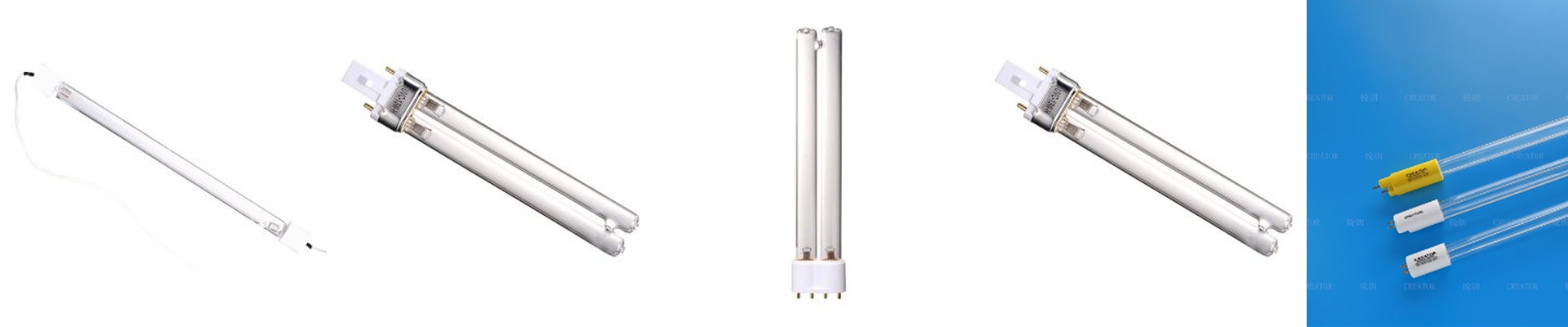
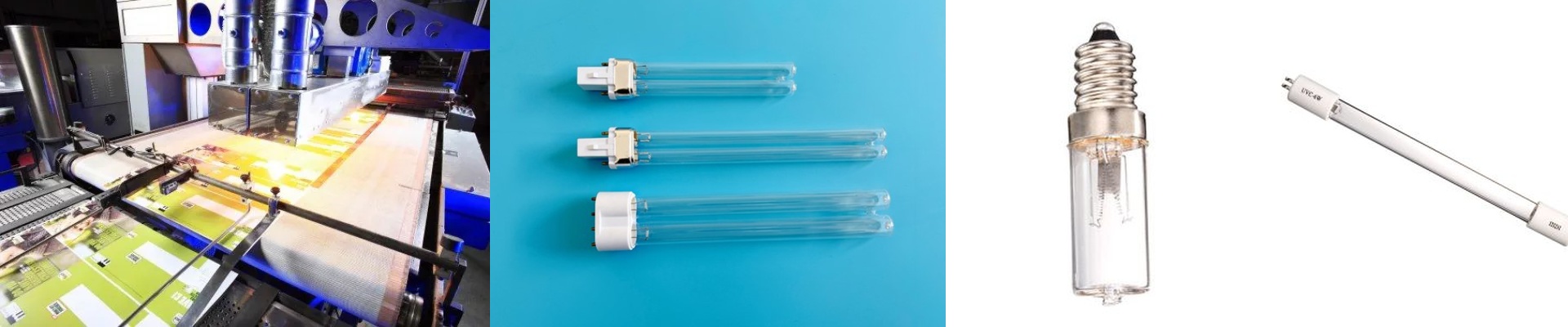
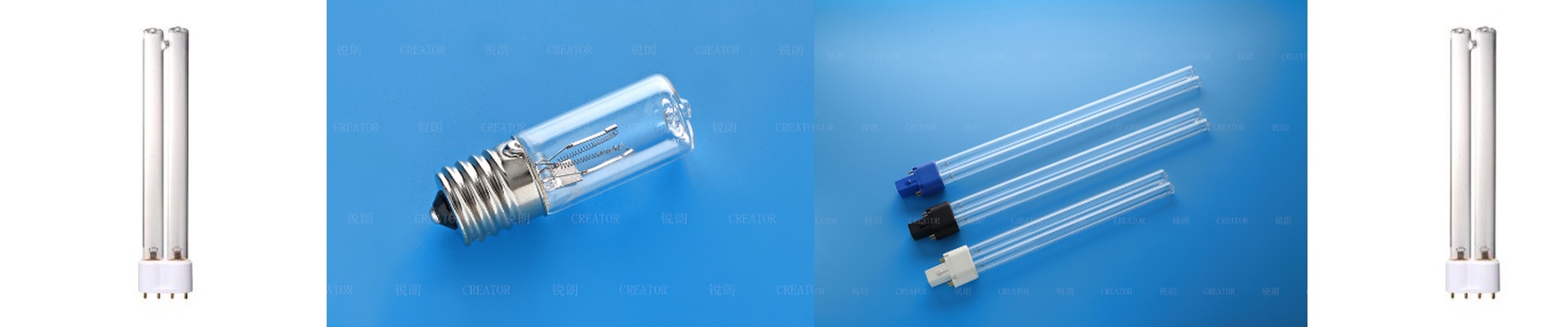
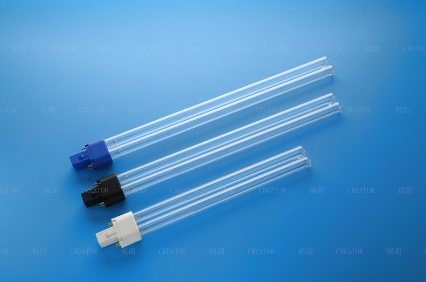
We get into the grit of the design. You tell us the geometry you need and the connectors your clients are already using, and we make it a drop-in fit. No awkward adapters. No headaches. Need to protect a heat-sensitive material? We can tweak the quartz envelope or add coatings to kill off the unwanted IR heat. You define the beam angle and the focal length, and we’ll build the reflector to match. It’s your vision; we just provide the tools to build it.
The Reality of the Factory Floor
No UV system is a “plug-and-play” miracle. These things get hot. They create ozone. If you don’t plan for ventilation, your customer is going to have a problem. We work with you to make sure the housing can handle 24/7 operation without overheating. Plus, we give you the raw technical specs. That way, when your customer asks how to wire it up or when to swap out a part, you have a straight answer ready for them.