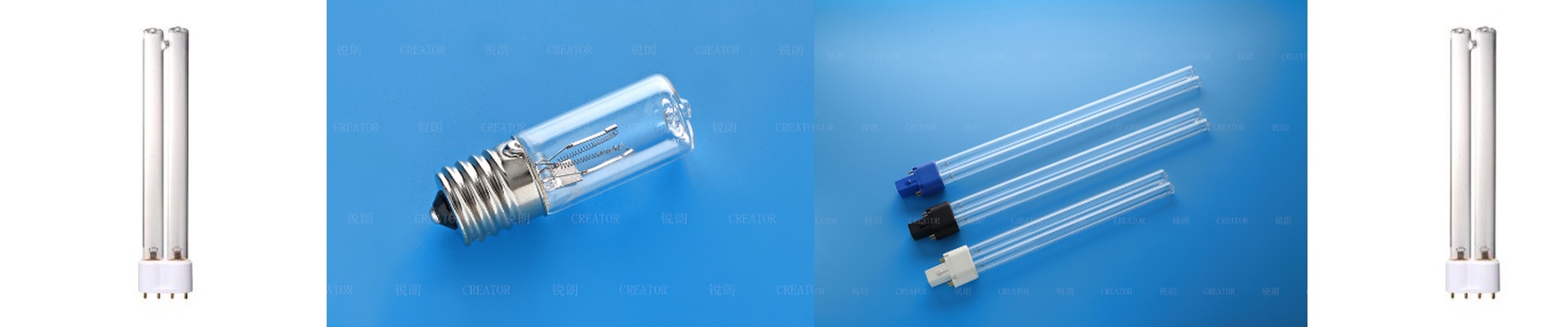
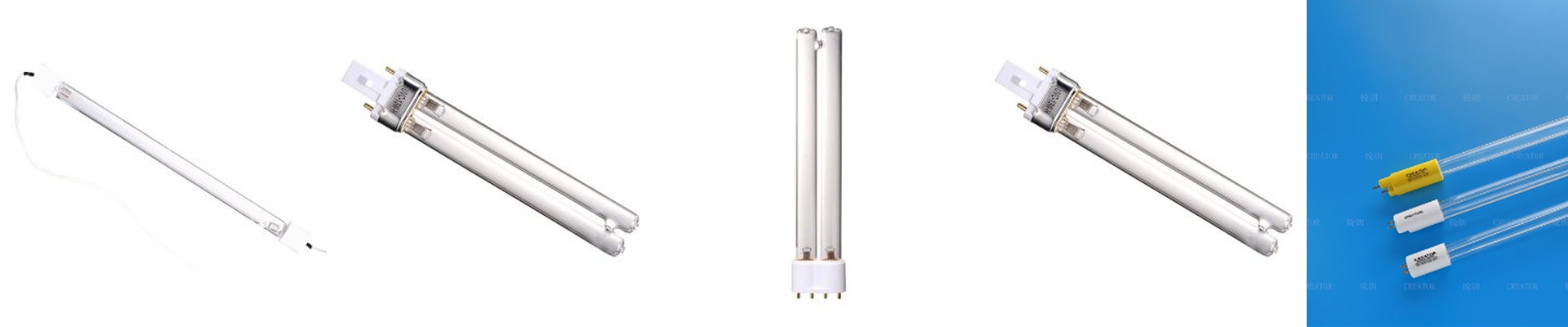
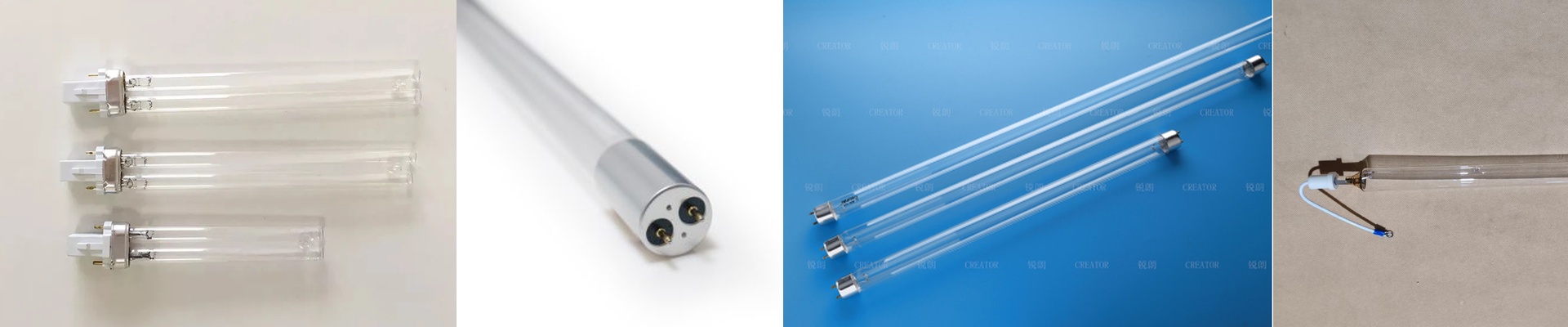
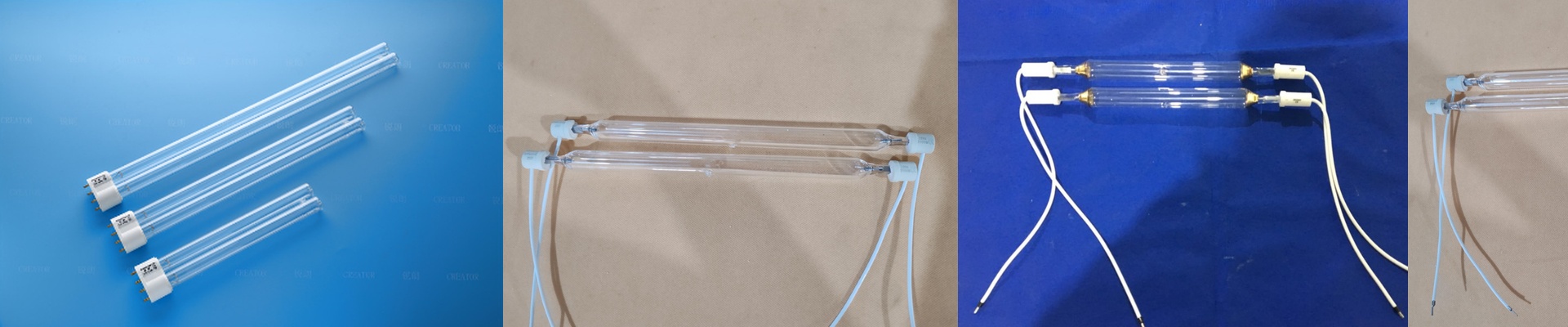
Getting Your UV Wavelength Exactly Right
We don’t look at UV lamps as just another part you order from a catalog. If you’re building an OEM product, you know that a few nanometers can be the difference between a production line that hums and one that just fails. Our lab spends its time obsessing over the physics of spectral output. Why? Because your chemical or biological target needs a very specific kind of energy to work. If the photon energy is off, nothing happens.
Tuning the Spectrum
Here’s the thing: a standard, broad-spectrum bulb usually isn’t enough. If you’re trying to disrupt DNA or get a specific polymer to cross-link, you need a precision strike, not a shotgun blast. We tweak the gas mixtures and the way the electrodes are shaped to tighten that peak wavelength. It stops you from wasting energy and, more importantly, keeps you from accidentally cooking your substrate. You get the power exactly where it actually does the work.
The Glass Actually Matters
You can’t just use any glass. Most standard glass blocks UV-C entirely, which makes it useless for these applications. We use high-purity synthetic quartz because it lets the light through without fighting it. And if you’re working with resins that hate heat, we have doped quartz options that filter out the infrared radiation. It keeps the whole process “cold,” so your materials don’t warp or degrade.
The Honest Trade-offs
There’s a temptation to just crank up the wattage to speed up the line. We’ve seen it happen a hundred times. Engineers push the intensity too high, and suddenly they’re replacing bulbs every two weeks. It’s a nightmare. We help you find the sweet spot between power density and how much heat your housing can actually handle. Just a heads-up: if you’re cramming high-wattage arrays into a tiny space, you’re going to need a serious cooling manifold. Instead of giving you vague promises, we give you the raw data—the actual spectral distribution curves and decay rates. That way, you can set your timers based on real numbers, not a lucky guess.