Dealing with Electrical Noise in UV Curing Arrays
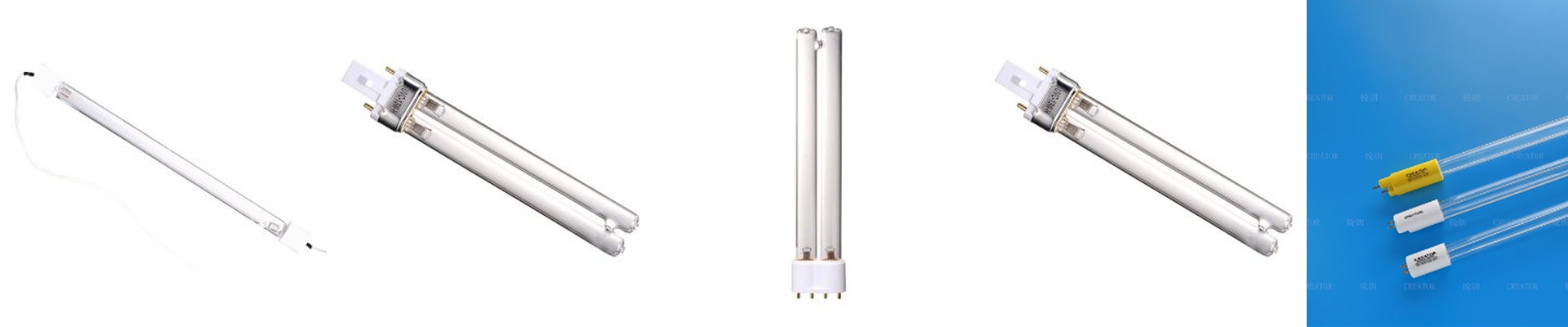
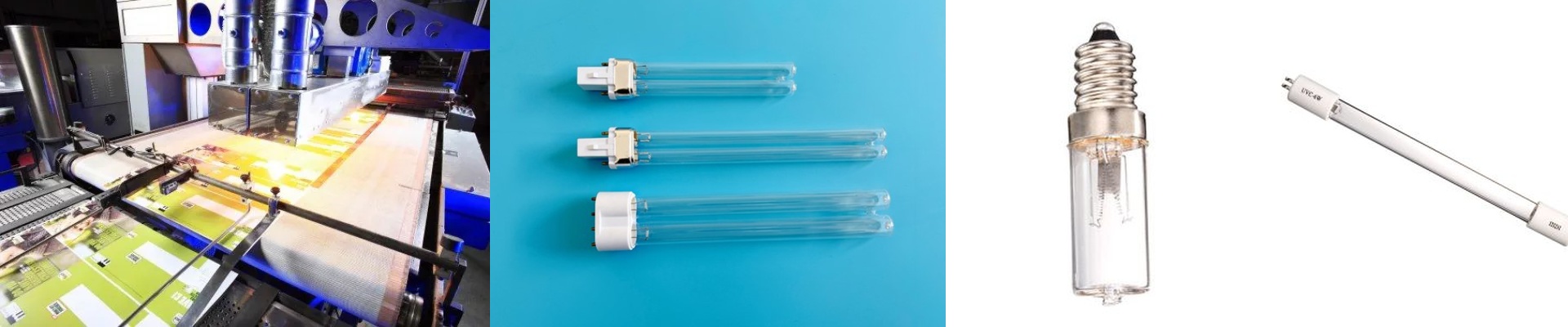
If you’ve ever run a few large-scale printing presses in one shop, you know it’s a loud, chaotic mess. I’m not just talking about the noise you can hear, but the electrical noise you can’t. When you’ve got several high-power UV systems firing at once, you get electromagnetic interference (EMI). It’s a silent killer. And honestly, it’s where most systems start to fail. That’s exactly why we build our custom UV lamps the way we do.
Why your lamps flicker
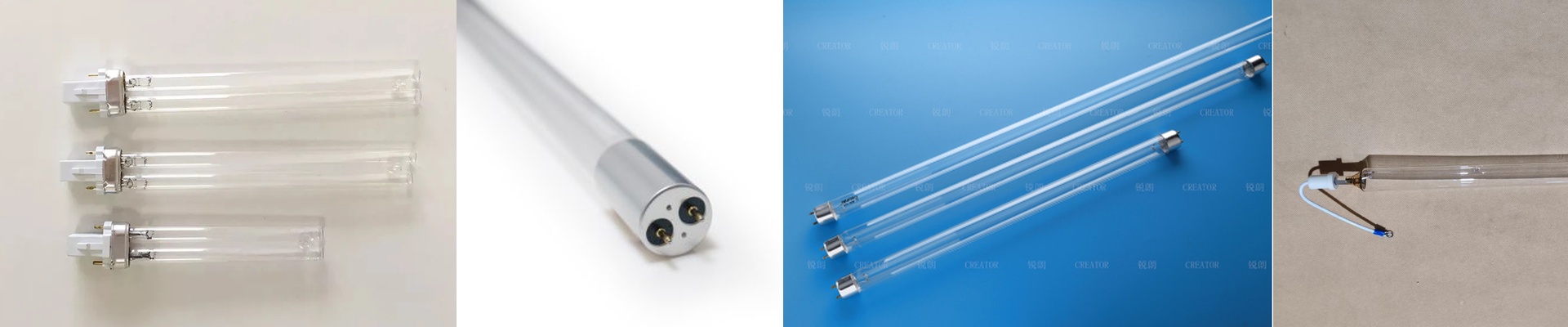
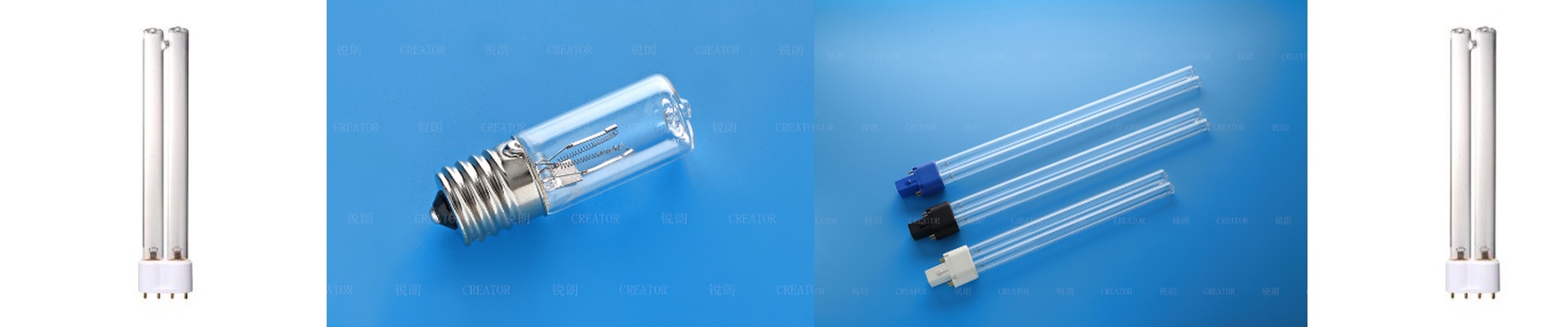
Here’s the thing: most UV lamps start to flicker or lose their punch when the power grid gets “dirty.” It happens because the ballast and circuitry basically act like antennas, soaking up stray currents from all the other heavy machinery humming away nearby. It’s frustrating. To stop it, we bake heavy-duty shielding and specialized filtering circuits right into the lamp housing. We basically wall off the drive electronics from the rest of the room. The result? Your UV output stays rock-steady, even if your neighbor is running three presses at full tilt.
Keeping things steady
Stability isn’t just about keeping the lights on. It’s about making sure the irradiance is the same across the entire web. If your output drifts by even 5%, you’re in trouble. You’ll see ink smudging or the substrate starting to warp. It’s a nightmare to fix after the fact. We use high-grade capacitors and inductors that don’t freak out when the room gets hot. They just hold their line.
The catch: Heat vs. Shielding
Now, there is a trade-off. Adding all that shielding makes the lamp housing bigger and, unfortunately, it traps more heat. You can’t just wrap a lamp in metal and hope for the best. If you do, you’re just building an oven for your electronics. To keep things from burning out, you’ve got to make sure your cooling blowers are actually up to the task. They need to handle the extra thermal mass of a shielded unit. If your airflow is choked, those internal components will cook—no matter how good the EMI protection is. We’ll provide the shielding, but you’ve got to keep the air moving.