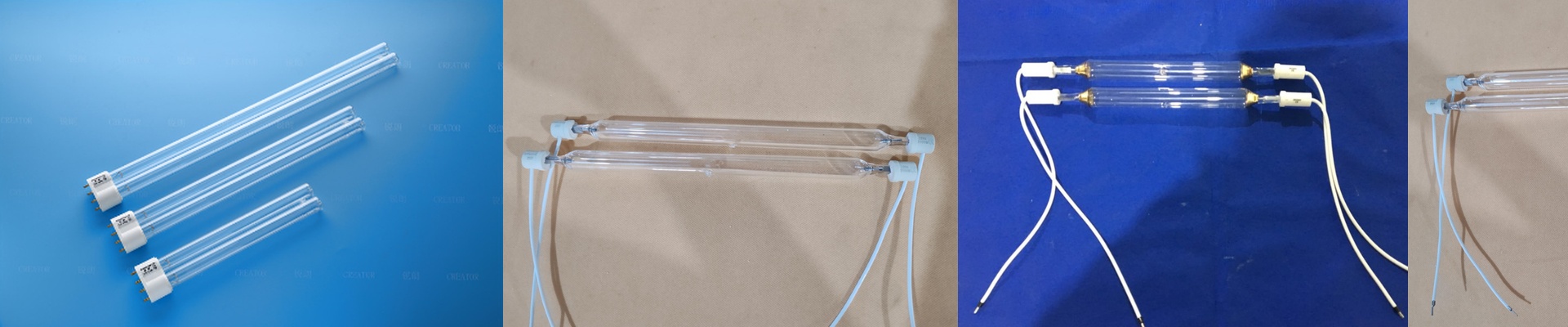
Stop Guessing When to Swap Your UV Lamps
Most UV lamp replacements are basically “blind.” You pop them in, let them run, and then just… hope for the best. You usually replace them based on a guess or a calendar date, crossing your fingers that they haven’t lost their punch. We’re changing that. Instead of guessing, we’re putting the actual energy data right into the lamp’s power cycle.
Getting a Real View of What’s Happening
Forget simple timers. Those don’t tell you if a lamp is actually working. By keeping an eye on energy use and voltage swings in real-time, we can tell exactly when a lamp’s output dips too low to be effective. You don’t have to climb around or pull a lamp out of its housing just to see if it’s still healthy. The system just lets you know from a distance.
The Nitty-Gritty Stuff
To make this work, we had to get a bit more precise with how the ballast and driver talk to each other. We added a communication layer that sends power data straight to your dashboard or PLC. Now you can see the difference between how long a lamp was supposed to be on versus how long it actually worked. Of course, there’s a trade-off. Adding these sensors means the power supply takes up a bit more room and the electronics are a little more complex. Also, if your shop is full of heavy machinery creating a lot of electromagnetic interference, you’ll want shielded cabling. Otherwise, you’ll get “ghost” alerts telling you a lamp has failed when it’s actually fine.
A Better Way to Handle Maintenance
This is where it gets rewarding. Instead of the old habit of swapping out 50 lamps every 9,000 hours—even if half of them are still perfectly good—you only replace the ones that are actually struggling. It’s a huge relief. You waste fewer lamps, and your line stays up and running longer because you aren’t doing unnecessary swaps. Plus, you finally know exactly what you’re spending on energy for every bit of sterilization you get. Everything just becomes transparent.