Getting Your Industrial UV Setup Right
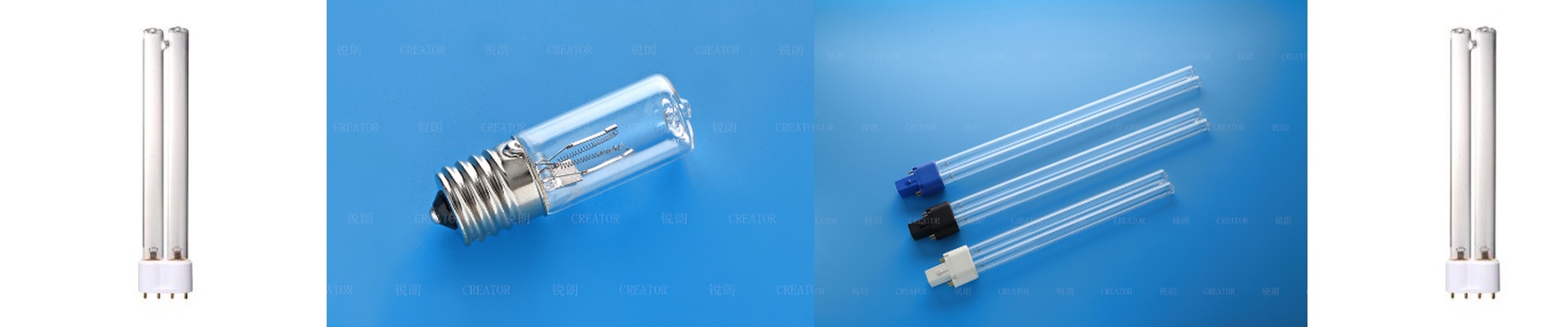
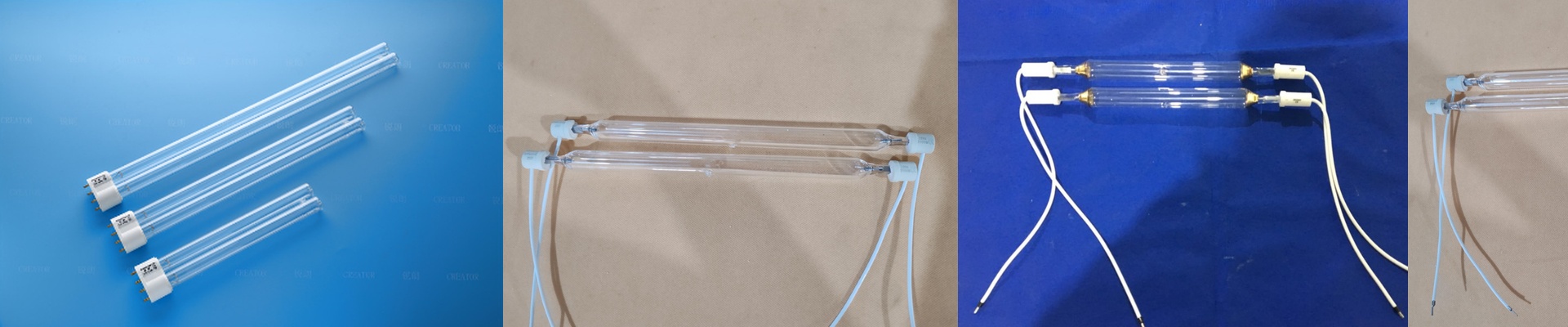
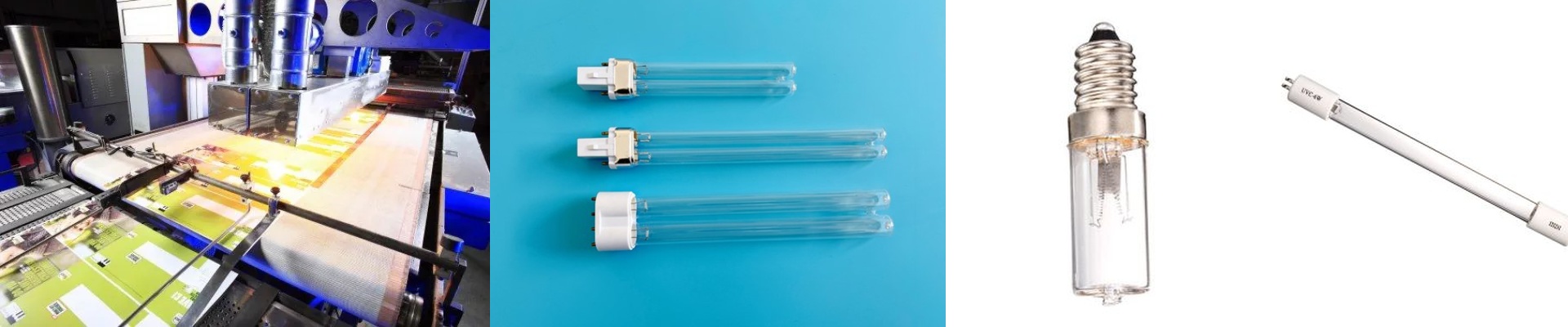
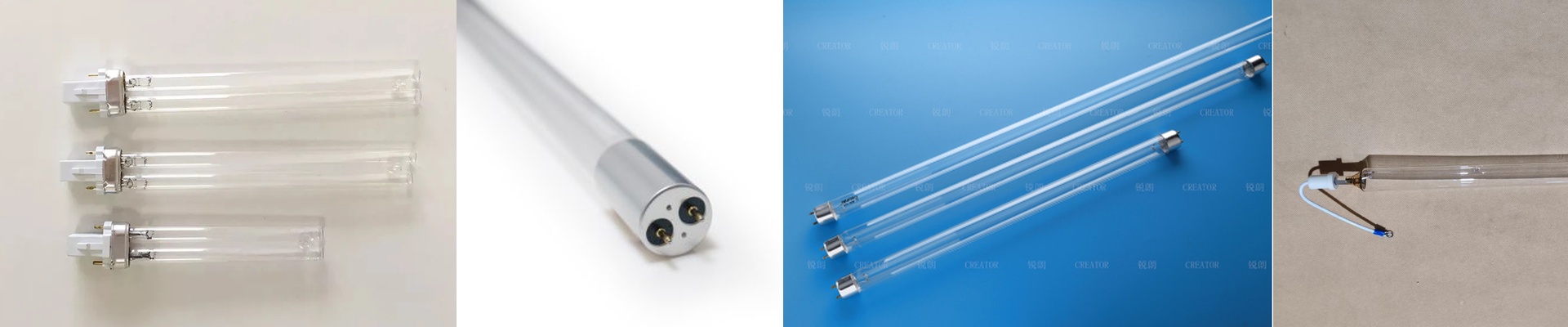
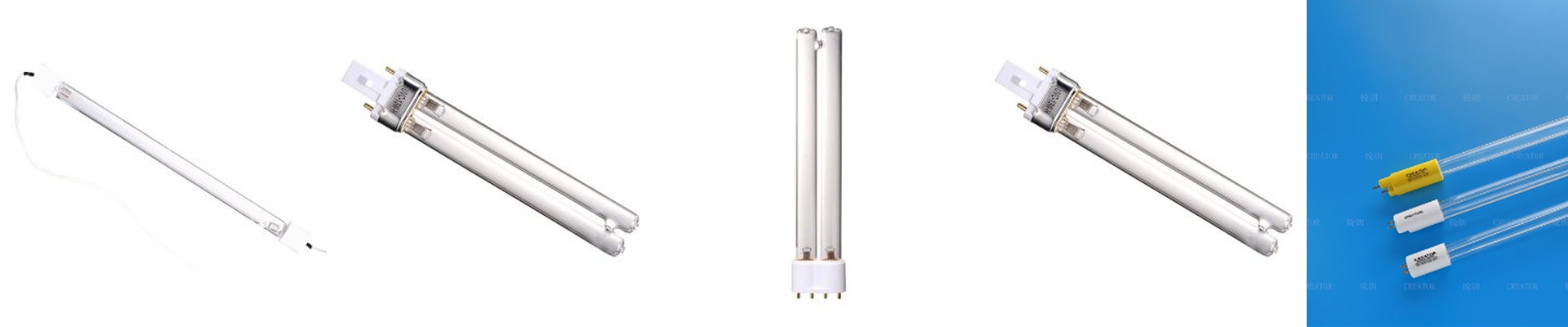
We make the kind of UV bulbs that live in the trenches—high-volume factories where things move fast and you can’t afford a single mistake in curing or sterilization. These lamps hit the surface with exactly the kind of energy needed to snap molecular bonds in inks or wipe out germs on a substrate. The balance of power and speed Here is the thing about UVC light: it has to be steady. If it dips, your ink doesn’t cure. If it spikes, you might actually scorch your materials. We spend a lot of time making sure the energy hits the target area without just turning into wasted heat. But you’ve got to do your part on the floor. Your bulb wattage needs to play nice with your conveyor speed. If you crank up the line speed, you’ll need more wattage or a tighter cluster of lamps to make sure the dose stays consistent. Why we use quartz (and when to swap them) You won’t find standard glass here. It just doesn’t work—it blocks the UVC rays. We use high-purity quartz because it lets the light through without fighting it. Now, these bulbs take a beating, especially in 24/7 shops. Over time, the electrodes wear down and the light fades. It happens slowly, but it happens. I always suggest keeping a close eye on your lamp hours. Swap them out once they hit about 80% of their original strength. It’s a lot cheaper to replace a bulb than it is to scrap a whole batch of defective products. Making it all fit together Most of our bulbs are designed to slide right into the systems you already have. But a quick heads-up: double-check your ballast. If the voltage or current doesn’t match the bulb exactly, you’re looking at a flickering mess or a filament that burns out the second you flip the switch. Also, keep an eye on the heat. High-intensity UV gets hot—really hot. Make sure your fans or water-jackets are actually pulling that heat away. If they aren’t, the quartz can stress and crack. Since most of you are running hundreds of these across multiple lines, we sell them in bulk. It just keeps the cost per unit down and keeps your lines moving.