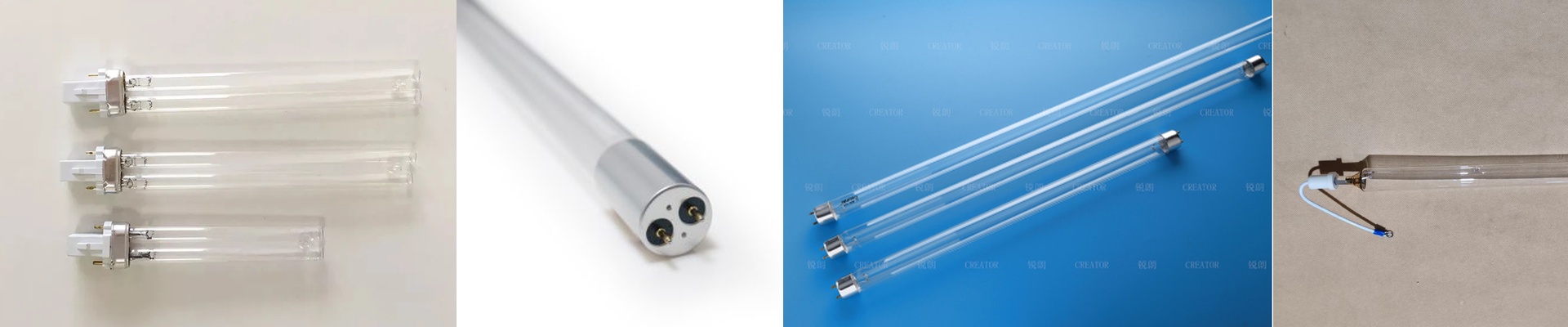
Stop Thinking of UV Lamps as Just “Bulbs”
For a long time, we’ve treated UV lamps like office lightbulbs—something you just plug in and swap out every few months when they dim. But that’s not how it works anymore. Now, light is a tool. It’s about precision. Whether you’re trying to snap molecules together to cure a resin or ripping apart DNA to kill germs, you can’t just “turn on the light” and hope for the best. You need the exact wavelength for the job. Usually, that means UV-C for the dirty work of sterilization and UV-A or B for curing. If you get this wrong, your quality control is going to have a bad day.
The Trick to Wavelengths
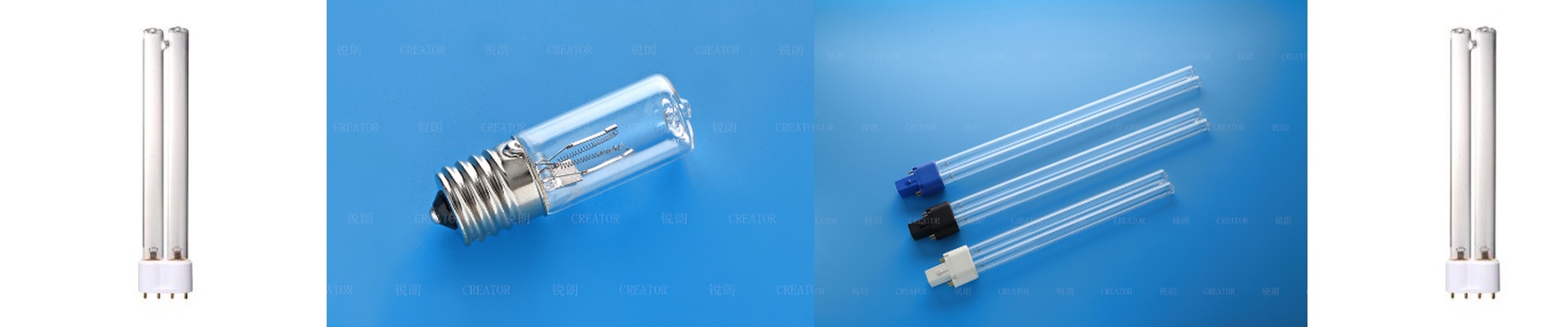
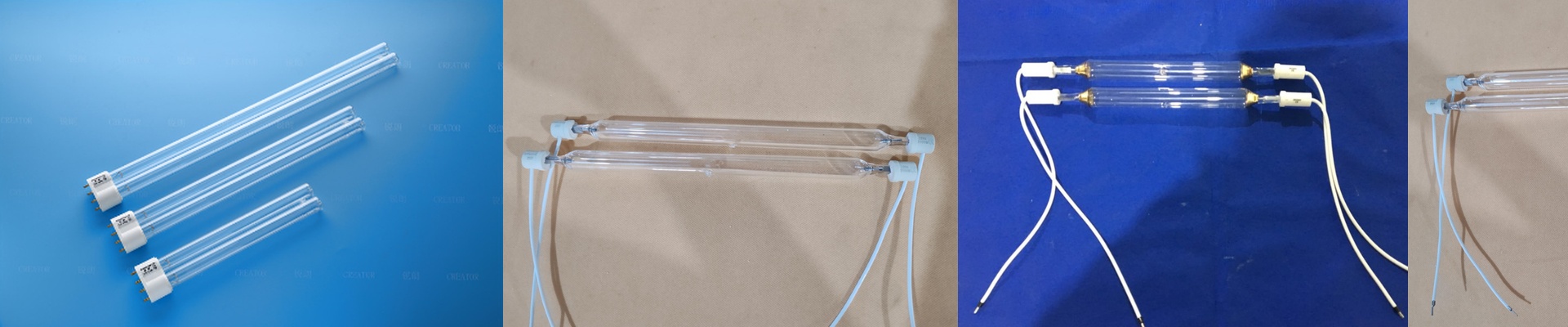
Here’s the thing: it all comes down to what’s inside the tube—the gas mix and the quartz sleeve. If you’re cleaning a surface, you want 253.7nm. Period. But if you’re working with adhesives or coatings, you have to shift that spectrum to wake up the photoinitiators in your ink. It’s not a one-size-fits-all situation. If the lamp’s peak doesn’t line up with what your material actually absorbs, you’re just wasting electricity. And you’ll be left with that annoying, tacky surface that just won’t dry.
Dealing with the Heat
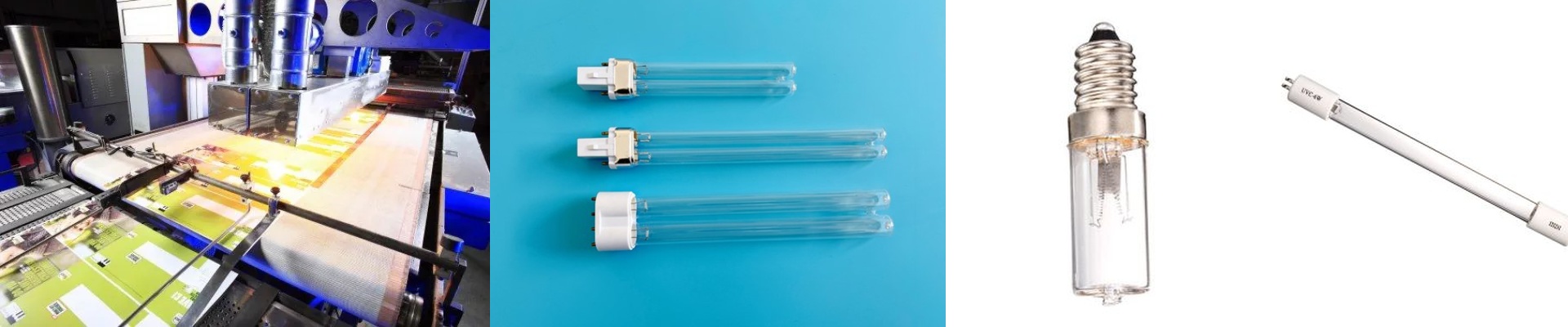
Putting these into an automated line isn’t just about plugging them in. You need stable power. We use electronic ballasts because nobody wants a flickering light, and it actually helps the lamps last longer. But there’s a catch:heat. High-wattage UV arrays get hot. Really hot. If your conveyor belt is moving slowly, that heat can actually warp your PET plastic or ruin the layer you just cured. To stop that from happening, you’ve got to get your cooling right—whether that’s beefing up the fans or using water-cooled jackets to keep things chill.
Making it Smart
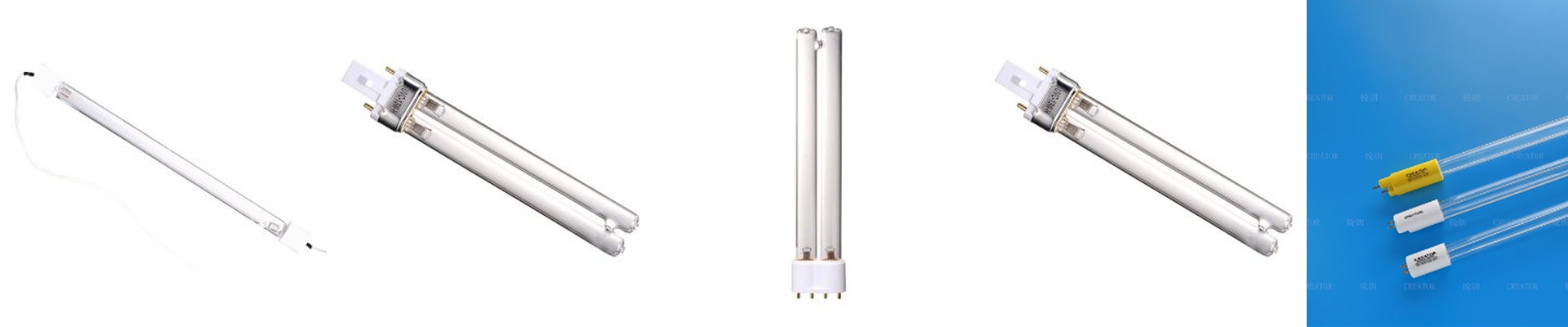
The goal is to make these units easy to drop into your old setup without a total overhaul. By using standard connectors and digital controllers, you can actually see what’s happening in real-time. Imagine this: your UV output dips by 10%. Instead of finding out later when a batch of parts fails inspection, the system just flags it. It’s a huge relief to move away from manual checks and let sensors do the worrying for you. That’s the real shift we’re seeing in the shop.