More Than Just a Cure: The Real Story Behind Mercury UV Systems
Most people look at a mercury UV lamp and see a tool for drying ink. We see it differently. To us, it’s all about how you deliver energy. When you’re running a modern shop, you aren’t just trying to get things to stick; you’re trying to make sure the ten-thousandth part looks exactly like the first one. No drifting. No guessing.
The balancing act of light and heat
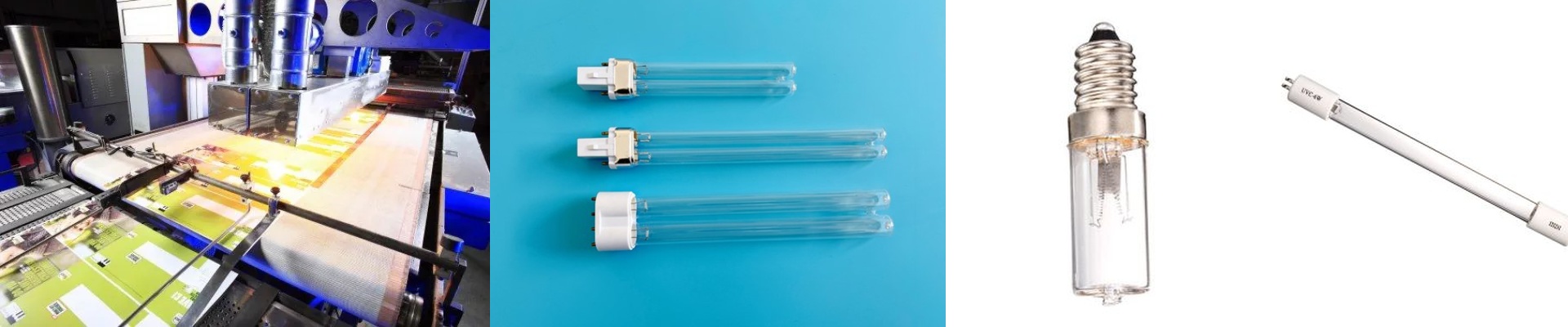
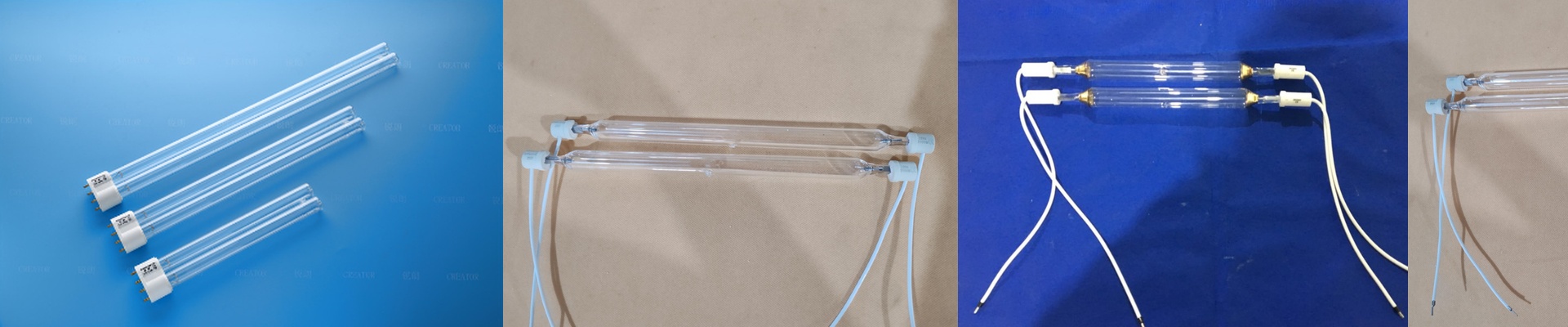
We design these lamps to hit very specific UVC and UVB peaks. It all comes down to the mercury vapor inside. If you want that deep-section cure, you need high wattage. But here’s the catch: high wattage equals heat. If you speed up your conveyor, you’re suddenly in a tug-of-war. You need the power to cure the part quickly, but if you push too hard, you’ll warp the material. It’s a delicate balance.
It’s more than just a glass tube
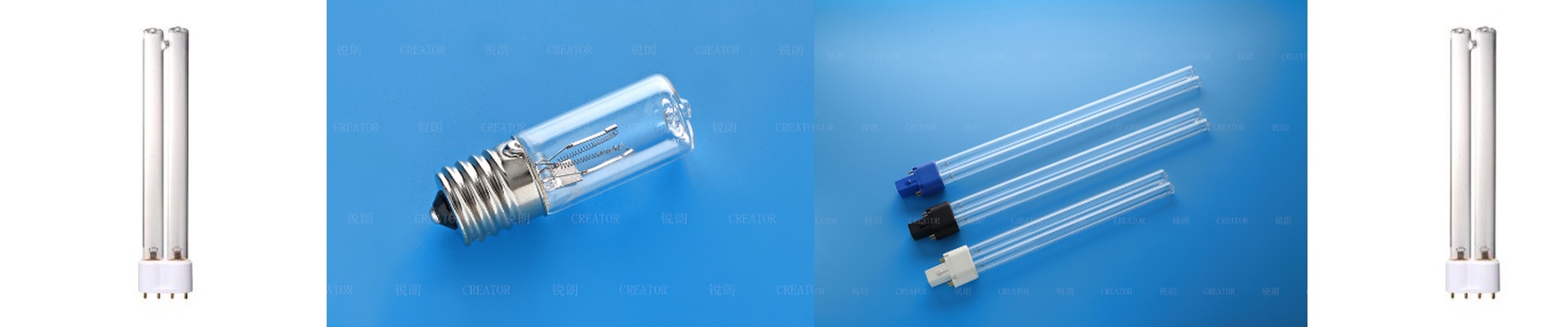
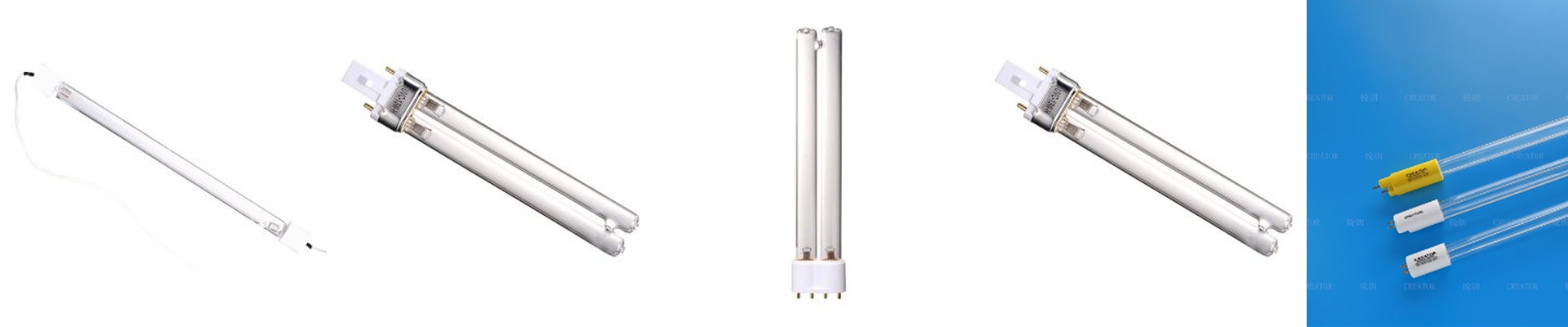
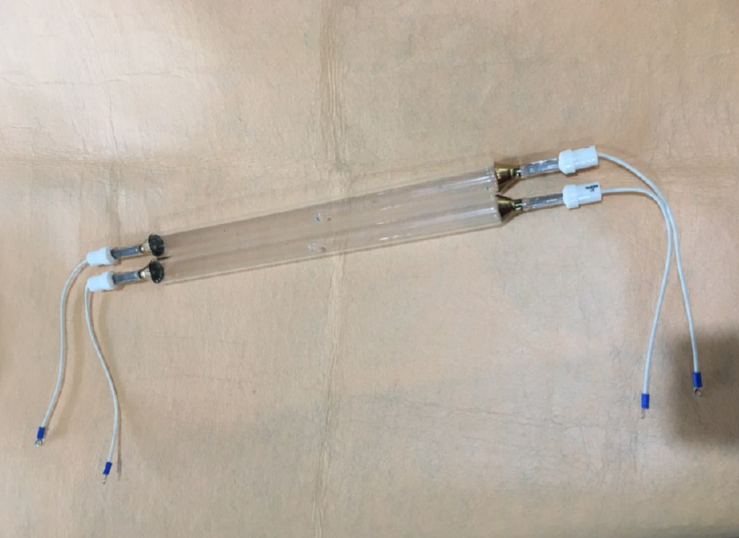
We don’t just throw a tube in a box and ship it. We spend a lot of time on the quartz envelope. Why? Because cheap glass cracks the second your cooling fans stutter. We use high-purity fused quartz. It sounds fancy, but it basically means the UV light actually gets out of the lamp instead of getting trapped in the glass. And please, don’t just plug these into a wall socket. You need a stabilized power supply. If your voltage jumps around—even by 5%—your curing speed shifts. That’s how you end up with tacky surfaces and a pile of rejected parts. It’s a nightmare you just don’t want.
The trade-off: Power vs. Life
Here is the honest truth: if you run a lamp at its absolute limit, you’re killing the electrodes faster. Instead of waiting for every single lamp to burn out at once, try a staggered replacement schedule. Swap them out in zones. This keeps the light intensity even across the whole belt and stops those annoying “cold spots” from ruining your finish.