Let’s Talk About CE Certification for Custom UV Lamps
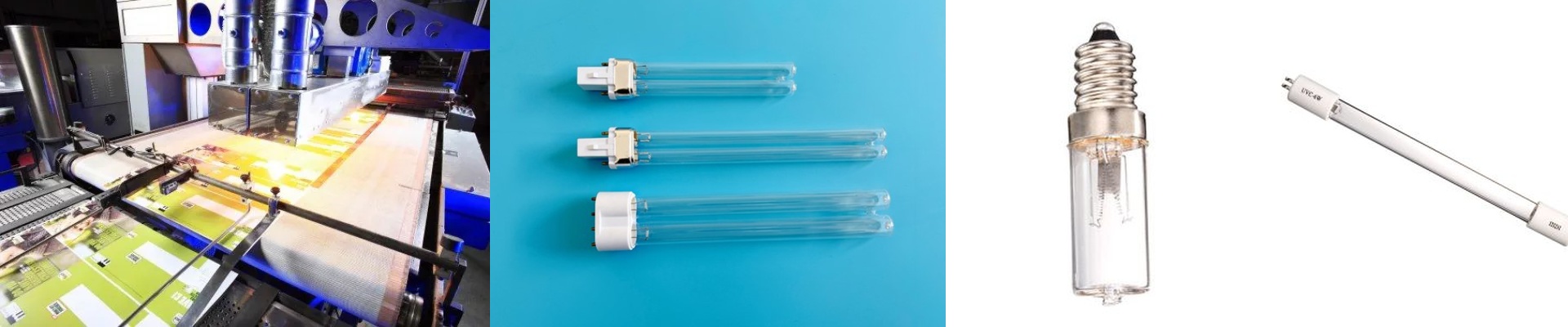
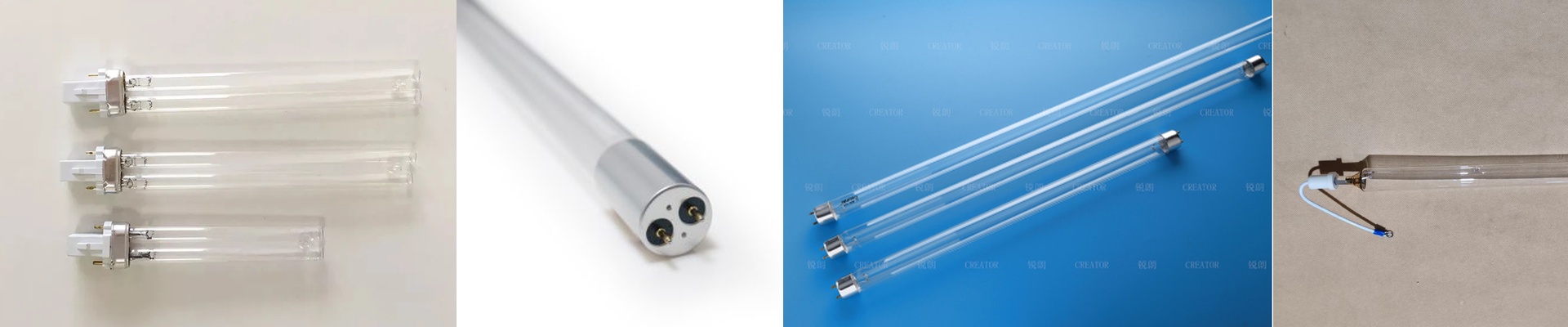
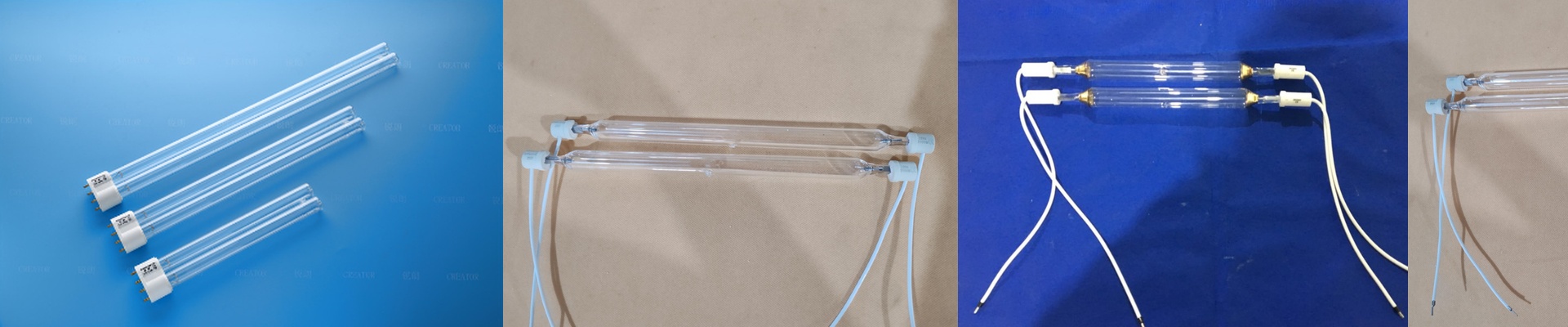
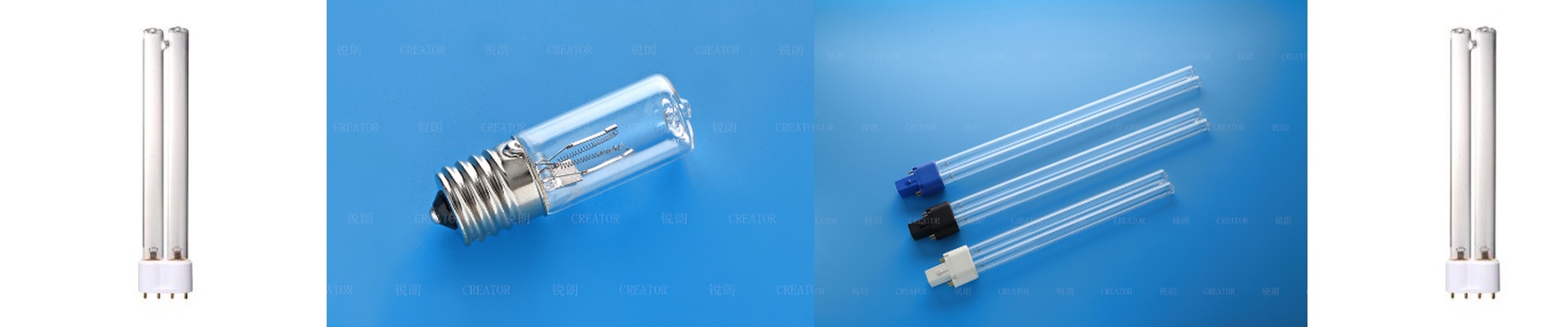
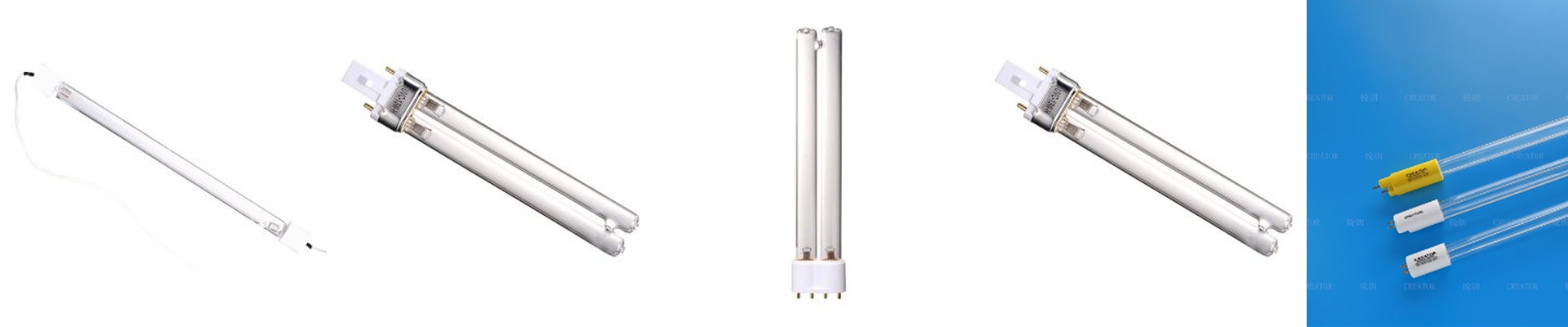
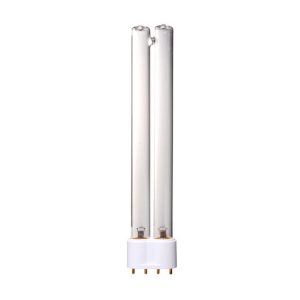
Most people see a CE mark and think “paperwork.” Just another hoop to jump through, right? But in the world of UV curing and sterilization, that little label is actually your safety net. It’s the baseline. It means the electrical insulation is solid, the ozone levels aren’t dangerous, and the lamp won’t overheat and melt into a puddle. Plus, if you’re eyeing the EU market, you simply can’t get your foot in the door without it. The scary stuff: Electricity When we build a custom lamp, we aren’t just guessing at the wattage. We’re obsessing over the ballast, the wiring, and the quartz envelope to make sure they can handle those nasty voltage spikes. CE rules force us to be strict about dielectric strength. We test for leakage current because nobody wants a machine chassis that becomes “live” the moment you touch it. If you throw a cheap, non-certified lamp into a fast-moving production line, you’re asking for tripped breakers. Or worse—a fire. Dealing with the heat UV lamps get hot. Really hot. We use high-purity quartz to keep the light moving, but that kind of heat density can chew through standard connectors in no time. That’s why we document every single temperature limit. You’ve got to match your cooling—whether you’re using forced air or water jackets—to those specs. It’s a delicate balance. If your lamp runs just 10 degrees too hot, you could lose thousands of hours of lifespan. It’s a waste of money. Saving yourself the headache If you’re selling to big OEMs in Germany or Italy, they aren’t going to gamble their entire machine’s reputation on a “budget” lamp. Here’s the thing: one non-compliant part kills the certification for the whole system. It’s a nightmare. We handle the technical files and the Declaration of Conformity for you. That way, you can just drop our lamps into your assembly and move on with your day. You don’t have to audit every single solder joint, and the liability stays with us, not on your shop floor.