Stop the Flicker: Keeping Your UV Setup Stable in a Noisy Shop
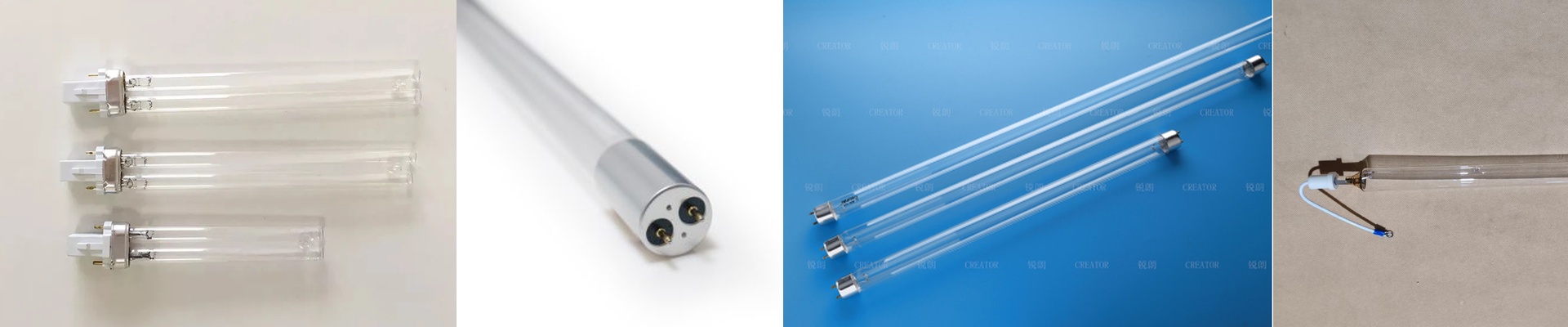
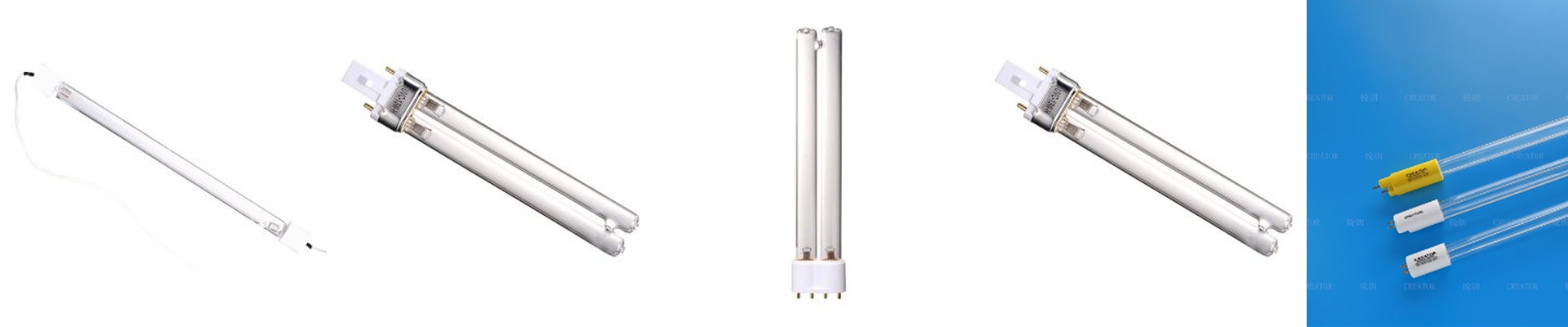
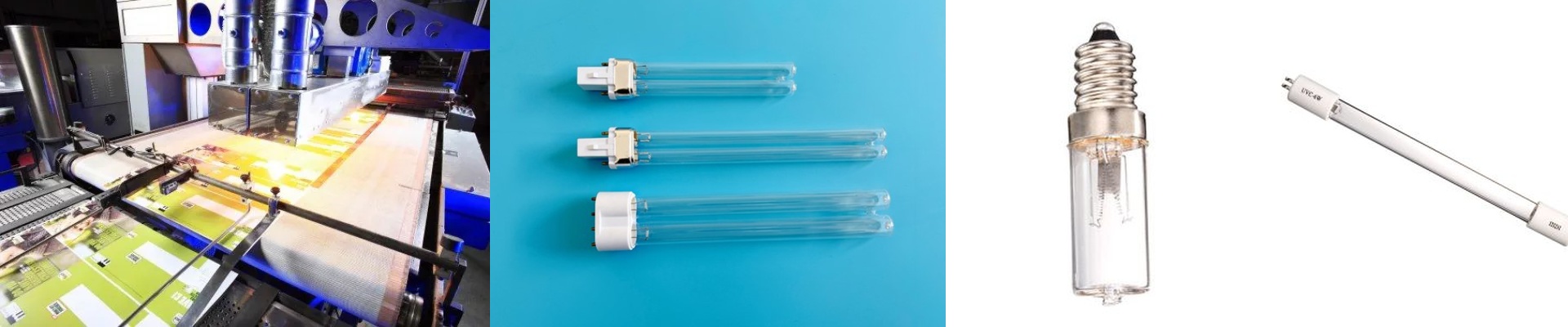
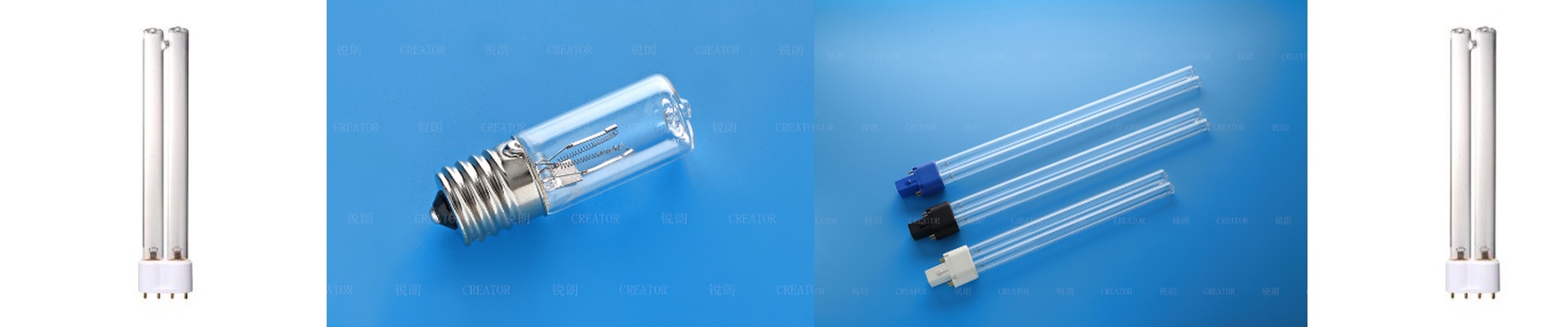
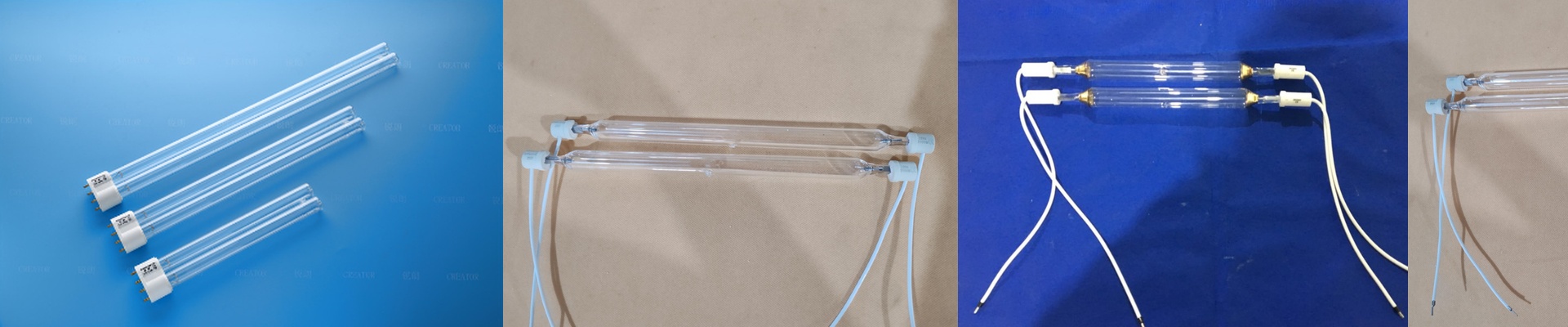
If you’ve got a few large printing presses running in one shop, you know exactly what the electrical environment is like. It’s a mess. Between the motors, the pumps, and those heavy conveyors, there’s a constant stream of electrical noise humming through the walls. For most electronics, that’s a nightmare. It’s the kind of “dirty power” that trips breakers or makes your UV lamps flicker. And when a lamp flickers, you lose output. Simple as that. We built our energy-saving UV germicidal lamps to actually live in these kinds of environments without flinching.
Dealing with the Noise
Here is the problem: most UV lamps just aren’t built for the shop floor. Their ballasts can’t handle the random power spikes that happen when a neighboring press kicks into high gear. You’re just waiting for that one surge to kill your productivity. We took a different approach. We used reinforced shielding and tweaked the circuitry so the lamps just… stay on. It comes down to how the ballast handles current. We picked components that basically ignore those transient voltage spikes. While a standard lamp might flicker or burn out early because your power supply is “dirty,” ours just keeps humming along.
Power, Heat, and a Little Bit of Maintenance
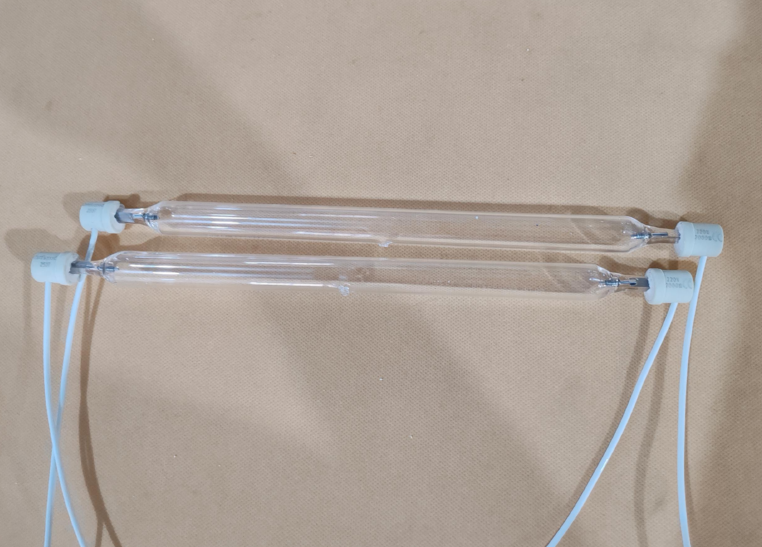
When we talk about “energy saving,” we aren’t talking about lowering the power. That wouldn’t work. Instead, we focused on making sure more of that electricity actually turns into UVC photons rather than wasted heat. We did this by tightening the tolerances on the quartz envelope and the electrode positioning. But there is a catch. Because these lamps push out a higher density of photons, your reflectors have to work harder. If your reflectors are coated in ink mist or thick dust, you’re throwing away the energy savings. Keep them polished. It’s a small chore, but it makes a massive difference in your actual UV intensity.
Getting Them Running
The best part? These are drop-in replacements. You don’t need to rebuild your entire setup. Just wire them into your existing racks. One tip:**make sure your grounding is solid.**If your grounding is sloppy, it cancels out all the anti-interference work we put into the hardware. Get the grounding right, and you’ve got a steady, reliable UV output that doesn’t care what the rest of the factory is doing.