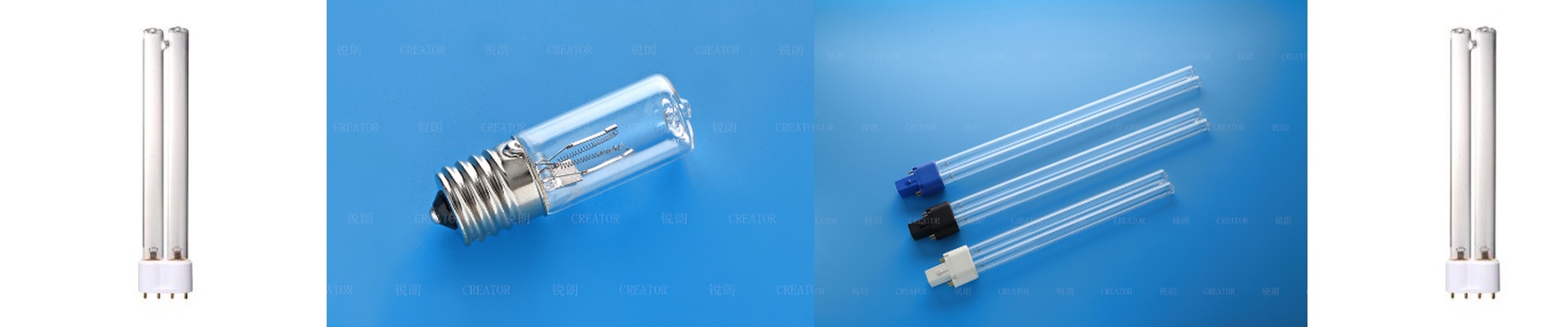
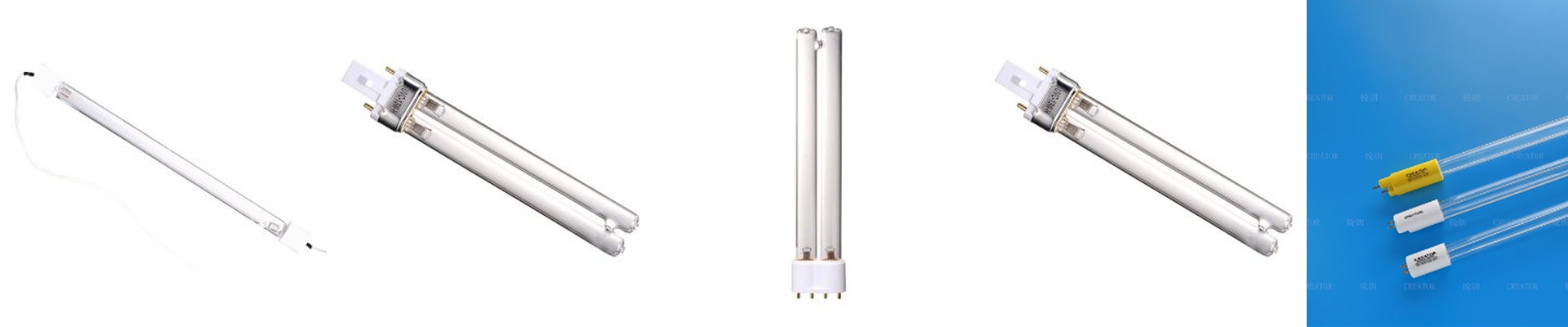
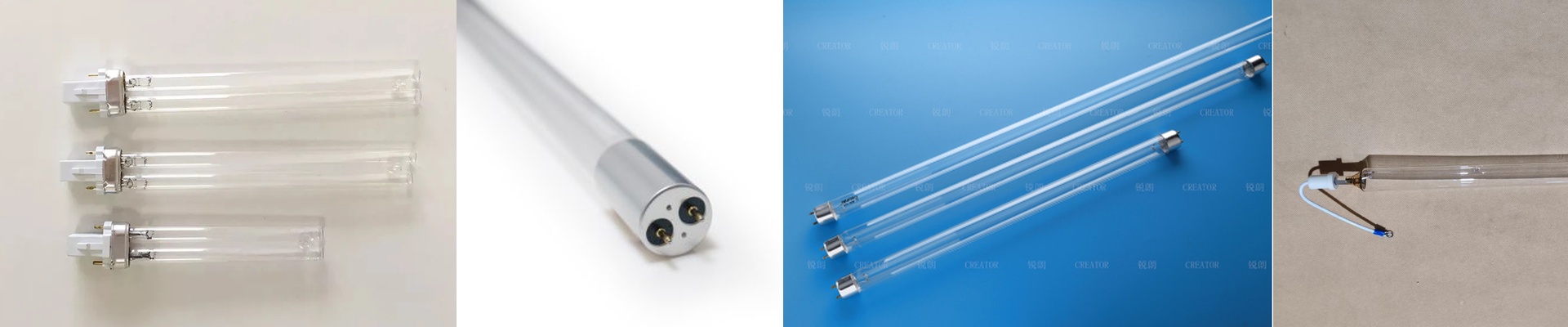
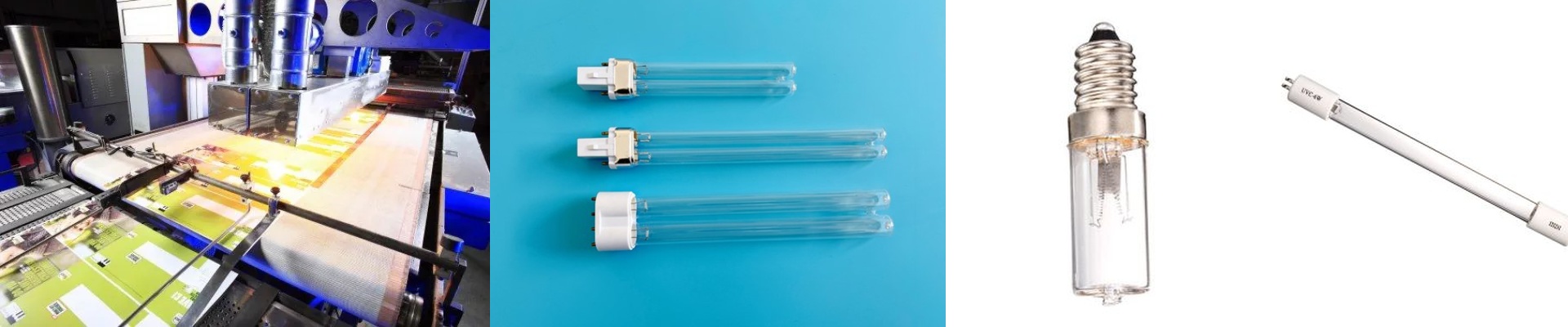
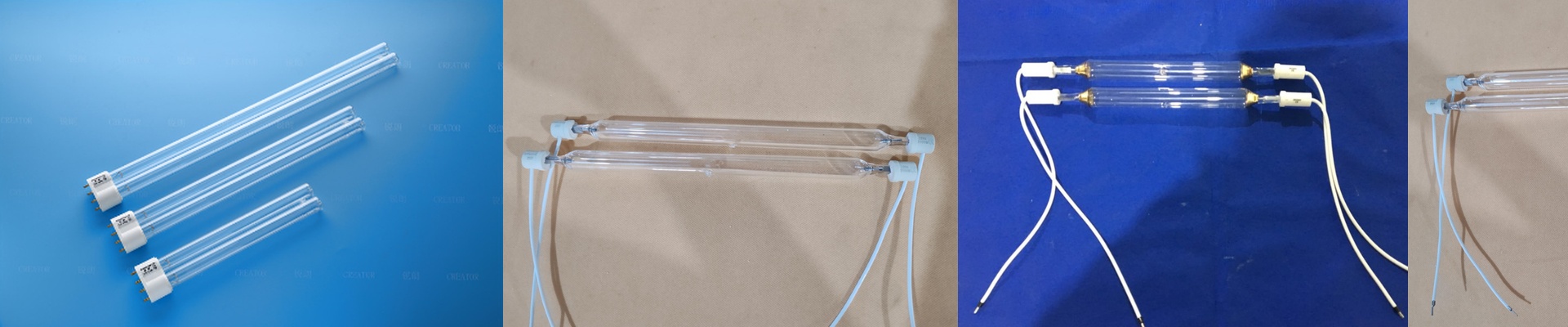
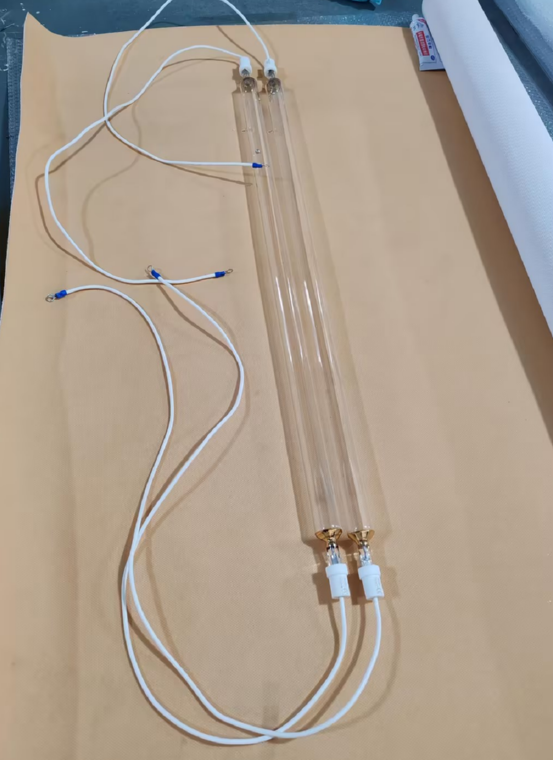
The Truth About 120W/cm Mercury UV Lamps: Heat, Hassles, and Legal Headaches
If you’re running a high-speed curing line, a 120W/cm mercury UV lamp is basically your heavy lifter. It’s designed to punch through photo-initiators and get the job done fast. But there’s a catch. At this power level, things gethot. I mean really hot. If your cooling system isn’t pulling that heat away fast enough, you’re asking for trouble. You’ll either see the quartz envelope start to warp, or the lamp’s lifespan will just plummet. It’s a fragile balance.
Managing the Heat
That 120W/cm number isn’t just about how fast you can cure. It’s a massive electrical load on your ballast and a lot of stress on the lamp ends. Since these lamps operate under high internal pressure, the fit has to be perfect. If the lamp doesn’t match your reflector geometry, you’ll get “hot spots.” Those are essentially death sentences for the tube. And a quick tip: check your airflow. If the air is just sitting there, that lamp will cook your substrate before the UV even has a chance to cure it.
The Customs Nightmare
Buying the lamp is the easy part. Getting it across a border? That’s where things get messy. Here’s the thing: the way electrodes are shaped and the specific gas mixes used inside these lamps are often patented internationally. If you buy from a supplier who’s just copying someone else’s tech, there’s a decent chance customs will seize your shipment. We handle this by using our own patented designs. We make sure our lamps are “safe for export” so you don’t accidentally trip over some IP lawsuit or have your gear flagged as a knock-off the moment it hits the docks.
Making it Fit
Most of these are designed to be drop-in replacements, but don’t just assume they’ll slide right in. Small mistakes—like a tiny mismatch in length or a pin that’s slightly off-center—can lead to arcing. That’s a sound you really don’t want to hear. Just double-check your physical footprint before you commit to a bulk order. It saves a lot of swearing later on.