Getting Your UV Systems to Actually Save Energy
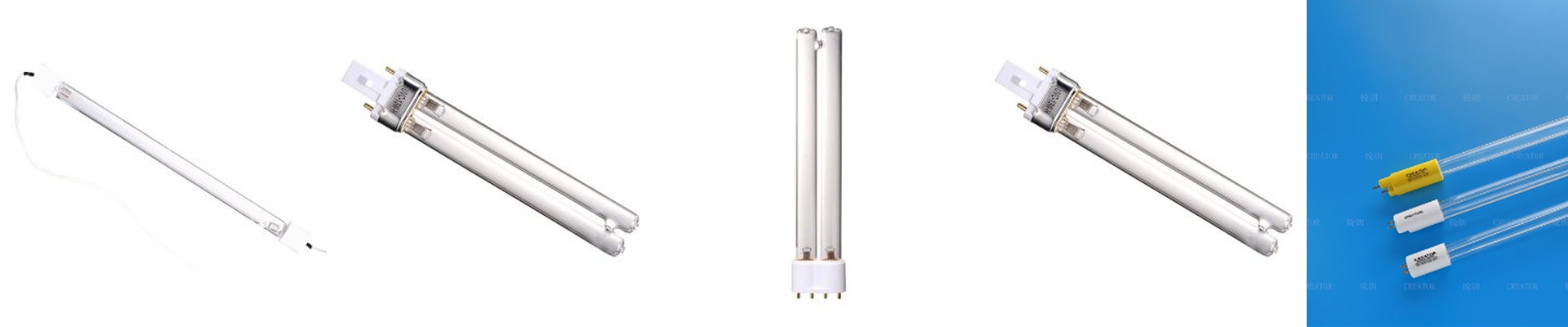
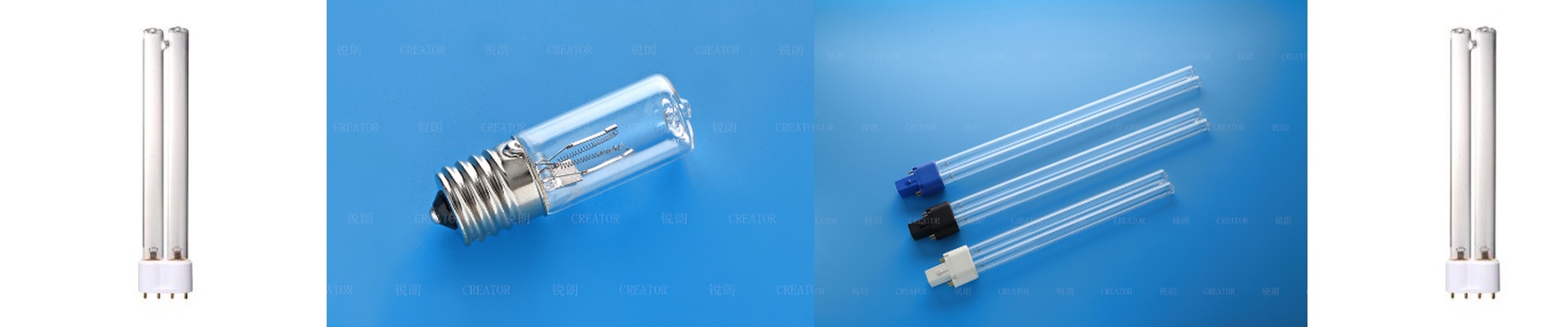
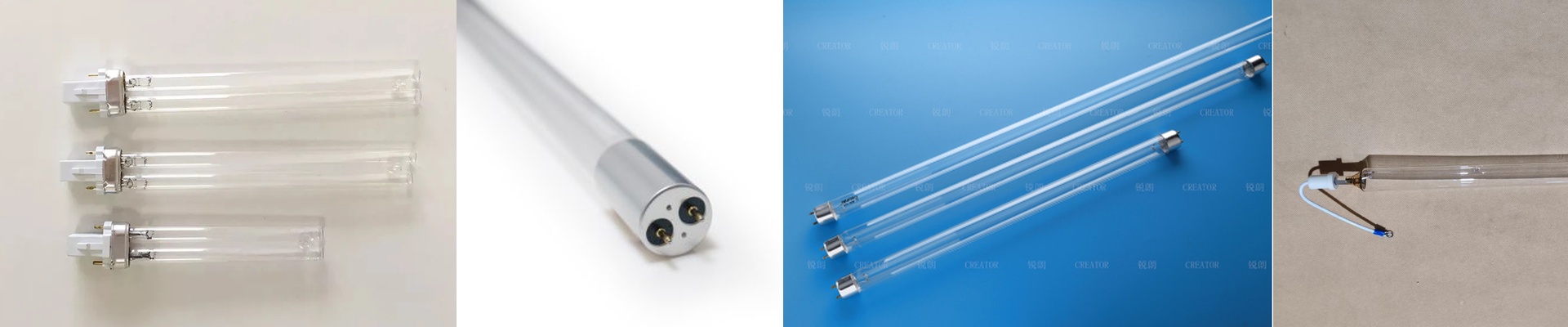
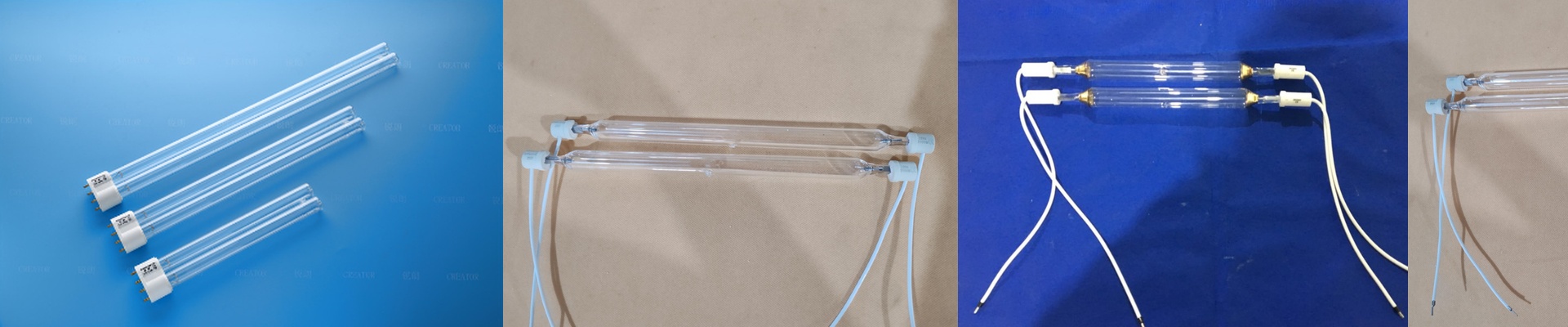
Here’s the thing about UV germicidal lamps: they aren’t just parts you plug in and forget about. If you’re trying to hit a specific sterilization goal or get a printing line to cure properly, you’re basically playing a balancing act with wattage, wavelength, and heat. We spend most of our time figuring out how to keep your output steady while cutting down on power. Because if you don’t, your lamps are just going to burn out way too fast.
The Truth About Power Density
Saving energy usually comes down to two things: the ballast and the gas mix inside the tube. When we’re picking a lamp, we look at how many milliwatts you get for every watt you put in. Simple enough, right? The better that efficiency, the more UVC photons you get without turning your conveyor system into an oven. If you cram too much wattage into a tiny space, the quartz envelope overheats. Once that happens, the light shifts, your curing speed tanks, and you’re left staring at a problem you didn’t need.
Dealing With the Heat
We use high-transmittance fused quartz. Basically, it means the UV-C light doesn’t get stuck inside the glass, which keeps the internal temperature from spiking. But you’ve got to do your part with the cooling fans. If your airflow is weak, the lamp runs hot. The mercury vapor pressure climbs, and the life of your tube plummets. It’s a brutal trade-off: you want more intensity? You better have the cooling to match, or you’re just wasting money on replacement bulbs.
Making it Work on the Line
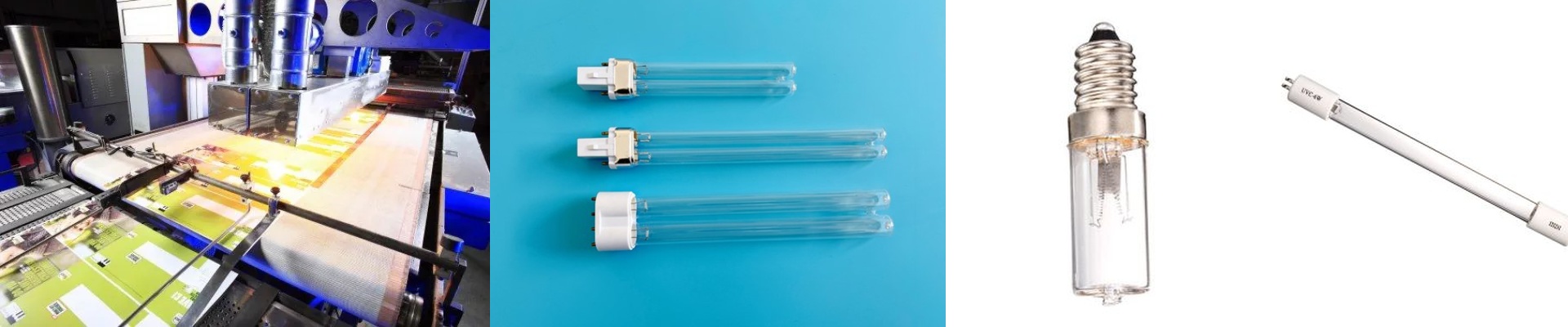
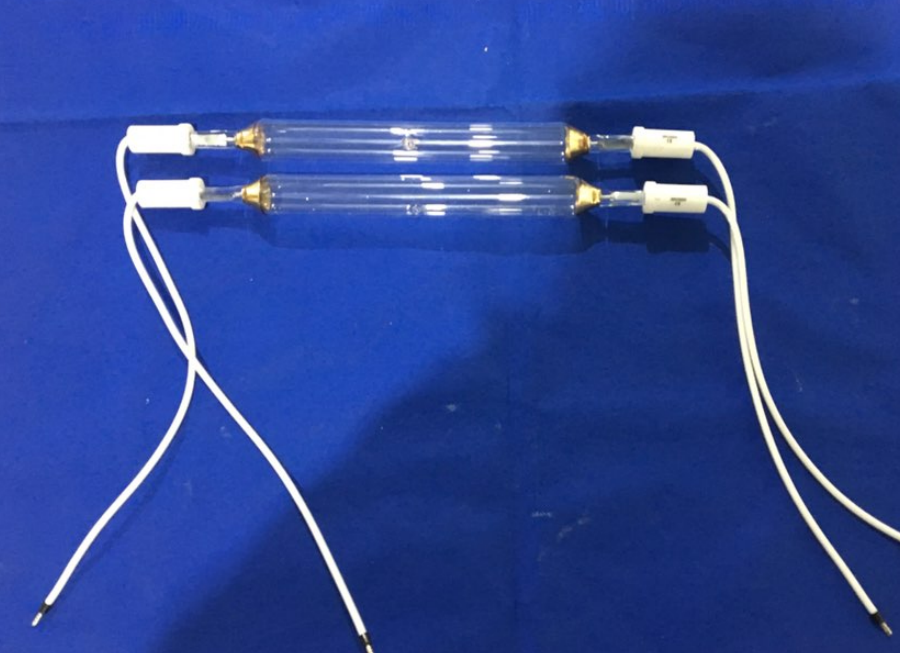
If you’re running a printing or coating process, the lamp is only as good as where you put it. We can help you nail the distance between the lamp and your material to get the most punch out of the light. Plus, using energy-saving lamps means you can run longer lines without worrying about blowing a fuse or overloading your electrical panel. Just keep in mind that lower-energy lamps might mean you have to slow down your belt a bit to get that same “kill rate” or a perfect ink cure. It’s all about matching your speed to the light.