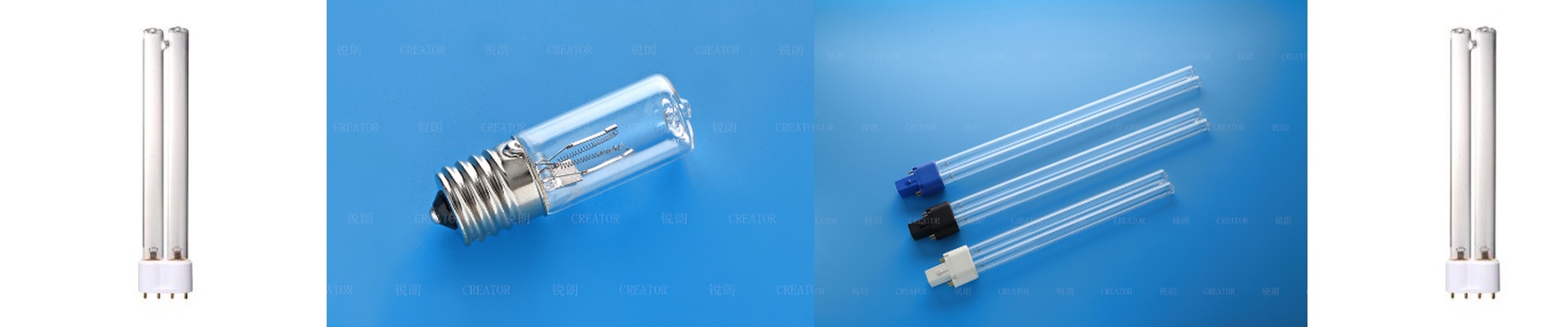
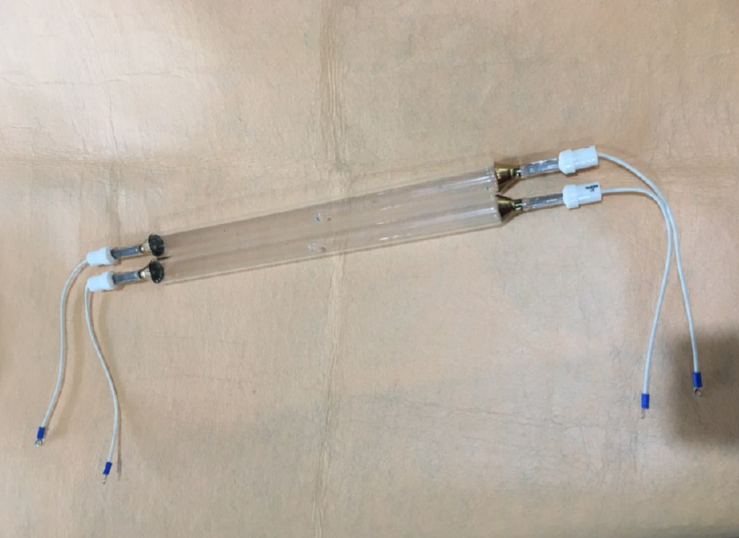
Let’s talk about the 80W/cm Mercury UV Lamp
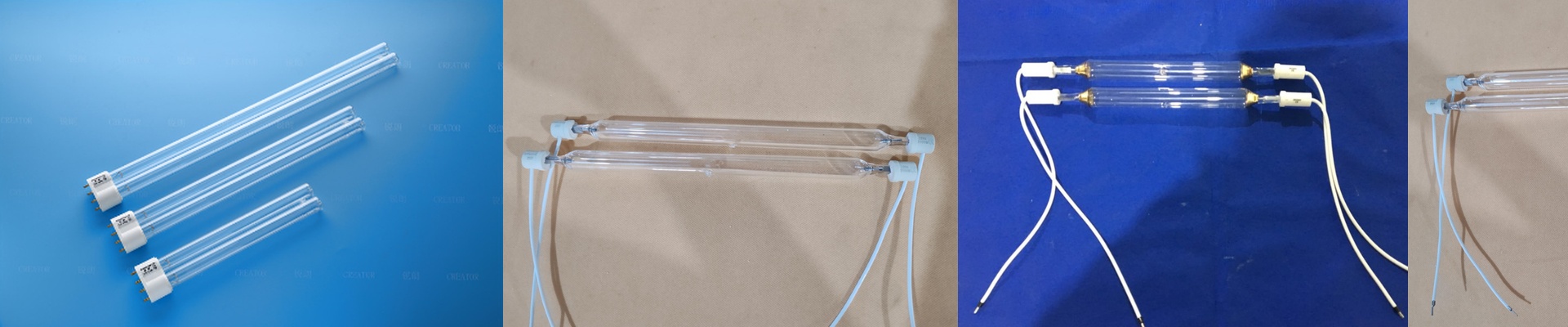
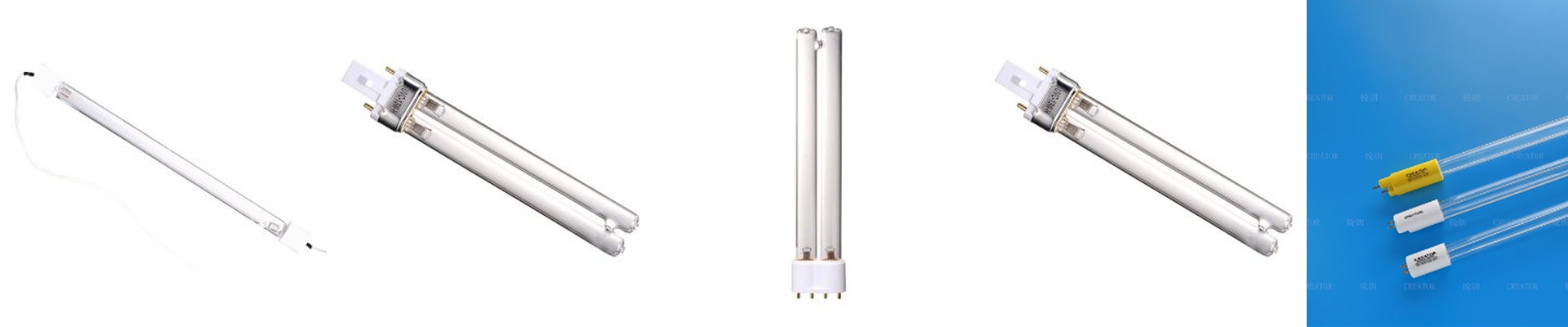
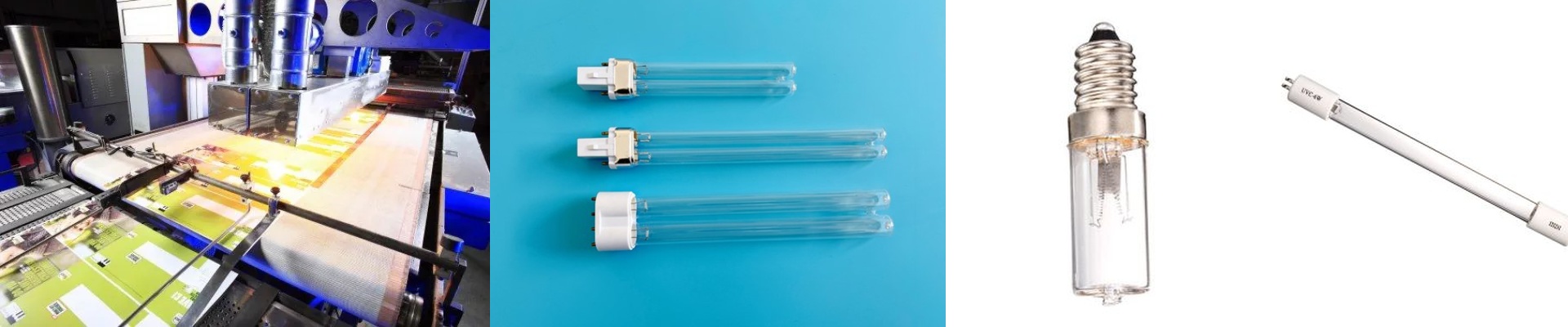
If you’ve spent any real time in a print shop, you know that mercury lamps are basically the backbone of the whole operation. We built our 80W/cm lamps to do one thing really well: get your inks and coatings cured and dried, consistently, every single time. What does 80W/cm actually mean for you? Think of it as the “muscle” of the lamp. When we talk about linear power density, we’re really talking about how fast you can run your conveyor. More wattage per centimeter means more photons hitting the ink. The result? You can crank up the speed of your line without worrying about the ink staying tacky or smudging. Plus, because mercury vapor hits those key peaks at 254nm and 365nm, it handles everything from the surface pigments down to the deeper layers of the ink. It just gets the job done. The nuts and bolts We don’t cut corners on the build. The envelope is made from high-purity fused quartz. Why? Because regular glass would just melt under the heat or block the UV light entirely. Inside, the mercury gas is pressurized to keep the arc stable. But here is a pro tip: make sure your ballast matches the lamp’s impedance. If the ballast is too weak, you’re going to deal with flickering or, worse, a lamp that burns out way before its time. Getting it on your floor We designed these to be easy drop-in replacements for most mid-sized presses. And honestly, we wanted to make sure the smaller shops—the ones who need custom lengths but don’t have a corporate budget—could actually afford them. Just a heads-up on the heat. These lamps put out a lot of infrared. If you’re working with thin plastics or anything that might warp, you’ll want a solid cooling system or you’ll need to move the lamp a bit further away from the product. And one last thing: plug it into a stabilized power source. Voltage spikes are the fastest way to crack that quartz, and nobody wants to deal with that mid-shift.