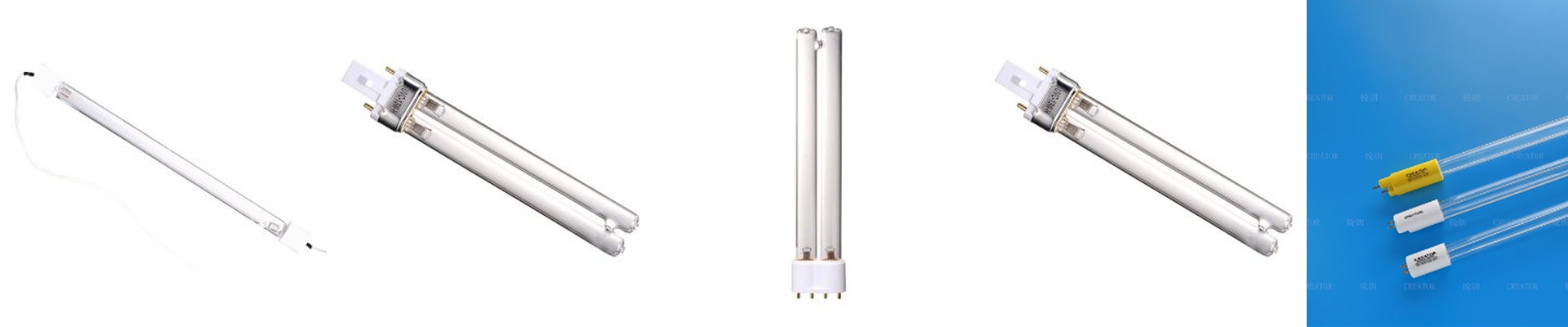
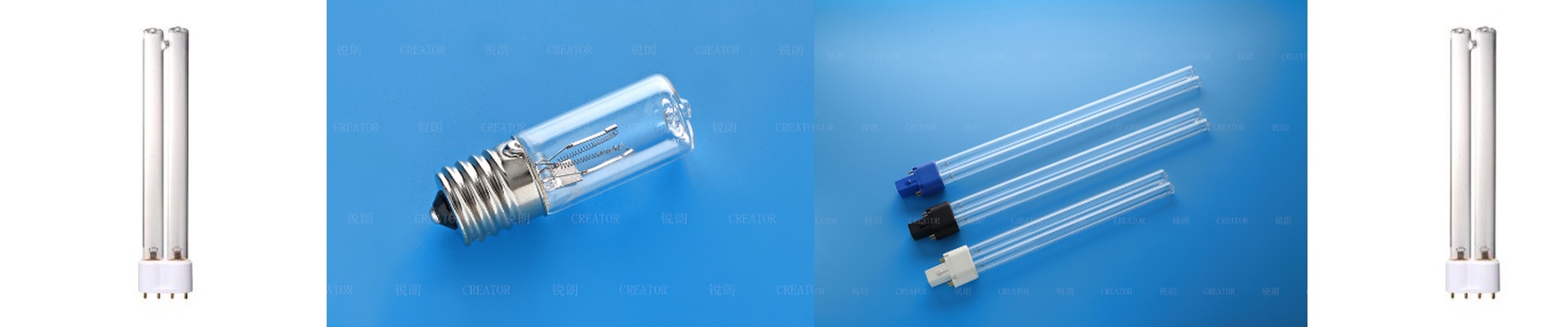
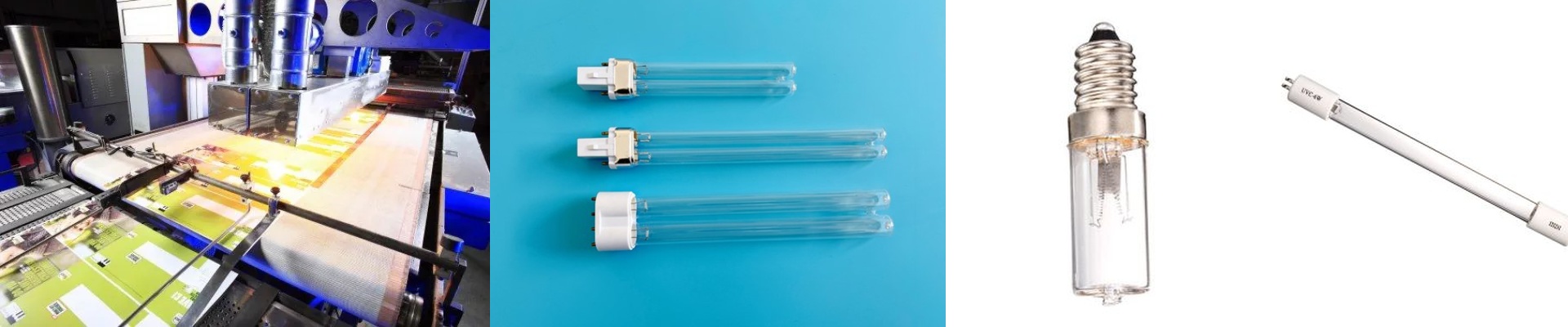
Getting Your UV Curing Right: The Deal with Gallium Iodide Lamps
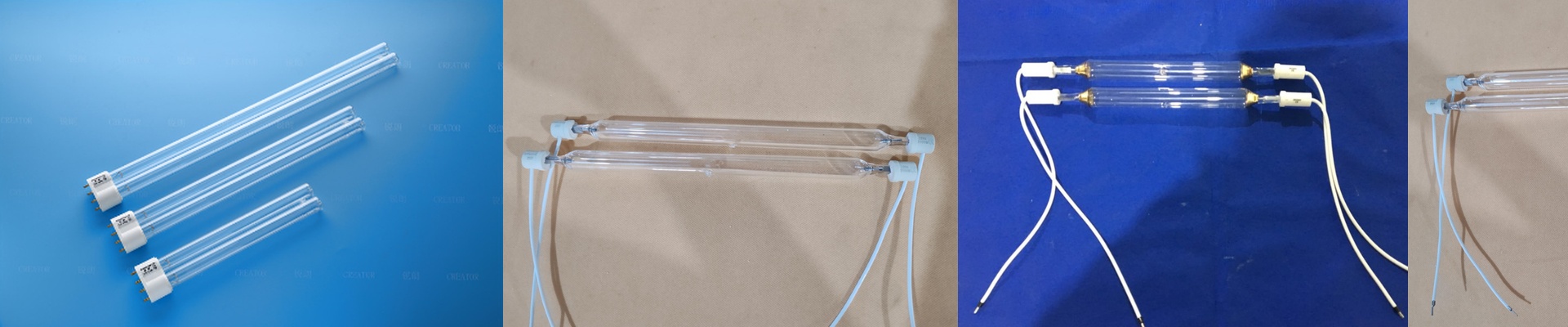
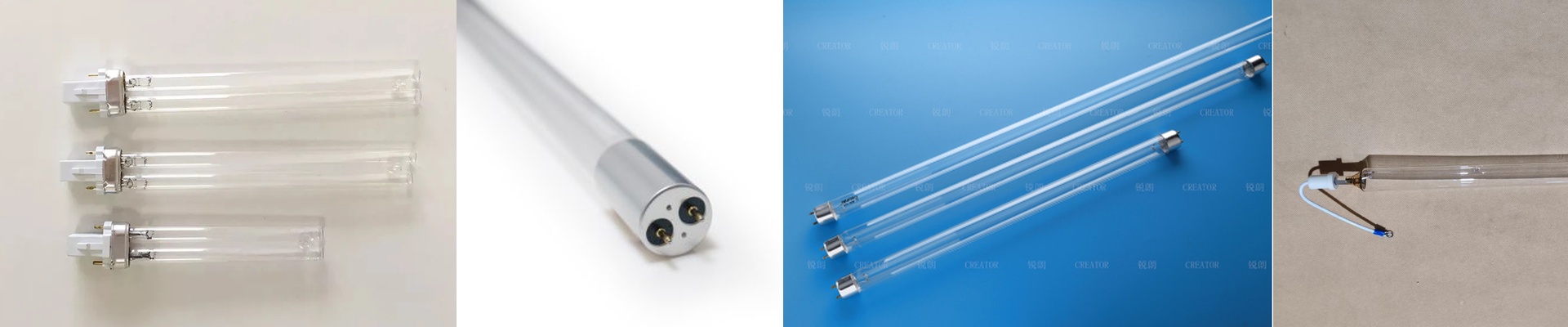
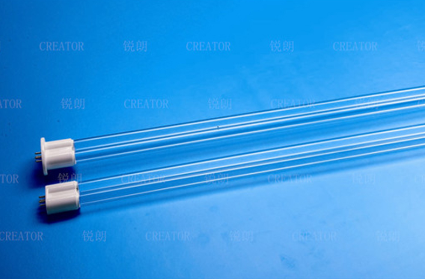
Ever had a project where the ink looks dry on top, but the second you touch it, it’s still tacky underneath? It’s a nightmare. Usually, it’s because standard mercury lamps just can’t punch through thick ink or heavy pigments. The light hits a wall and stops. That’s where gallium iodide (GaI) comes in. Instead of fighting the ink, we shift the light. By moving the energy into the longer UV-A and UV-B wavelengths, the light actually sinks deep into the substrate. It doesn’t just sit on the surface. Getting the cure from the bottom up The secret is in the gas mix. By swapping or adding gallium to the mercury, we create a lamp that speaks the same language as the photoinitiators in those heavy-duty industrial inks. The result? The ink cures from the bottom up. No more “skinning” where the top hardens and traps wet ink underneath. It just works. Built for your specific setup We don’t do “one size fits all.” If you have a weird footprint, a specific wattage, or a non-standard length, we build it to fit. We use quartz envelopes that can actually handle the internal pressure and heat without popping. But a heads-up: high-wattage GaI lamps gethot. Like, really hot. If you’re squeezing these into a tight housing, make sure your fans or water jackets can keep up. If they can’t, you’re just asking for a burnt-out tube. Swapping them in The good news is these are generally drop-in replacements. As long as your voltage matches, you can wire them right into your current ballast system. One thing to keep in mind: gallium lamps run at different temperatures than the mercury ones you’re used to. You might need to tweak your conveyor speed to get the curing rate just right. We’ll give you the exact wavelength peaks, too. That way, you can dial in your ink chemistry perfectly—getting a rock-solid bond without accidentally scorching your material.