Getting Your PCB Exposure Right with Gallium Iodide Lamps
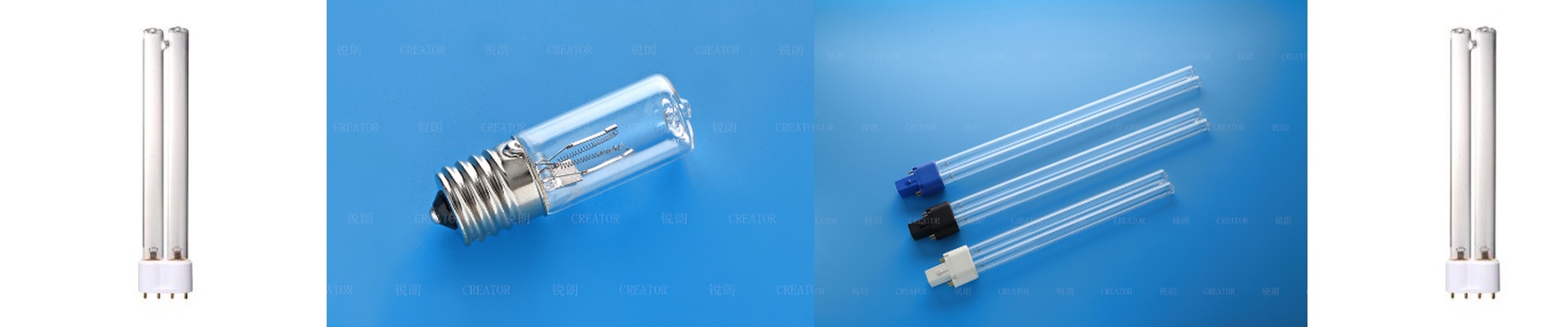
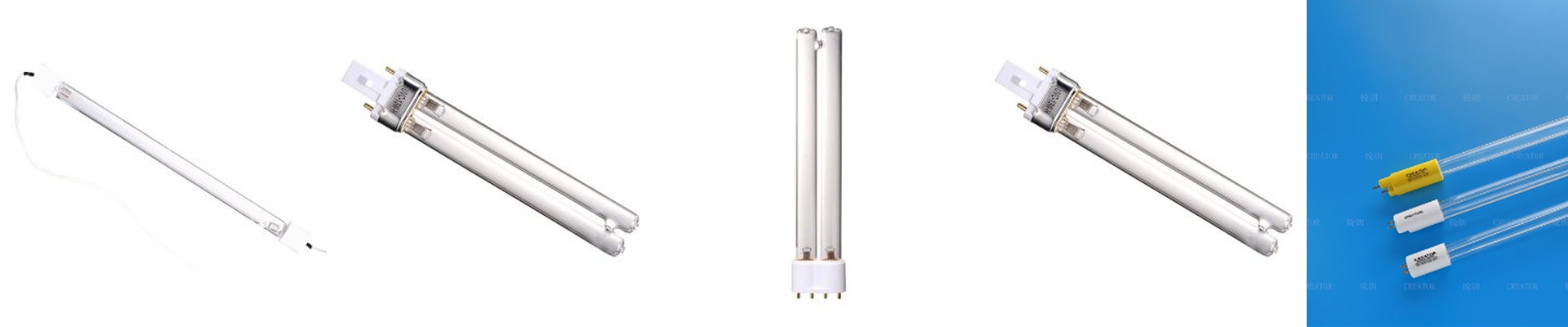
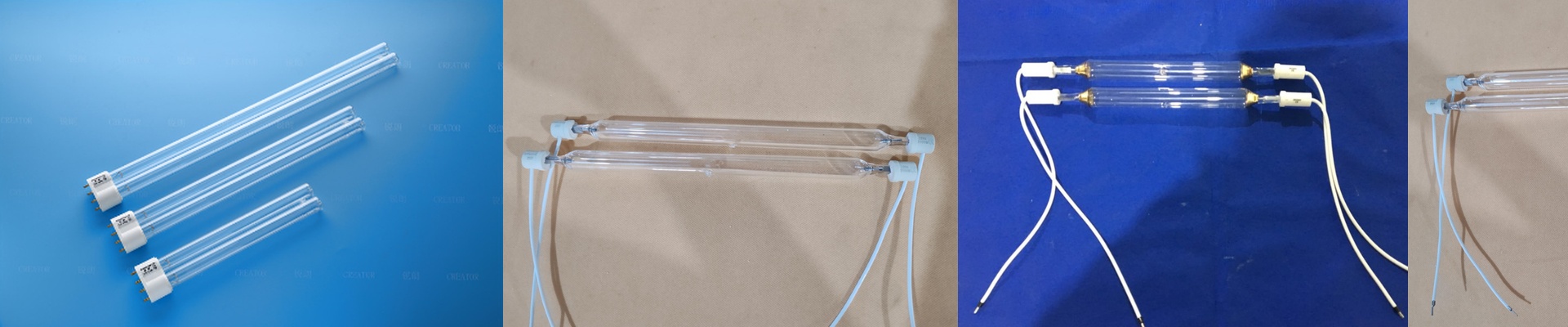
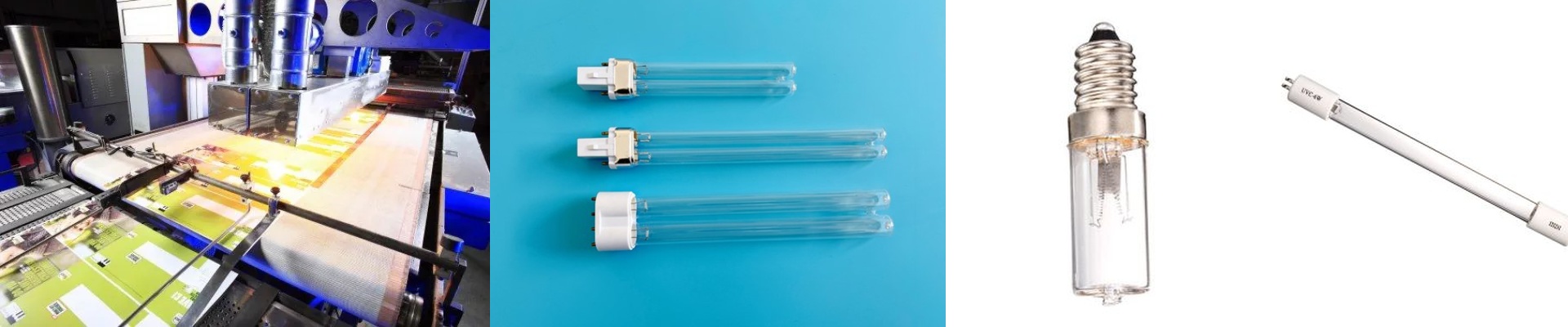
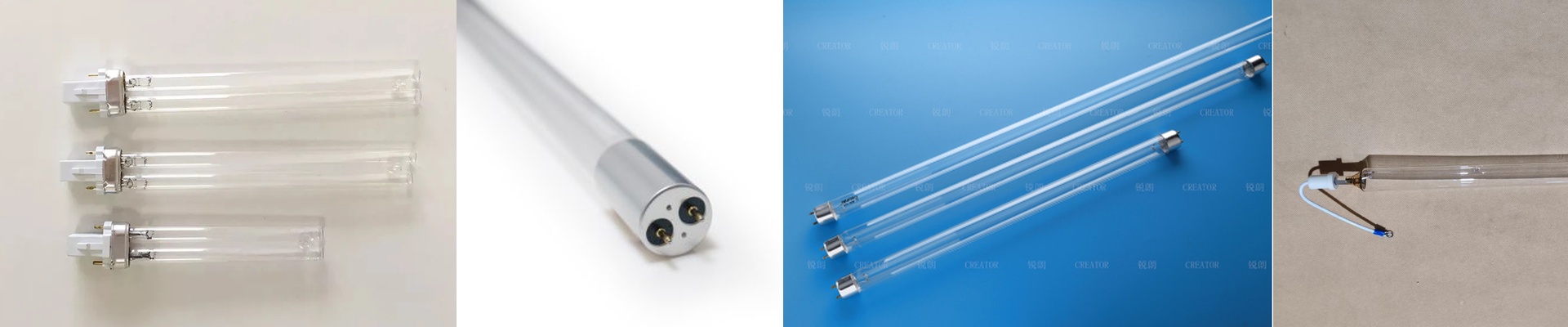
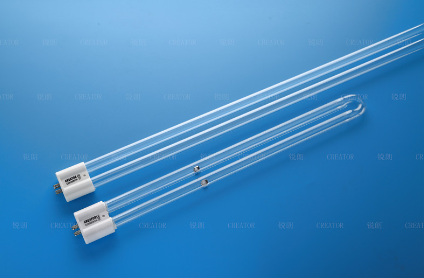
If you’re running a PCB line, you know the drill. You need that photoresist to hit exactly right, or the whole batch is trash. That’s where Gallium Iodide (GaI) lamps come into play. Unlike those basic mercury lamps, these guys hit a very specific, short-wave UV sweet spot. It’s the kind of precision that lets you trigger the reaction you need without accidentally cooking your substrate. The science bit (kept simple) We aim for a peak between 250nm and 300nm. Why? Because that’s what makes the photoresist harden fast. If that wavelength drifts even a little, things go south. You’ll start seeing under-cured spots or those annoying “bleeding” edges on your traces. To stop that from happening, we use a high-purity gallium iodide fill. It keeps the light tight and predictable. Handling the heat We build these tubes out of high-quartz glass. If we didn’t, the glass itself would just soak up the UV light, and you’d lose all your power. We dial the intensity up high so you can keep your conveyor moving fast. But here’s the catch:these things get hot. Seriously hot. If your cooling fans aren’t doing their job, the lamp temperature spikes. When that happens, the spectral output shifts and the tube dies way sooner than it should. You’ve got to make sure your cooling system can actually handle the wattage, or you’re just burning money. Fitting them into your line Think of these lamps as the engine of your exposure unit. We make them as drop-in replacements, so you don’t have to rewire your whole shop just to swap a bulb. It’s a quick switch. Now, there is a trade-off. GaI lamps don’t live as long as low-pressure mercury ones. You can’t just “set it and forget it.” You need to keep a close eye on your run-hours. The second that intensity dips below a certain point, your etch quality drops. To avoid scrapping a mountain of boards, just stick to a strict replacement schedule. It’s much cheaper to replace a lamp early than to toss a thousand ruined PCBs.