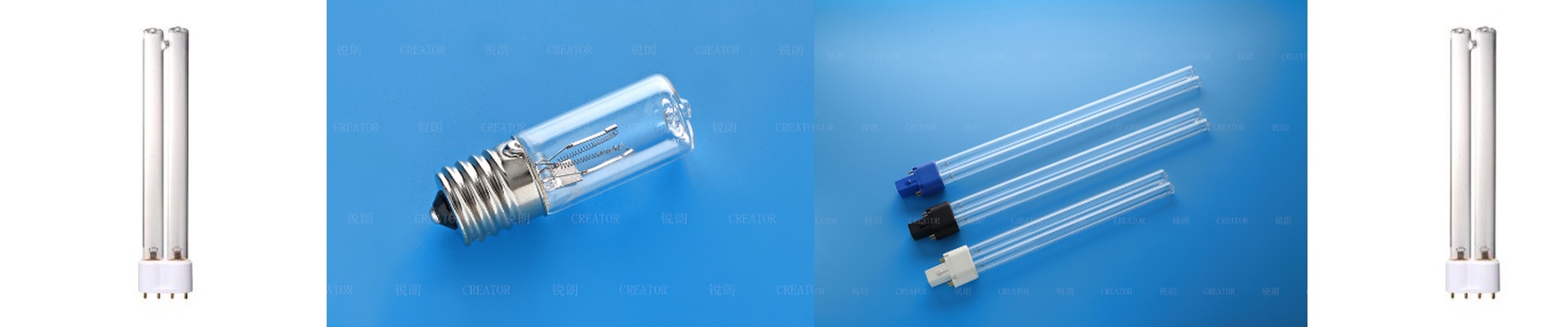
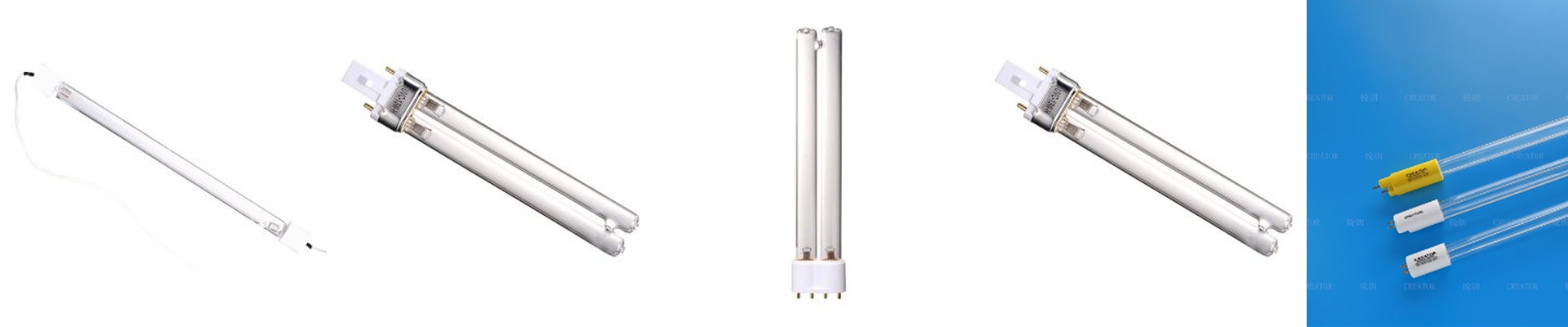
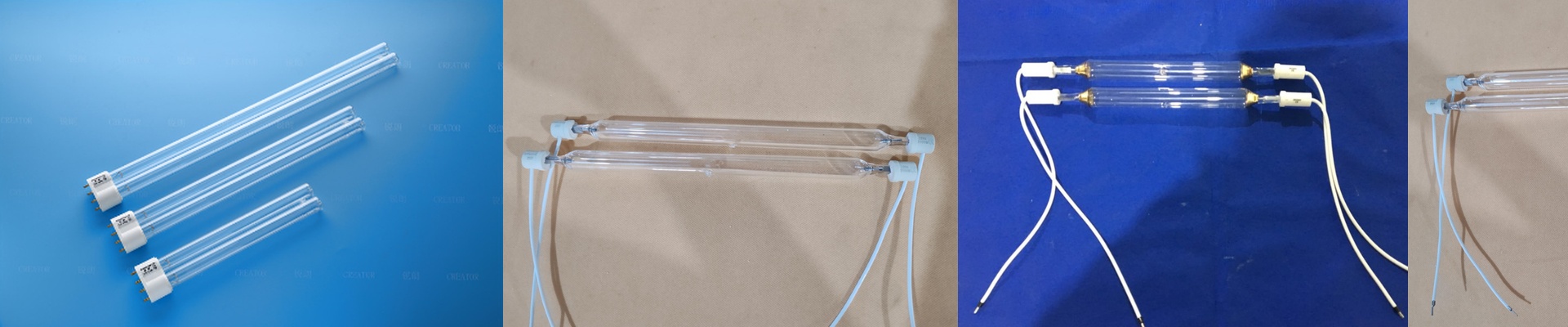
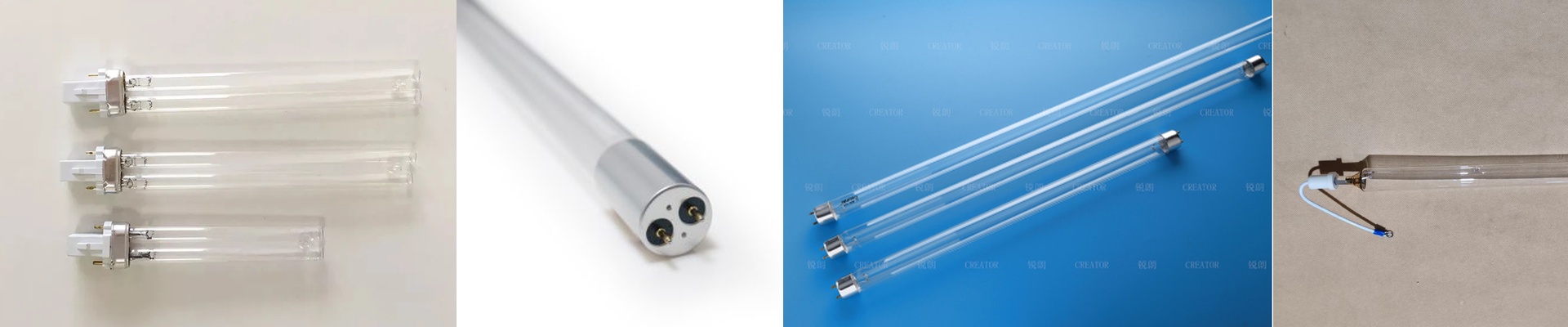
Stop Guessing if Your UV Lamps are Actually Working
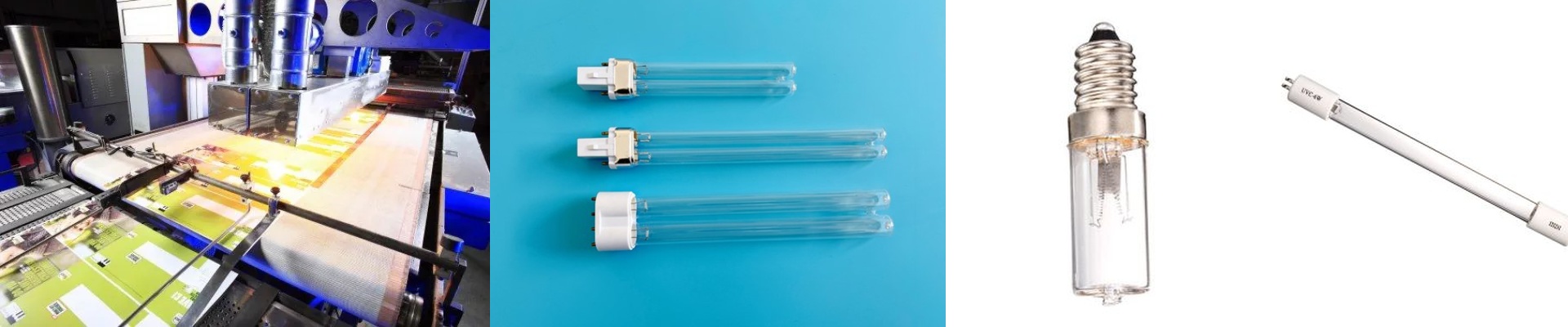
Most UV germicidal lamps are pretty basic. They’re either on or they’re off. You set a timer, the light kicks in, and you just… hope for the best. You hope the output is still strong enough to do the job until the next time someone remembers to check the maintenance log. It’s a lot of guessing. We wanted to fix that. So, we built energy monitoring right into the lamp circuitry. Now, your hardware isn’t just a “dumb” bulb hanging in a room—it’s a live data point on your network.
The Problem with “Estimated” Lifespans
Here’s the tricky part about UV lamps: they fade. They lose their punch over time, but they still draw the same amount of current. You can’t just look at a lamp and tell if it’s dying. It looks fine, but it isn’t killing anything. We added sensors that keep an eye on power consumption and voltage spikes in real-time. If a ballast starts acting up or a cathode wears down, you’ll see it in the data before the sterilization cycle actually fails. No more surprises.
The Engineering Struggle
Making a lamp “smart” isn’t as simple as slapping a chip on it. More hardware means more space, and we still wanted to keep the housing compact. We ended up using industrial-grade telemetry modules that send power data straight to a central PLC. This lets you see exactly how much energy you’re using per square meter. It turns a vague feeling into a hard number.
The Trade-offs
I’ll be honest: adding more tech means more things that could go wrong. More solder joints and a higher risk of electrical noise if the shielding isn’t spot on. You’ll also want to make sure your control cabinet has enough breathing room for the controllers. But the payoff is worth it. We aren’t just selling you a bulb. We’re giving you a way to measure exactly how much juice it takes to kill a pathogen in your specific setup. Just wire it to your dashboard, watch the kWh, and swap out your lamps when the data tells you to—not because a calendar says it’s Tuesday.