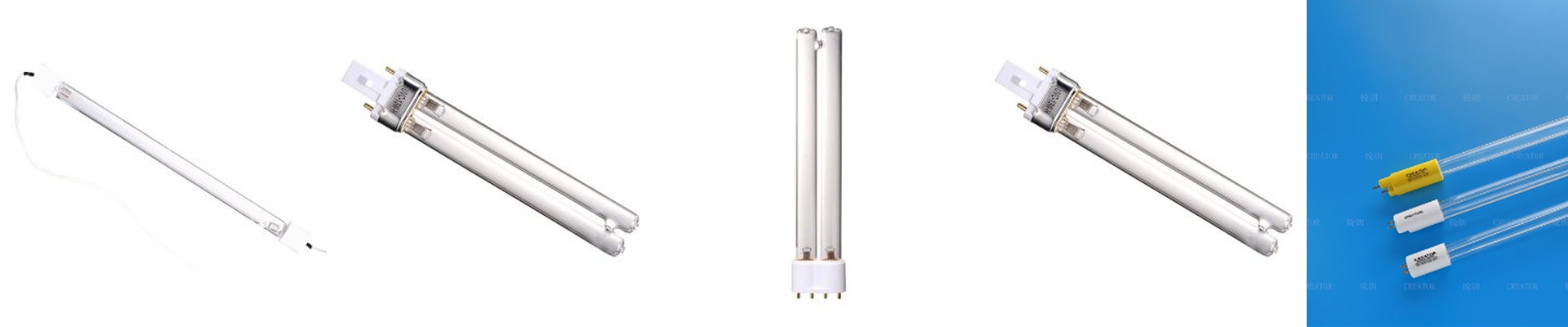
Dealing with Electrical Noise in 120W/cm Mercury UV Lamps
If you’ve ever worked on a heavy industrial floor, you know the vibe. It’s loud, it’s chaotic, and the air is practically thick with electrical noise. When you have a handful of massive presses humming away at once, that electromagnetic interference (EMI) becomes a real headache. If your lamp’s ballast or electrodes aren’t built for that kind of environment, you’re going to have problems. I’m talking about annoying flickering or, worse, the arc just giving up on you way too early.
The reality of 120W/cm power
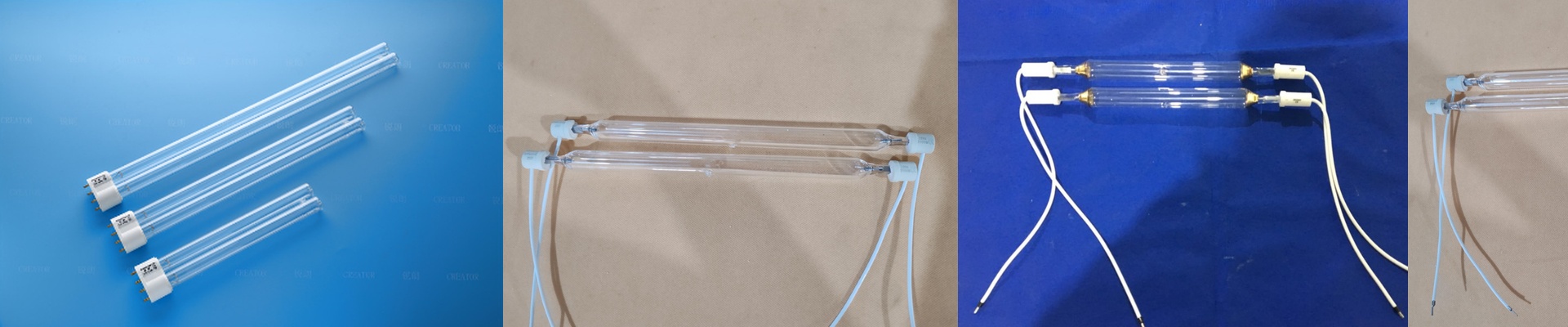
To get those fast-cure inks and coatings to actually set, you need serious intensity. That’s why we push for 120W/cm. We keep the electrode spacing and mercury vapor pressure incredibly tight to hit that mark. But here’s the catch: all that energy creates a lot of heat.A lot. Make sure your cooling blowers are cranked up and doing their job. If they aren’t, that quartz envelope is going to overheat, and you’ll be replacing your lamps way more often than you want to.
Stopping the “stutter”
Most UV lamps start acting up the second they’re placed next to a high-voltage motor or a frequency inverter. It’s a common frustration. We handle this by tweaking how the lamp and the power supply talk to each other. By fixing the impedance mismatch, we basically block out the external noise that tries to mess with the plasma arc. It makes a huge difference. We’ve seen shops running five or more presses on one grid where the lamps just stay steady. No more micro-stutters, which means no more of those frustrating “stripes” showing up in your finished cure.
Getting them onto your floor
We designed these to be drop-in replacements. The footprints are standard, so you can swap them out and get back to work quickly. One quick tip, though. These lamps are tough against interference, but they still pull a lot of current. If your presses are sitting more than 10 meters away from the control cabinet, use shielded cabling. It keeps things clean and prevents the lamps from sending noise back into your sensor lines.