Stop the Flicker: Dealing with Electrical Noise in UV Setups
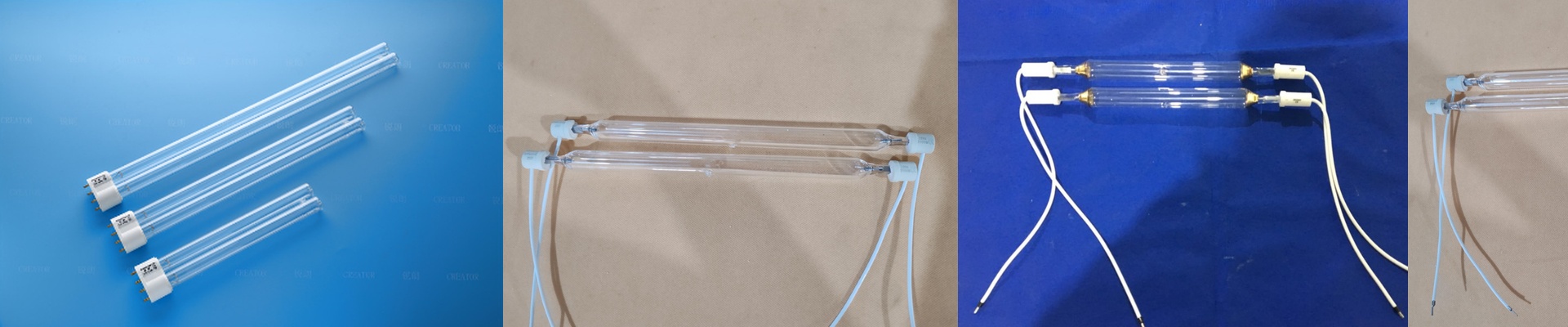
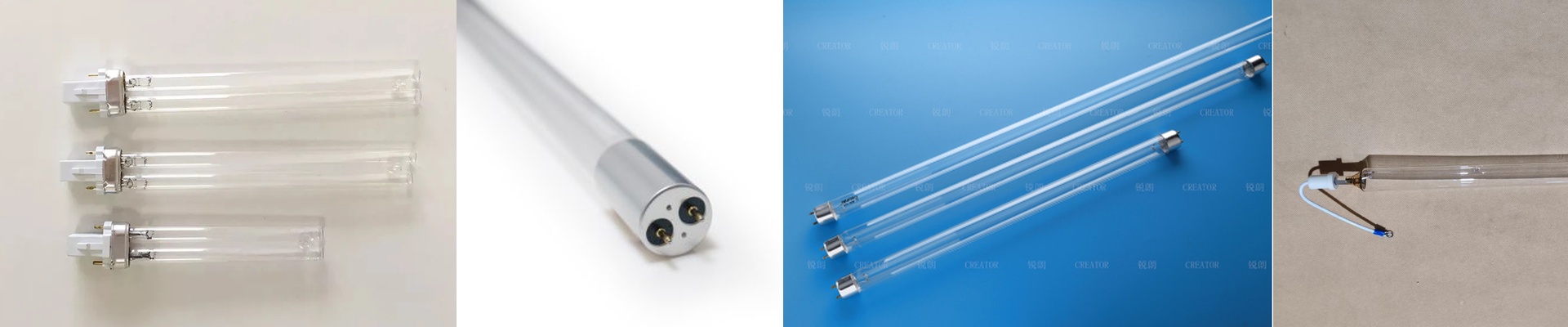
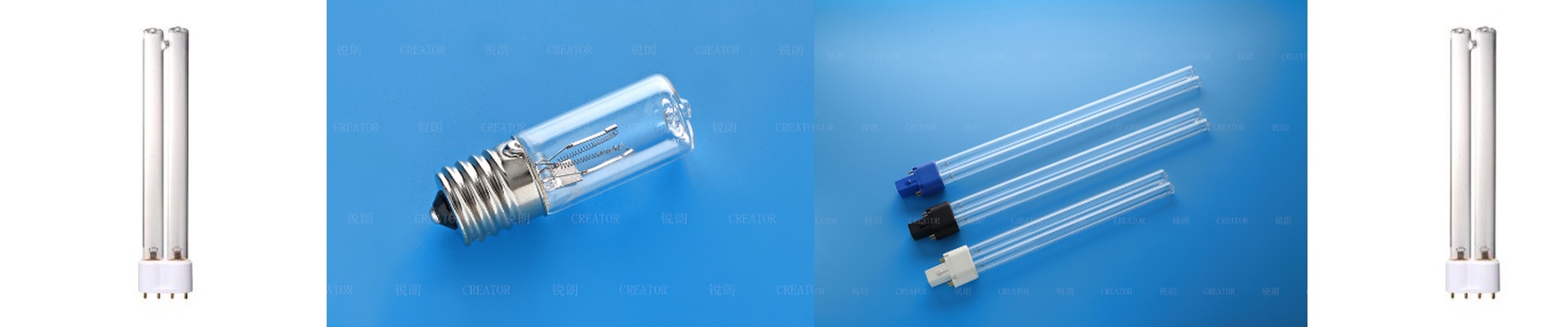
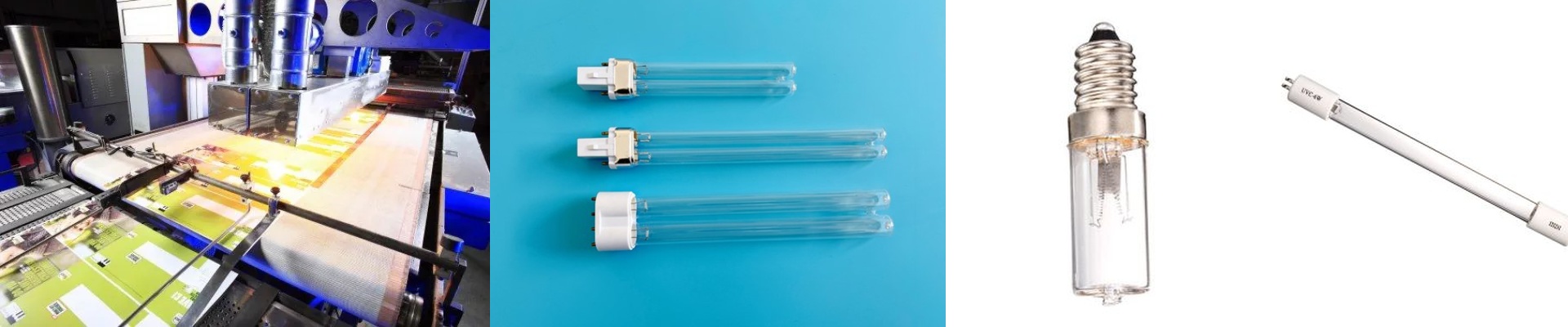
If you’ve spent any time on an industrial printing floor, you know it’s a loud place. I don’t just mean the noise you can hear. I’m talking about the electrical noise. When you have several massive presses running at once, all those heavy motors and VFDs create a mess of electromagnetic interference (EMI). For a standard UV lamp ballast, that’s a nightmare. It leads to that annoying flickering, lamps burning out way too early, or the whole system just tripping for no apparent reason. It’s frustrating. How we handle the chaos We built our energy-saving UV lamps to actually survive this kind of environment. Here’s the thing: most budget lamps use cheap capacitors. They just can’t keep up with the high-frequency noise coming off the grid. We took a different route. We use heavy-duty EMI filters and shielded parts to block that noise before it ever reaches the lamp arc. The result? A steady plasma discharge. You won’t see your light output dip just because the press next to you kicked into high gear. Staying steady when things get shaky In a shop with multiple machines, your voltage is rarely a straight line. It swings. We focused heavily on ignition stability. If a lamp can’t strike a clean arc because the line is “dirty,” you end up with those half-lit tubes or a system that keeps restarting. We tuned the startup voltage so the lamp fires every single time, regardless of the electrical madness happening around it. A couple of honest trade-offs I’ll be straight with you—better protection takes up more room. Because we use substantial filtering hardware, our power supplies aren’t as slim as the ones you’d find in a consumer-grade driver. Just make sure your control cabinet has enough physical space for the larger ballasts. And one last tip: please, check your grounding. No matter how much filtering we build into the lamp, poor grounding will let the noise right in. Connect your equipment to a common copper bus. That’s the only way to actually get the stability we’ve engineered into these things.