Getting Your UV Lamps Right in Textile Printing
When we build UV germicidal lamps for textile printing, we aren’t just selling you a lightbulb. We’re giving you a tool to lock in ink and keep your fabrics clean. But let’s be honest: you’re dealing with high-energy radiation here. It’s powerful stuff, and you have to treat it with respect.
The Nitty-Gritty on Output
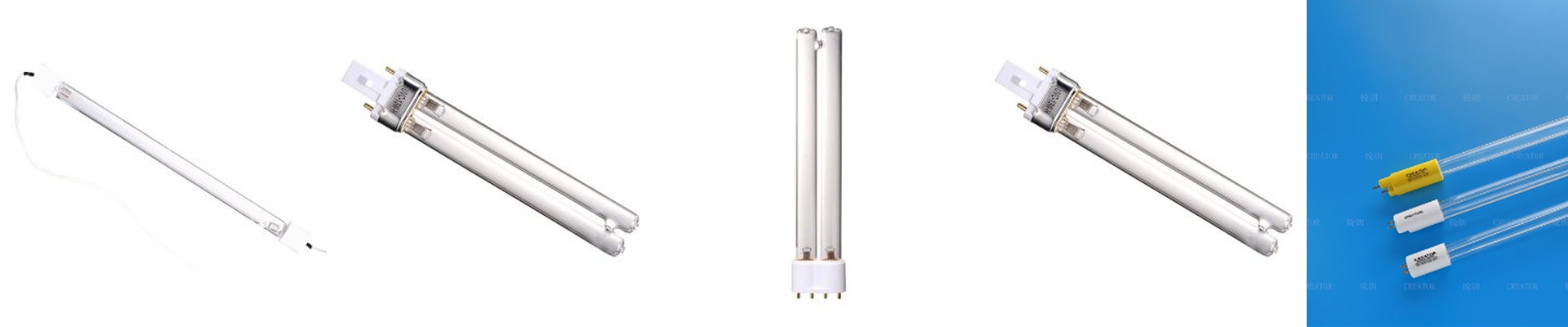
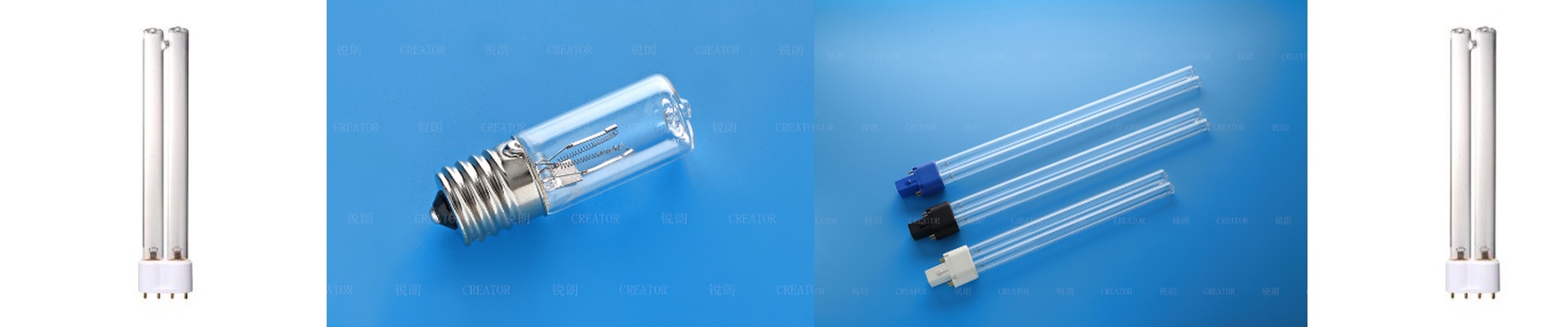
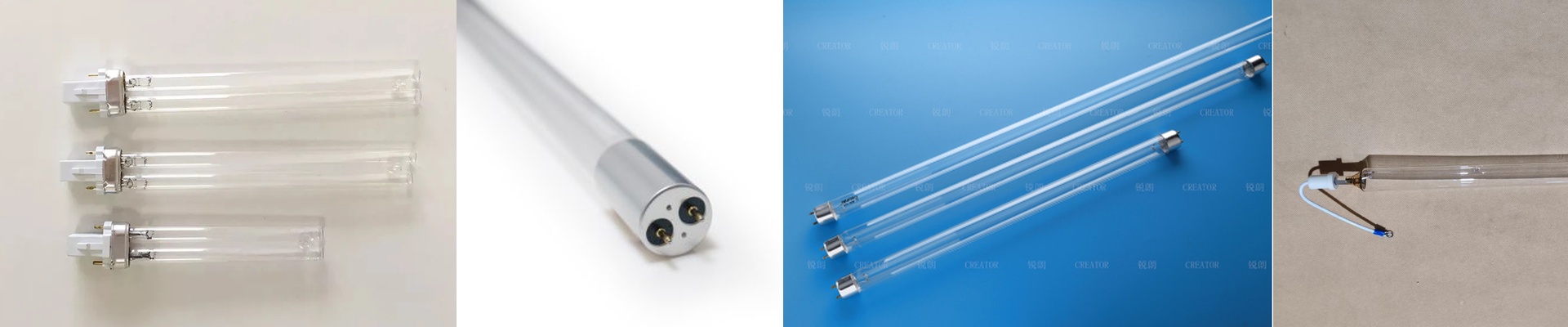
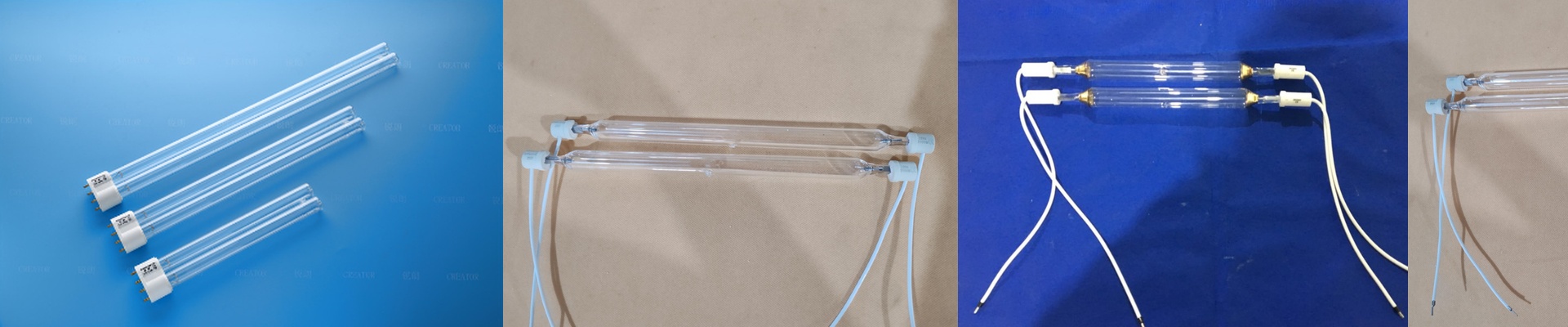
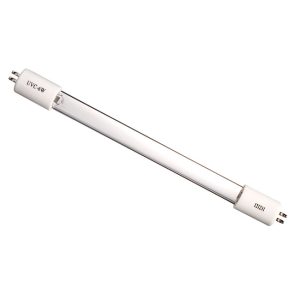
Most of our industrial lamps hit that 254nm sweet spot in the UVC spectrum. Now, if you’ve got fabric flying through your line at high speeds, you need a lot of power. That’s why we play around with wattage and voltage. More wattage means more “punch,” which lets the fabric move faster without sacrificing the cure. One thing to watch out for? The glass. We only use high-purity quartz. If you try to use standard soda-lime glass, you’re out of luck because it blocks the UV entirely. It’s basically a fancy paperweight at that point.
Making it Work on the Shop Floor
Nobody wants to spend their whole shift fighting with wiring. We use standard connectors so these lamps just slide right in. It’s a tight fit—which is exactly what you want—because loose connections lead to arcing, and that’s a headache nobody needs. And then there’s the heat. Even though you’re after the UV light, these things get hot. If your cooling fans aren’t up to the task, the heat builds up, the lamp’s performance drifts, and the bulb burns out way faster than it should. Keep it cool, and it’ll last.
Staying Safe (and Saving Your Fabric)
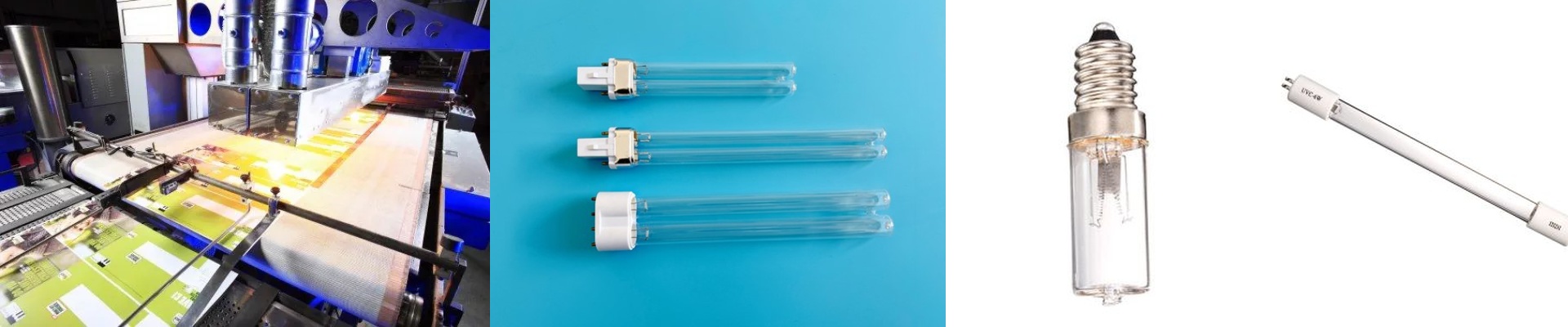
Here is the scary part: UVC radiation can burn your skin and wreck your eyes in a heartbeat. We don’t take chances with that. Every system we build has interlock switches. The second a technician opens the curing chamber, the power kills. Period. Plus, keep an eye on your materials. Some synthetic blends are sensitive. If they sit under the UV too long, they can turn yellow or start to degrade. It’s a balancing act. You have to tweak your conveyor speed and lamp intensity until you find that perfect spot where the ink is set, but the fabric isn’t scorched.