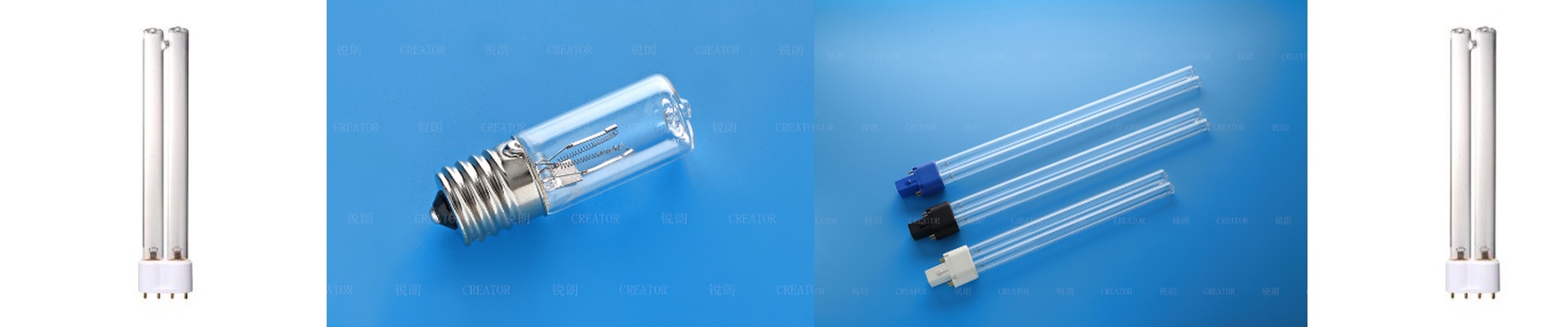
Getting the Most Out of Your High-Pressure Mercury UV Lamps
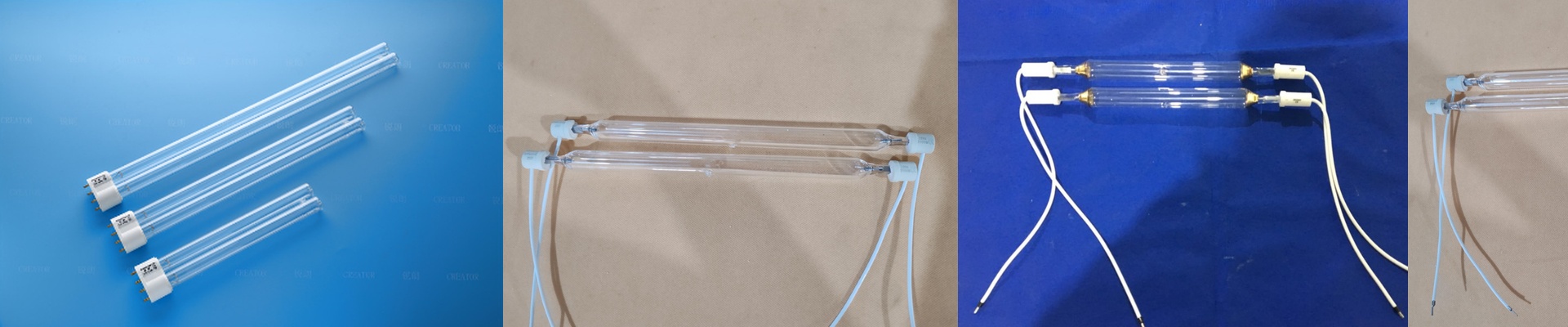
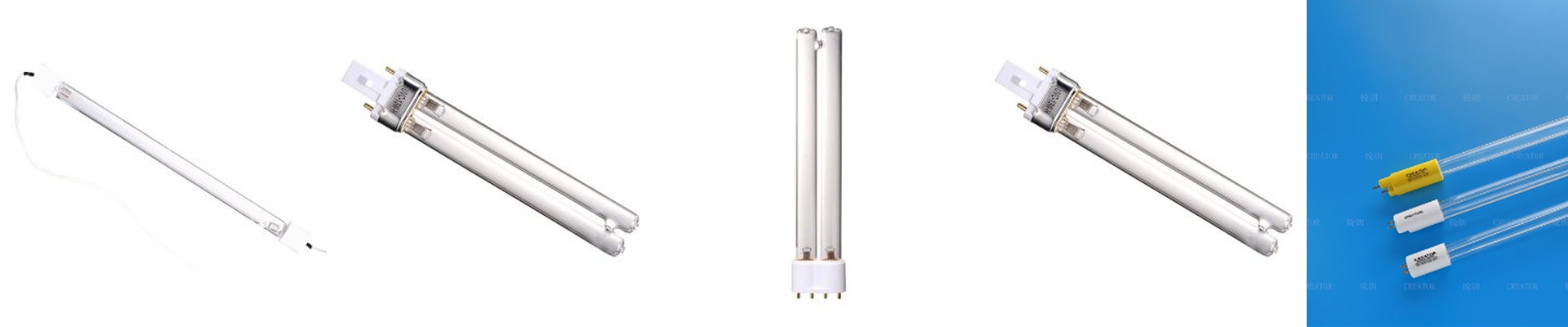
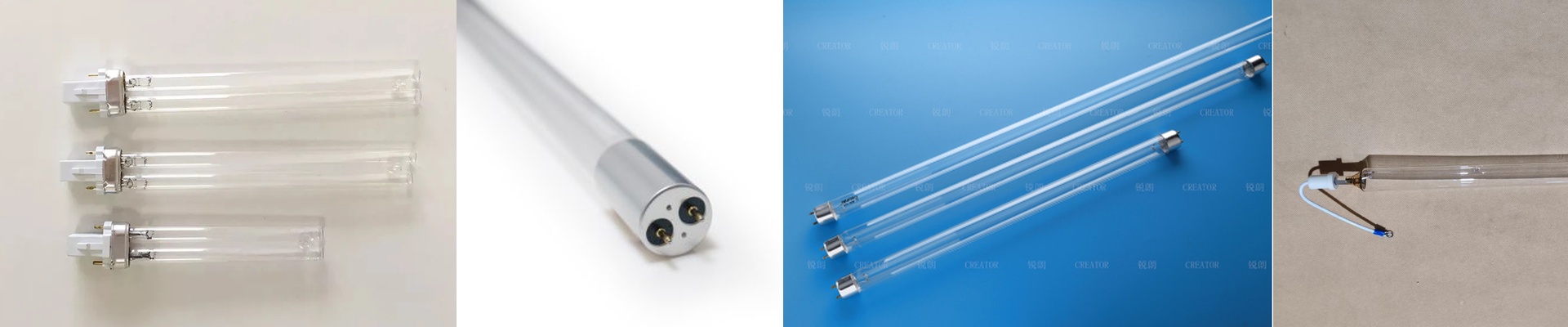
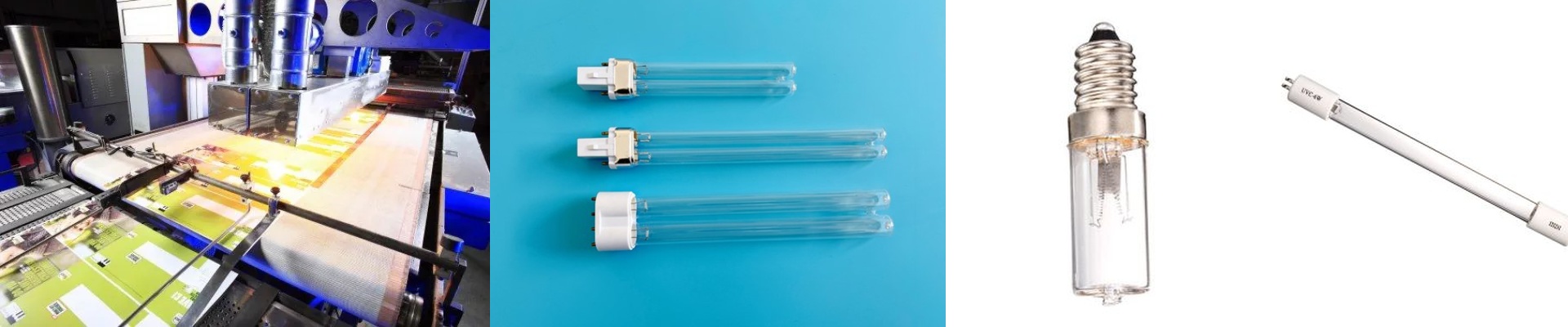
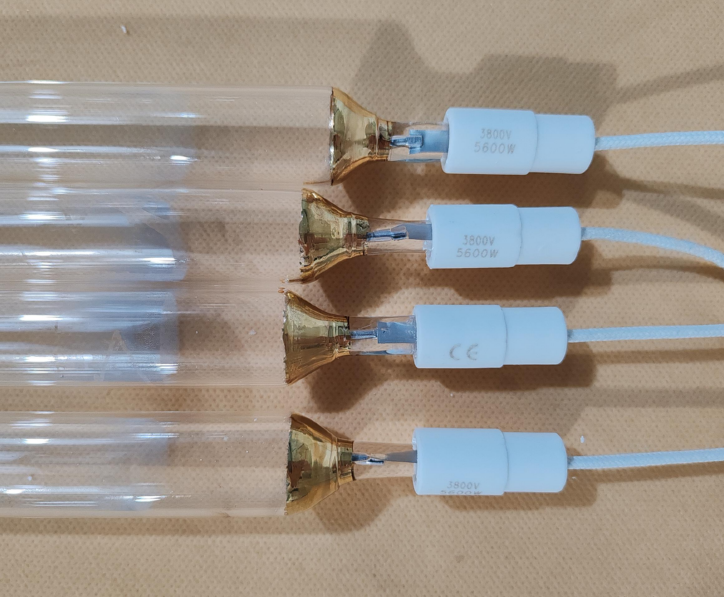
Look, there’s a reason high-pressure mercury lamps are still the go-to for curing and sterilization. They just have the raw power needed to keep an industrial line moving. When your whole throughput depends on getting the UV-C and UV-B dosage exactly right, these lamps do the heavy lifting. The balancing act: Power vs. Heat Here’s the thing about power density. It’s all a trade-off between wattage and the size of the tube. If you cram more wattage into a smaller space, you get more intensity—which sounds great—but you’re also putting a lot of stress on the quartz. We build our lamps to keep the arc stable. That means no flickering and no premature burnouts. But a word of caution: if you’re cranking up the wattage to speed up your conveyor, double-check your ballast. If your power supply can’t handle that initial startup surge, you’ll kill your lamp life by 20% to 30%. It’s a costly mistake that’s easy to avoid. Why the quartz actually matters You can’t just use any glass here. Standard glass blocks the very wavelengths you’re paying for. That’s why we use high-purity fused quartz. These tubes have to survive the intense heat of mercury plasma. You’ll notice the output smooths out once the lamp hits its operating temperature. We also obsess over the end-cap seals. Why? Because if a seal leaks, the lamp is dead. Period. Making it work in your shop We handle everything from sourcing the quartz to the final assembly. No middlemen, no unnecessary markups. Plus, these are drop-in replacements. You can swap them into your existing fixtures without having to tear out the wiring and rebuild the whole rack. One last tip: high-output lamps gethot. Really hot. Make sure your cooling fans are actually moving enough air. If the quartz overheats, it loses its ability to transmit UV over time. Keep them cool, and they’ll keep working.