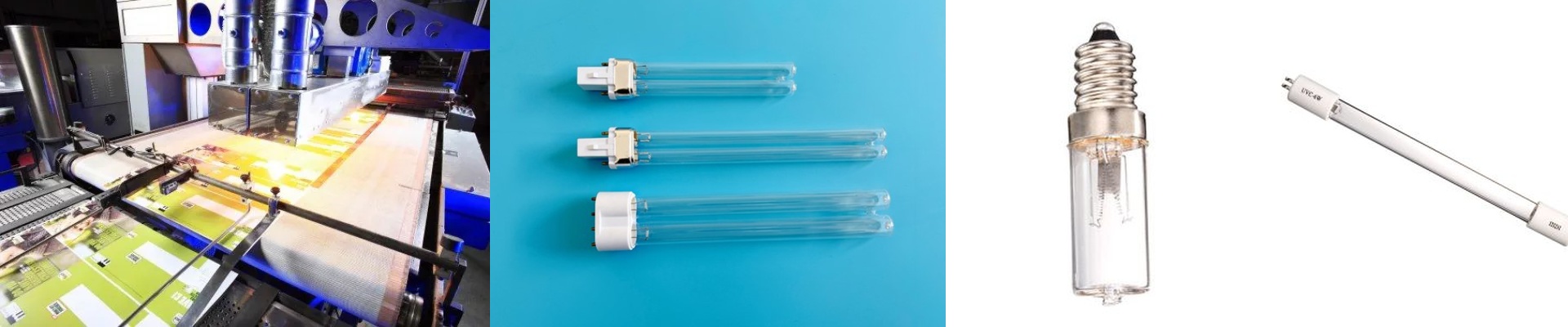
Making UV Lamps That Actually Work for Your Gear
We spent 15 years figuring this out. We started with basic white-label stuff, but we wanted more. We wanted to build UV lamps that could go toe-to-toe with the big international brands without breaking a sweat. If you’re building equipment, you know a lamp isn’t just a bulb you screw in. It’s the heartbeat of your machine. It’s what decides if your product cures in seconds or if the surface stays tacky and ruins the whole batch.
The battle between power and heat
Here is the thing: it’s a balancing act. You want high intensity, but if your power supply isn’t rock solid, you get flickering. Or worse, the lamp burns out way too early. To stop that, we use high-purity fused quartz. Why? Because cheap glass absorbs energy. That makes the lamp run hot, kills the lifespan, and wastes power. But a word of caution: if you crank up the wattage in a tiny space, you’re asking for thermal stress on the electrodes. Make sure your cooling fans or water-jackets can actually handle the heat load, or you’re just building a heater, not a curing station.
The stuff that actually matters
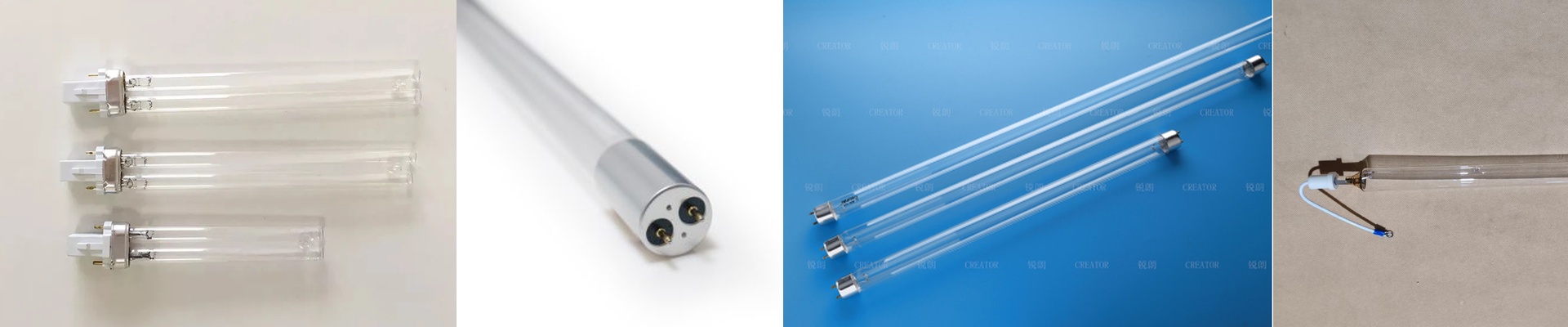
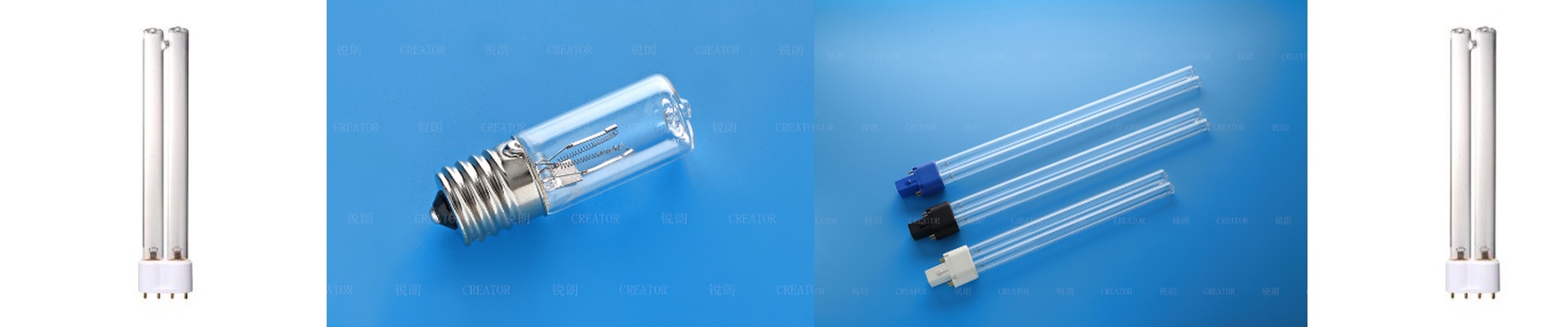
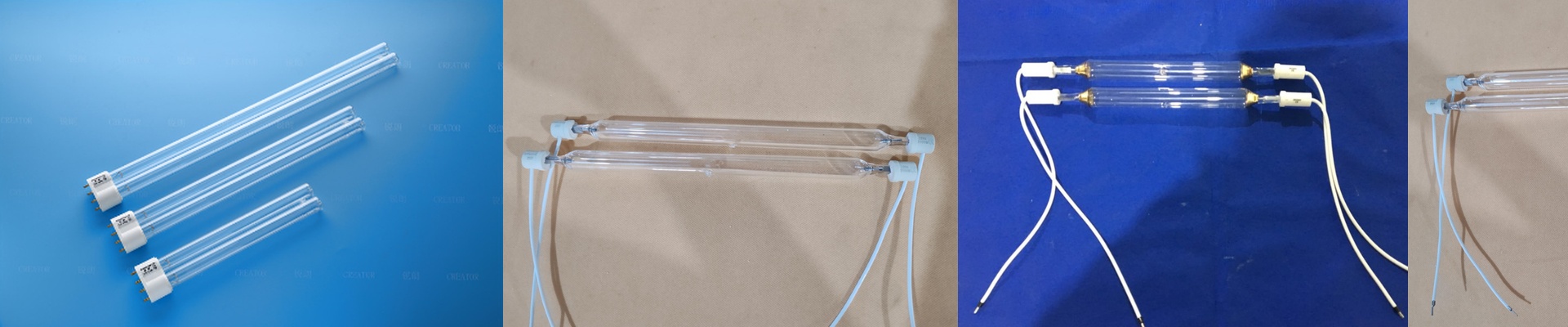
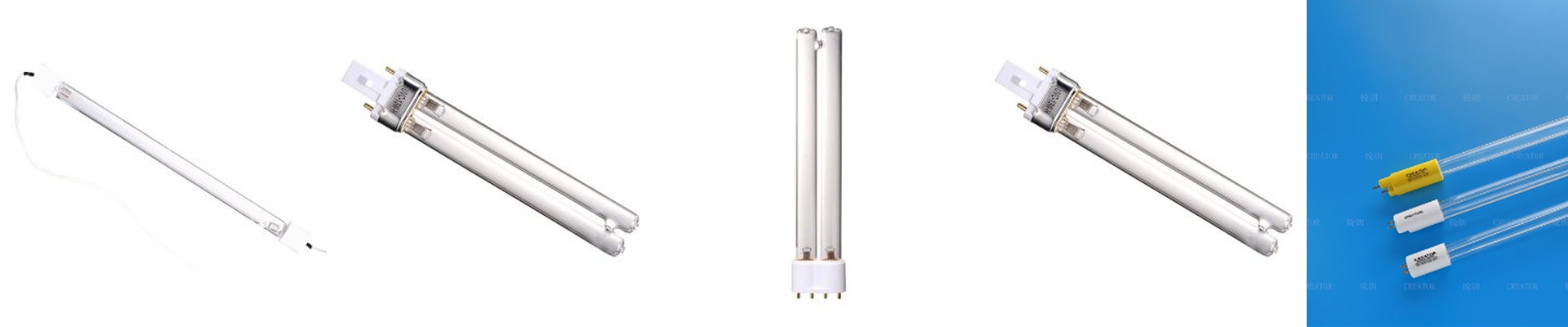
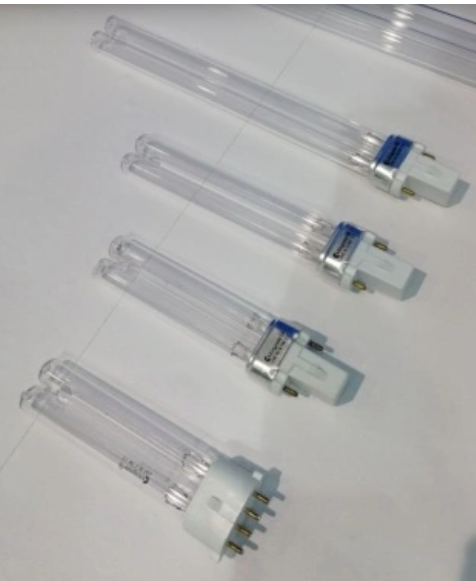
The real difference between a cheap tube and one that lasts comes down to the electrodes. We use tungsten filaments that are treated to stop evaporation. It keeps the light steady for thousands of hours. No fading. No surprises. And let’s talk about the connectors. A loose pin is a nightmare. It creates an arc, and before you know it, your ballast is fried. We keep our fits tight—whether you need a standard pin or something custom. Plus, we make sure they drop right into existing international footprints, so you don’t have to redesign your whole chassis.
Getting it right on the line
These are built for speed. Whether you’re bonding adhesives or drying coatings, the light has to be the same from one end of the tube to the other. We’ve spent a lot of time optimizing the gas fill to get rid of “dark ends.” You know those annoying gaps at the edges where the curing just… doesn’t happen? We hate those. You get a uniform field of UV. Just a heads-up: high-intensity UV is aggressive. It’ll eat through your conveyor belts and seals if you let it. Don’t forget to shield your gear, or you’ll be replacing your belts way more often than you’d like.