Getting the Most Out of Your Quartz UV and IR Lamps
When you’re buying quartz lamps in bulk, it’s easy to get tunnel vision and just chase the lowest price per unit. But here’s the thing: a cheap lamp that dies in a week is actually the most expensive part of your line. The real goal is finding that sweet spot where the cost of the parts matches how they actually perform on your floor. We handle the entire production process ourselves. Why? Because we’re tired of seeing middleman markups inflate the price without adding a shred of value to the product.
Let’s talk about heat
It all comes down to how much power you’re cramming into a specific amount of space. If you push high wattage into a short tube, you get a lot of heat, very quickly. That’s great for fast-curing lines, sure. But it puts a ton of stress on the quartz. If you push it too hard, the lamp just burns out. It’s that simple. We spend our time calibrating the filaments so you get the power you need without pushing the glass past its breaking point.
The stuff it’s made of
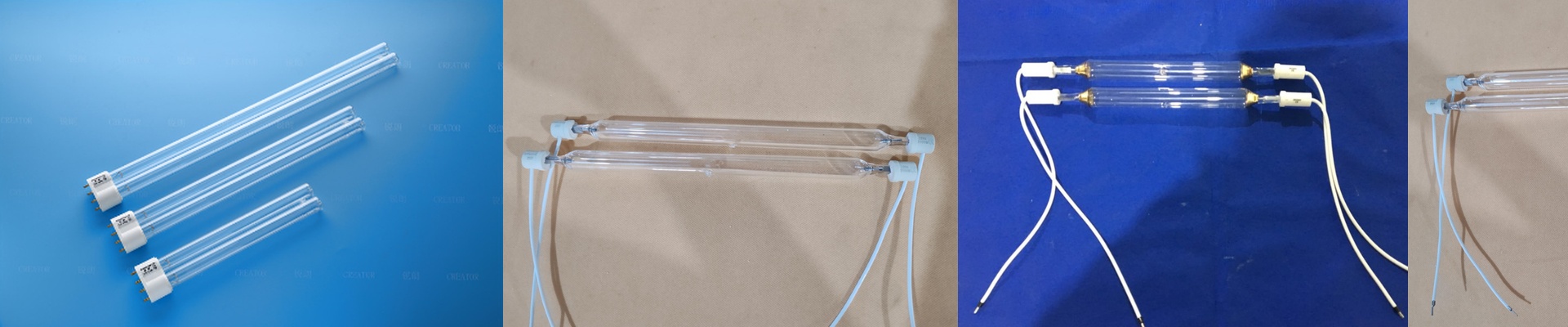
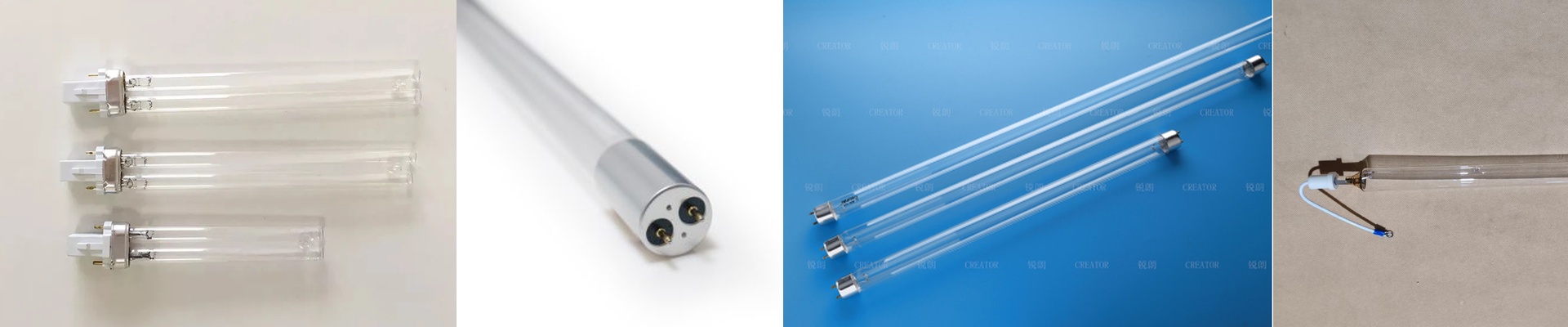
We stick with high-purity synthetic quartz. Why? Because cheap glass is a nightmare. It usually cracks or fails the second it hits operating temperature. Then there’s the connection. We use the standard R7s or Sk15 interfaces. We do this so you can swap a lamp out in seconds without a headache. Plus, a tight, secure fit means you won’t deal with electrical arcing at the contact point—which is usually where the “budget” lamps start to fail.
The trade-offs you should know about
Look, no lamp is a “set it and forget it” kind of deal. Our high-output tubes are powerful—they’ll slash your cycle times—but they’re going to dump a lot of heat into your housing. You’ve got to make sure your cooling fans or water jackets can actually keep up. If the airflow is blocked, the quartz is going to overheat. It doesn’t matter who made the lamp; physics always wins. We provide the raw power, but you’ve got to keep the environment cool to make it last.